Scarlet runner bean, tender
Phaseolus coccineus · Also known as Scarlet bean, runner bean, lal sem, rani sem, flowering bean, dolichos bean
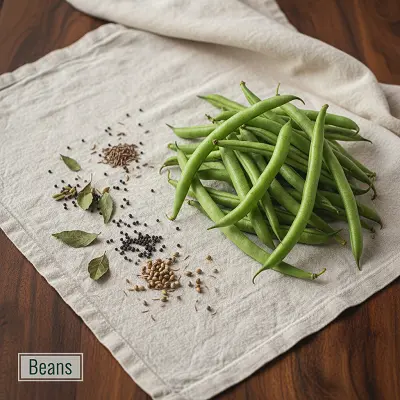
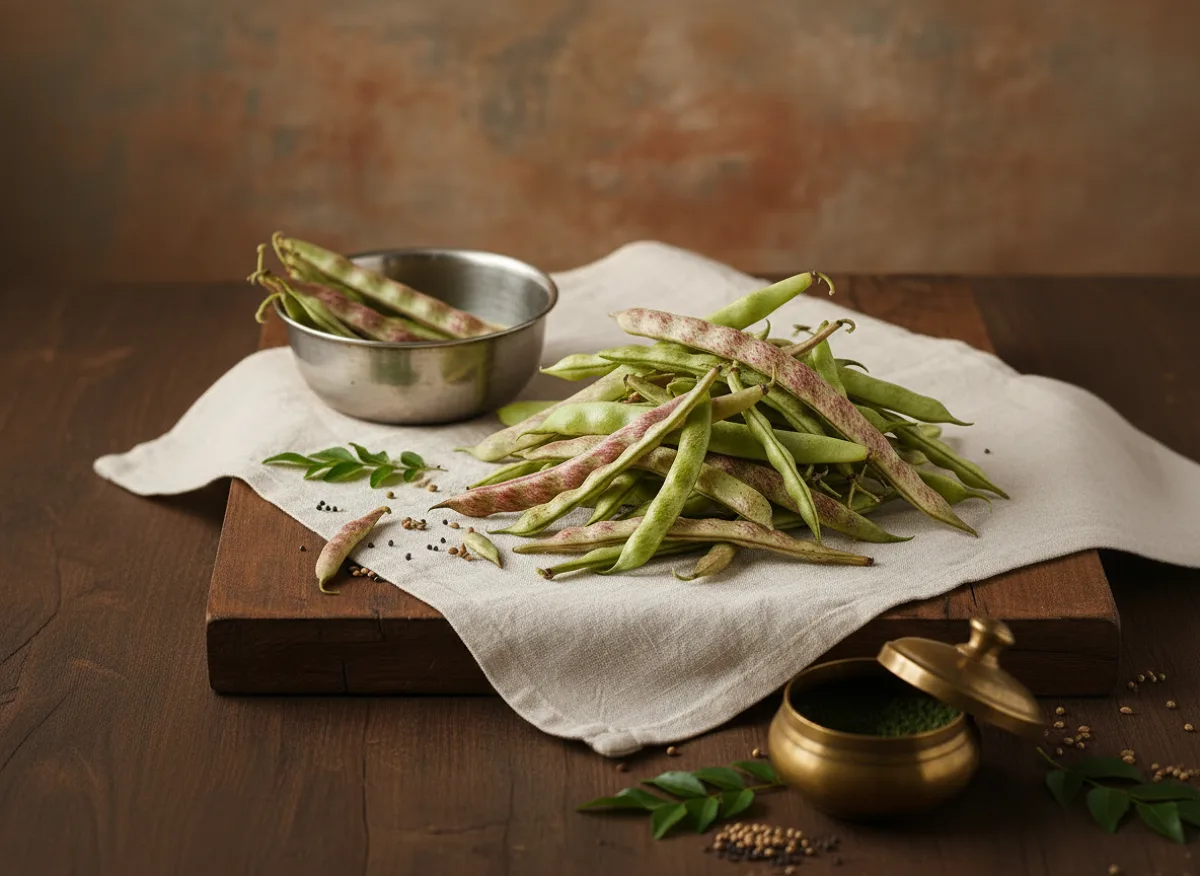
Scarlet runner bean (लाल सेम, lal sem) is a tender, slender green pod with a mild, slightly sweet flavour and delicate texture when young. Prized in Indian home kitchens for stir-fries, curries, and sambar, these beans stay crisp when cooked briefly and pair beautifully with coco...
Nutrition per 100 g
Mean values ± IFCT published SD (edible portion).
More macros
Classification
About Scarlet runner bean, tender
What it is
Scarlet runner bean (लाल सेम, lal sem) is a tender, immature green pod from the climbing runner bean plant, harvested when 4-6 inches long. The pods are slender, smooth-skinned, and bright green, with a mild, slightly sweet taste and a delicate crunch when cooked briefly. Fresh and whole, these beans are a seasonal favourite in South Indian, Maharashtrian, and North Indian home kitchens, valued for their quick cooking time and versatility in everyday curries and stir-fries. (IFCT 2017, Ref #D003)
Use in Indian Kitchen
Tender runner beans shine in sambar, where they absorb the tamarind and spice base beautifully, and in South Indian kootu - a coconut-based vegetable curry. In Maharashtra and Gujarat, they are pan-fried with onions and minimal spice, or added to mixed vegetable curries (sabzi). North Indian cooks often include them in quick dry stir-fries (tadka) with mustard seeds, curry leaves, and a pinch of turmeric. A practical tip: slice them diagonally or into 2-inch pieces and cook on high heat for just 5-7 minutes to retain their crunch and bright colour; overcooking turns them mushy and dull.
Key Nutrients
Tender runner beans are a source of dietary fibre, vitamin C, and folate. They also contain small amounts of iron, calcium, and plant-based protein. Exact nutrient composition varies with harvest maturity and growing conditions; refer to IFCT 2017 for detailed micronutrient profiles.
Health Benefits (Evidence-based)
- High in dietary fibre, which may support digestive health and regular bowel function.
- Contains vitamin C, linked to immune support and collagen formation in connective tissue.
- Folate content may help with cell division and DNA synthesis, particularly important during pregnancy.
- Low glycaemic index when cooked, may help maintain steady blood sugar levels.
- Plant-based protein and fibre combination may contribute to satiety and stable energy.
Culinary Uses (Vegetarian)
- Sambar - a South Indian tamarind and lentil-based vegetable stew.
- Kootu - a coconut-based curry with lentils and vegetables.
- Dry stir-fry (tadka) with mustard seeds, curry leaves, and turmeric.
- Mixed vegetable curries (sabzi) with onions, tomatoes, and ginger-garlic.
- Quick pan-fried side dish with minimal seasoning.
- Pickle or preserved in oil and spices for longer shelf life.
Caution
- Raw or undercooked runner beans contain small amounts of phytohaemagglutinin, a lectin that can cause mild digestive upset; always cook thoroughly.
- Individuals with a history of kidney stones may wish to moderate intake, as beans contain oxalates.
- Those on blood-thinning medications should maintain consistent intake, as vitamin K in green vegetables can interact with anticoagulants.
References
- Indian Council of Medical Research - National Institute of Nutrition (ICMR-NIN). Indian Food Composition Tables (IFCT) 2017. Reference #D003 (Other Vegetables category).
- Gopalan, C., Rama Sastri, B. V., & Balasubramanian, S. C. (2007). Nutritive Value of Indian Foods. National Institute of Nutrition, ICMR, Hyderabad.
Sourcing & Storage
Storage
Store fresh tender runner beans in a breathable cloth bag or perforated plastic bag in the refrigerator crisper drawer at 4-7°C. Keep them away from ethylene-producing fruits (apples, bananas) which can accelerate yellowing. In warm Indian climates, use the coldest part of your fridge and check daily for moisture buildup; wipe dry if condensation forms. Do not wash before storage; wash only just before cooking.
Shelf Life
Fresh tender runner beans keep for 3-5 days in the refrigerator when stored properly. Once cooked, they last 2-3 days in an airtight container in the fridge. For longer storage, blanch and freeze in airtight bags for up to 3 months, or pickle in oil and spices for several weeks at room temperature in a sealed jar.
Check Before You Buy
Choose pods that are bright green, firm, and snap cleanly when bent - a sign of youth and tenderness. Avoid yellowing, wilted, or overly thick pods, which indicate age and toughness. Check for blemishes, dark spots, or soft patches that suggest decay or pest damage. At the mandi or kirana, feel the pod gently; it should be crisp and smooth, not limp or wrinkled. If buying pre-packed, ensure the packet is cool and the beans are not compressed or discoloured.
In Ayurveda
No well-documented classical Ayurvedic entry exists for scarlet runner beans. However, in contemporary Ayurvedic practice, tender legume vegetables like this are generally considered light and easy to digest, potentially supporting balanced digestion and vata equilibrium when prepared with warming spices.