Beans
Vicia faba · Also known as फलियां, phaliyaan
Beans (फलियां, phaliyaan) are legume pods eaten fresh or dried, staple across Indian kitchens for their protein, fibre, and versatility. Common varieties include green beans, kidney beans, and chickpeas, used in curries, stir-fries, and dal preparations (IFCT 2017, category D - O...
Nutrition per 100 g
Edible portion values from the master catalog.
More macros
Classification
About Beans
What it is
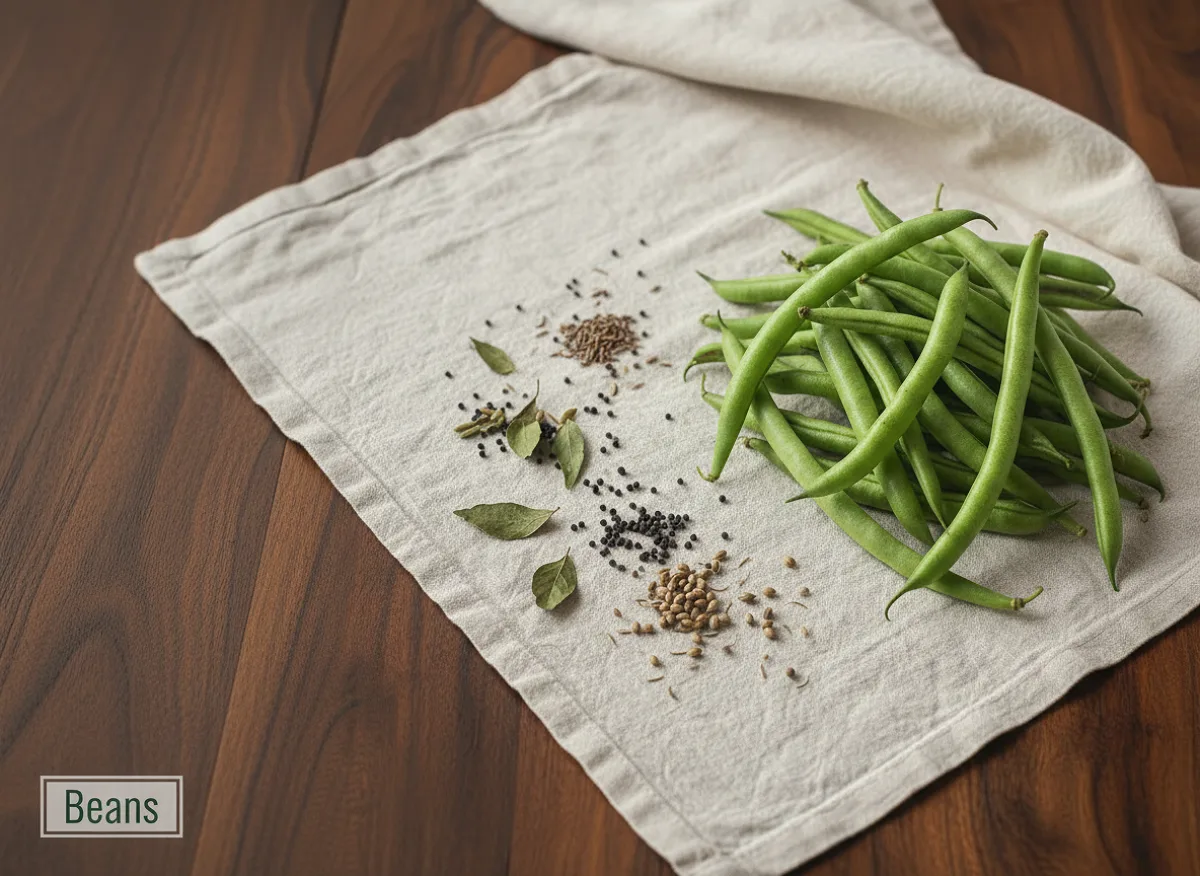
Beans are the edible pods or seeds of legume plants, harvested at various stages of maturity. Fresh green beans (string beans, French beans) are eaten whole when tender; dried beans are soaked and cooked into soft, creamy preparations. India grows and consumes dozens of varieties - from the delicate long beans of South India to the robust kidney beans of North Indian kitchens. Beans are classified under IFCT 2017 as Other Vegetables (category D, Ref #D047) and are a cornerstone of vegetarian Indian nutrition.
Use in Indian Kitchen
Beans hold different roles across regions. In South India, long beans (yard-long beans) are stir-fried with coconut and mustard seeds, or added to sambar. North Indian homes favour kidney beans in rajma - a beloved comfort curry served with rice or roti, especially in Punjab and Himachal Pradesh. Green beans appear in everyday sabzi across all regions, often tempered with cumin, garlic, and a pinch of turmeric. In Bengali kitchens, beans are cooked with potatoes and spices; in Gujarati homes, they feature in mixed vegetable curries. Dried beans are soaked overnight and slow-cooked into dal-like preparations, making them economical protein for large families. Beans are eaten year-round but peak during monsoon and winter harvests.
Key Nutrients
Beans are rich in plant-based protein, dietary fibre, and complex carbohydrates. They contain B vitamins (folate, thiamine), minerals including iron, magnesium, and potassium, and polyphenols with antioxidant properties. Exact nutrient composition varies by variety and maturity stage; refer to IFCT 2017 for specific values by bean type.
Health Benefits (Evidence-based)
- May support digestive health through high soluble and insoluble fibre content, promoting regular bowel function and feeding beneficial gut bacteria.
- Linked to steady blood sugar levels due to low glycaemic index and resistant starch, particularly in dried beans.
- Plant-based protein source suitable for vegetarian and vegan diets, supporting muscle maintenance and repair.
- Polyphenols and other phytonutrients may help reduce inflammation and oxidative stress in the body.
- Iron and folate content supports red blood cell formation and may help prevent anaemia, especially when paired with vitamin C sources like tomato or lemon.
- May contribute to heart health through fibre, potassium, and compounds that support healthy cholesterol levels.
Culinary Uses (Vegetarian)
- Fresh green beans: stir-fried with coconut and mustard seeds (South Indian style), added to mixed vegetable curries, or simply sautéed with garlic and cumin.
- Long beans: featured in sambar, or cooked with potatoes and onions in a dry sabzi.
- Dried beans (kidney, black-eyed, chickpeas): slow-cooked into rajma, added to mixed dal preparations, or mashed into fritters and patties.
- Beans pair well with rice, roti, and other grains, and combine beautifully with tomato, coconut, ginger, garlic, and warm spices like cumin and coriander.
Caution
- Raw or undercooked dried beans contain lectins and other compounds that may cause digestive discomfort; always soak overnight and boil thoroughly until soft.
- High fibre content may cause bloating or gas in people unaccustomed to beans; introduce gradually and drink plenty of water.
- Those with kidney disease or on certain medications should consult a healthcare provider, as beans are high in potassium and purines.
- Canned beans may contain added sodium; rinse well or choose low-sodium varieties.
References
- Indian Council of Medical Research - National Institute of Nutrition (ICMR-NIN). Indian Food Composition Tables 2017. Category D - Other Vegetables, Ref #D047.
- Vaya, J. & Mahmood, S. (2006). Polyphenol content in legume grains and the effect of processing on their phenolic composition and biological properties. Journal of Medicinal Food, 9(3), 413-421.
Health Benefits
- Provides Energy
- Supports Digestion
- Boosts Immunity
- Heart Health Support
- Supports Muscle Health
Sourcing & Storage
Storage
Fresh green beans: Store in a breathable bag or container in the refrigerator crisper drawer, away from ethylene-producing fruits. Keep in a cool, dry place if using within 1-2 days; for longer storage, blanch and freeze in airtight containers. Dried beans: Store in airtight glass jars or containers in a cool, dark, dry cupboard away from direct sunlight, moisture, and strong odours. Keep away from pests by sealing tightly. Do not store near spices or strong-smelling foods, as beans absorb odours easily.
Shelf Life
Fresh green beans: 4-7 days in the refrigerator when stored properly; up to 8-12 months when blanched and frozen. Dried beans: 1-2 years in airtight storage at room temperature, though they cook best within the first year. After opening a packet, transfer to an airtight container to maintain freshness and prevent moisture absorption.
Check Before You Buy
Fresh beans: Look for bright, vibrant colour (deep green for most varieties) and firm, crisp pods that snap cleanly when bent. Avoid beans that are limp, yellowed, bruised, or have brown spots or blemishes. Pods should feel heavy for their size, indicating good moisture content. Buy from trusted vendors at the mandi or kirana store, and choose beans that smell fresh and earthy, not musty or stale.
Dried beans: Check for uniform colour and size, and ensure beans are whole and unbroken. Avoid beans with visible cracks, discolouration, or signs of insect damage. If buying from bulk bins, verify the vendor's turnover and storage practices. Packaged beans should have a clear date and be stored in sealed, moisture-proof packaging. Reject any beans that smell off or show signs of mould or moisture inside the packet.
In Ayurveda
0