Knol-khol
Brassica oleracea · Also known as Kohlrabi, Oolkobi, Olkopi, Wild cabbage, Nol-kol, Kohl-rabi, Noolkol, Monjh haak, Phan kubi, Kobi Maru Kabi, Gyathkopi, Ulkobi, Ganth gobi
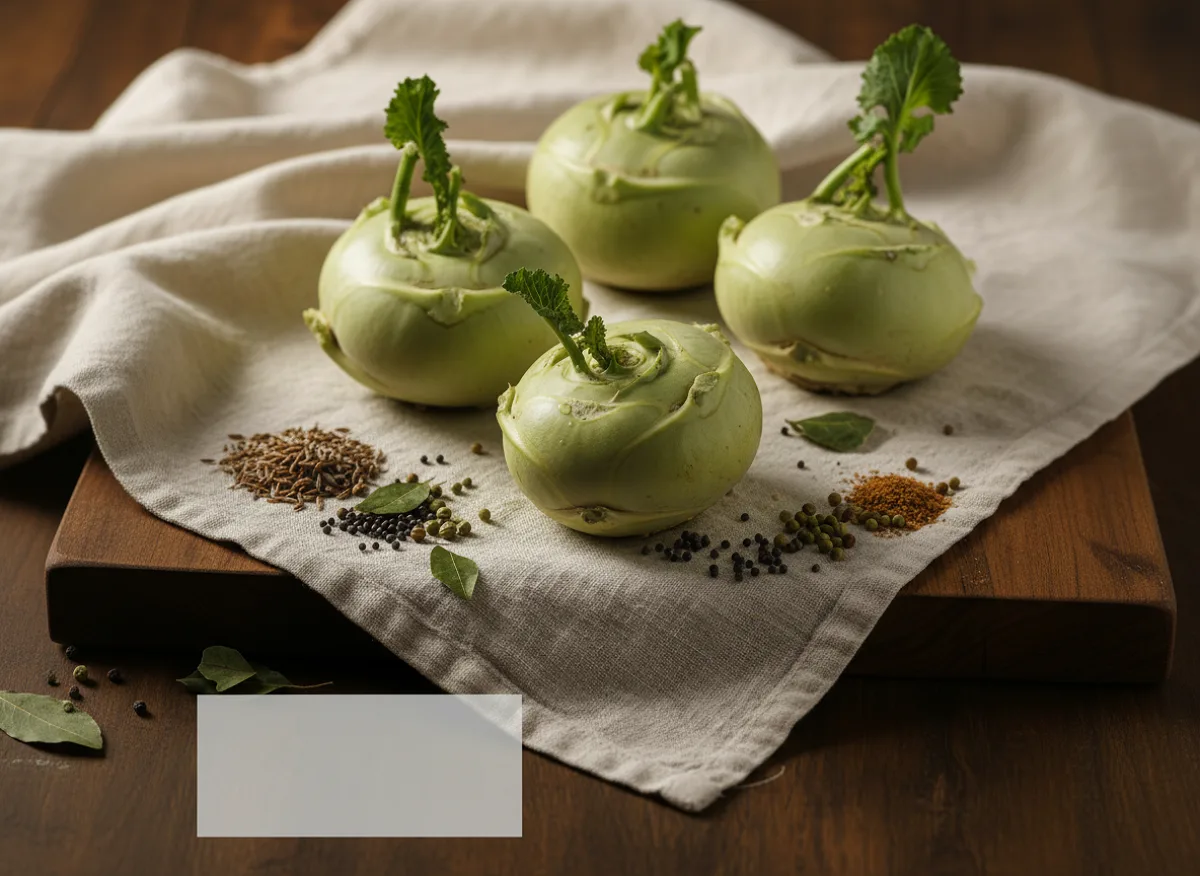
Knol-khol (ओलकोपी, olkopi) is a pale green or purple bulbous stem vegetable with a mild, slightly sweet flavour and tender, crisp texture when young. The swollen stem sits just above the soil, crowned with leafy stalks that are also edible. Popular across Indian kitchens for stir...
Nutrition per 100 g
Mean values ± IFCT published SD (edible portion).
More macros
Classification
About Knol-khol
What it is
Knol-khol, also called kohlrabi or oolkobi in regional Indian markets, is a member of the cabbage family (Brassica oleracea) that grows as a swollen, bulbous stem just above the ground. The bulb ranges from pale green to deep purple, with a smooth or slightly ridged skin and tender, juicy white or pale green flesh inside. Young knol-khol has a mild, slightly sweet taste and a pleasant crunch, making it a favourite in home kitchens across North India, Bengal, and parts of South India. The leafy stalks attached to the bulb are equally edible and nutritious. (IFCT 2017, Ref #D053)
Use in Indian Kitchen
Knol-khol is versatile and appears in many regional preparations. In North Indian homes, it is commonly sliced thin and stir-fried with mustard seeds, cumin, and green chilli - a simple tadka that brings out its natural sweetness. In Bengal, it features in mixed vegetable curries and is sometimes stuffed with spiced besan paste. South Indian cooks add diced knol-khol to sambar and vegetable kootu, where it absorbs the flavours of tamarind and coconut beautifully. The tender leaves can be cooked separately as a leafy green sabzi or added to dal. A practical tip: peel away the tough outer skin generously before cooking, as the inner flesh is where the delicate flavour and texture shine. Young bulbs need minimal cooking time to stay crisp.
Key Nutrients
Knol-khol is low in calories and rich in dietary fibre, vitamin C, and potassium. It also contains folate, manganese, and small amounts of B vitamins. The leafy stalks are particularly nutrient-dense, offering additional iron and calcium. Exact nutrient composition is documented in IFCT 2017 (Ref #D053).
Health Benefits (Evidence-based)
- High in vitamin C, which supports immune function and collagen formation.
- Good source of dietary fibre, linked to digestive health and stable blood sugar.
- Contains compounds typical of the Brassica family, traditionally associated with antioxidant activity.
- Low glycaemic index, making it suitable for balanced meals.
- Potassium content may support heart health as part of a balanced diet.
Culinary Uses (Vegetarian)
- Stir-fried with mustard seeds, cumin, and green chilli (North Indian style).
- Diced into sambar and vegetable kootu (South Indian curries).
- Sliced thin for crispy pan-fried rounds, seasoned with turmeric and salt.
- Stuffed with spiced besan and onion filling, then steamed or shallow-fried.
- Pickled with mustard seeds and fenugreek for long-term storage.
- Leaves cooked as a simple leafy green sabzi with garlic and ginger.
- Added to mixed vegetable curries and dal preparations.
Caution
Knol-khol is generally safe for all ages. Those with thyroid conditions who consume large quantities of raw Brassica vegetables regularly should be aware that these vegetables contain goitrogens, though cooking inactivates most of these compounds. People on blood-thinning medications should maintain consistent intake, as the vitamin K content is moderate. Always wash thoroughly before use.
References
- Indian Council of Medical Research - National Institute of Nutrition (ICMR-NIN). Indian Food Composition Tables (IFCT 2017). Reference #D053 (Other Vegetables category).
- Gopalan, C., Rama Sastri, B. V., & Balasubramanian, S. C. (2007). Nutritive Value of Indian Foods. National Institute of Nutrition, ICMR, Hyderabad.
Sourcing & Storage
Storage
Store knol-khol in the refrigerator's vegetable compartment, ideally in a perforated plastic bag or paper bag to allow air circulation and prevent moisture buildup. Keep away from ethylene-producing fruits like apples and bananas. In warm Indian climates, use the coldest part of your fridge. Remove any yellowing or damaged outer leaves before storage. The leafy stalks, if attached, can be separated and stored in a damp cloth for use within 2-3 days, or kept with the bulb for shorter periods.
Shelf Life
Fresh knol-khol bulbs keep for 7-10 days in the refrigerator when stored properly. Young, tender bulbs are best used within 5-7 days for optimal crispness and flavour. Once cut or peeled, use within 2-3 days. The leafy stalks wilt faster and should be used within 2-3 days of purchase. Knol-khol does not freeze well due to its high water content, though blanched and frozen pieces may be used in cooked dishes within 2-3 months.
Check Before You Buy
Choose firm, unblemished bulbs that feel heavy for their size - a sign of good moisture and tenderness inside. The skin should be smooth and free of soft spots, cracks, or blemishes. Pale green or light purple bulbs are typically younger and more tender than very large or deeply coloured ones. Avoid bulbs that feel hollow or have a woody appearance. If buying from a mandi or kirana store, ask the vendor to cut one open if you are unsure; the flesh should be pale, juicy, and white or pale green, never fibrous or discoloured. Packaged knol-khol should have no visible mould or slime. The leafy stalks, if present, should look fresh and green, not yellowed or wilted.
In Ayurveda
In classical Ayurvedic texts, kohlrabi (नोल-कोल) is not extensively documented as a standalone ingredient. However, as a member of the Brassica family, it shares properties with other cruciferous vegetables traditionally used in Indian home medicine. It is considered light (laghu), easy to digest, and cooling in nature, making it suitable for balancing excess Pitta in warm seasons.
The leafy greens are traditionally used in regional folk remedies for digestive support and general wellness. In North Indian and Bengali home kitchens, it has been a seasonal winter vegetable valued for its mild, nourishing qualities rather than strong medicinal action.