Green Apple
Malus domestica · Also known as Hara seb, Granny Smith apple, green dessert apple
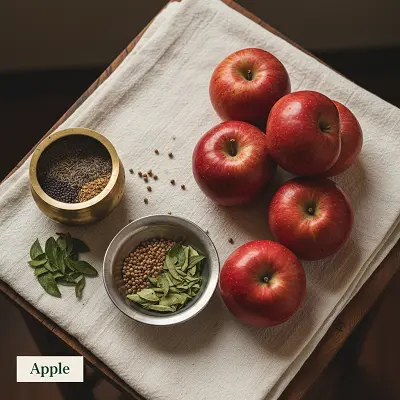
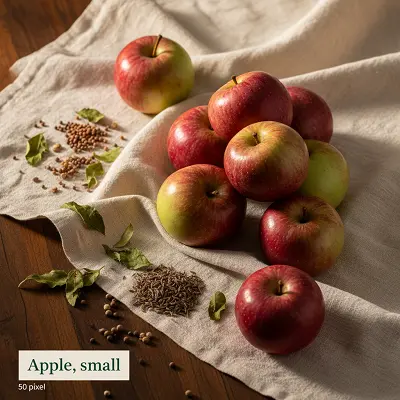
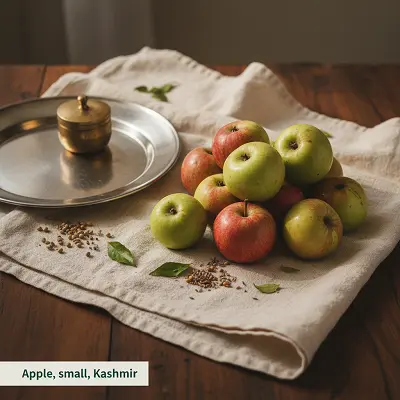
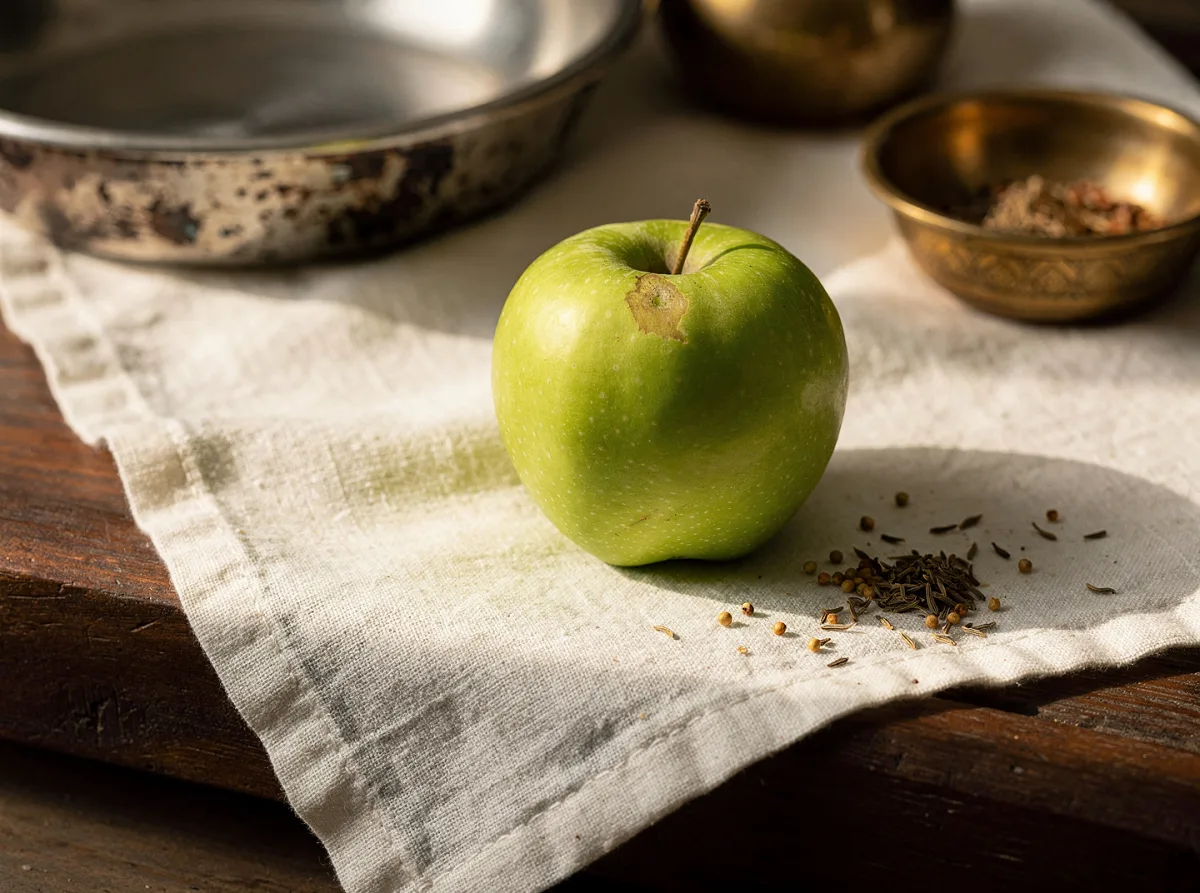
Green apple (हरा सेब, hara seb) is a crisp, tart fruit with smooth pale-green skin and firm, juicy flesh. Sharper and less sweet than red apples, it holds its shape well when cooked, making it ideal for chutneys, salads, and stewed preparations. A refreshing addition to Indian ki...
Nutrition per 100 g
Mean values ± IFCT published SD (edible portion).
More macros
Classification
About Green Apple
What it is
Green apple (हरा सेब, hara seb) is a medium-sized round fruit with smooth, pale-green skin and crisp, pale-yellow flesh. Its distinctive tart, slightly tangy flavour sets it apart from sweeter red varieties, and its firm texture means it resists browning and mushiness when sliced or cooked. Fresh green apples are available year-round in Indian markets, though peak season is autumn and winter. (IFCT 2017, Ref #E002)
Use in Indian Kitchen
Green apples feature in North Indian fruit chutneys (often paired with ginger, green chilli, and jaggery), fresh fruit salads, and as a souring agent in some regional preparations. The tartness complements sweet and spiced dishes - try thin slices in raita with cumin and mint, or stewed with a touch of cardamom and jaggery as a light dessert. In some households, grated green apple is added to vegetable fritters (pakora) batter for a subtle tang. A practical tip: if using raw in salads, toss immediately with lemon juice to prevent browning and to enhance the crisp texture.
Key Nutrients
Green apples are a source of dietary fibre (mainly in the skin), vitamin C, and small amounts of potassium and B vitamins. They are low in calories and contain natural sugars and polyphenols. Exact nutrient composition is documented in IFCT 2017.
Health Benefits (Evidence-based)
- High in dietary fibre, which may support digestive health and satiety.
- Vitamin C content supports immune function and skin health.
- Low glycaemic index compared to many fruits, making it a gentler choice for blood sugar management.
- Polyphenols and antioxidants may help reduce oxidative stress in the body.
- Hydrating fruit (high water content) that aids fluid balance, especially useful in warm Indian climates.
Culinary Uses (Vegetarian)
- Fresh sliced in fruit salads, raita, and yoghurt-based sides.
- Grated or finely chopped in vegetable fritter batters and pakora.
- Stewed with jaggery, cardamom, and ghee as a light kheer or dessert.
- Blended into fresh juices, smoothies, and cooling summer drinks (nimbu pani style).
- Cooked into chutneys with ginger, green chilli, and spices for a tangy condiment.
- Thin slices in vegetable and paneer salads for crunch and tartness.
Caution
- Those with fructose intolerance or IBS triggered by high-FODMAP fruits should consume in moderation.
- Pesticide residues may be present on non-organic apples; wash thoroughly under running water before eating.
- The skin contains most of the fibre and polyphenols; peeling removes these benefits, though some prefer peeled apples for smoother chutneys or desserts.
References
- Indian Council of Medical Research - National Institute of Nutrition (ICMR-NIN). Indian Food Composition Tables (IFCT 2017). Reference #E002 (Fruits category).
- Vaya, J. & Mahmood, S. (2006). Flavonoid content in leaf extracts of the fig (Ficus carrica L.), carob (Ceratonia siliqua L.) and locust bean (Ceratonia siliqua L.) trees. Journal of Agricultural and Food Chemistry, 54(20), 7651-7654. [General polyphenol and antioxidant reference for common fruits.]
Health Benefits
- Supports Digestion
- Boosts Immunity
- Weight Management Support
- Heart Health Support
Sourcing & Storage
Storage
Store green apples in the refrigerator (ideally 2-4°C) in the crisper drawer or a perforated plastic bag to maintain humidity and prevent moisture loss. Keep them away from direct light and strong-smelling foods, as apples absorb odours easily. In warm Indian climates without reliable refrigeration, store in a cool, dark, well-ventilated place (such as a clay pot or mesh bag in a pantry) for shorter periods. Do not wash apples before storage; wash only when ready to eat.
Shelf Life
Whole, uncut green apples keep for 2-3 weeks in the refrigerator and up to 1 week at room temperature in cool weather. Once cut or sliced, use within 1-2 days; store cut pieces in an airtight container in the fridge, preferably tossed with a little lemon juice to prevent browning. Apples do not freeze well whole, but can be sliced, blanched, and frozen for up to 8 months if you plan to use them in cooked dishes like chutneys or stewed preparations.
Check Before You Buy
Choose firm, unblemished green apples with smooth skin and no soft spots or bruises. The fruit should feel heavy for its size (a sign of good juice content) and yield only slightly to gentle pressure. Avoid apples with wrinkled skin, dark patches, or visible mould. At the mandi or kirana shop, ask for locally grown or well-stored varieties; imported apples may have been treated with wax or preservatives - check the label if buying packaged fruit. A fresh, slightly sweet-tart aroma near the stem is a good sign of ripeness and flavour.
In Ayurveda
In classical Ayurvedic texts, apples (seb) are recognized as a cooling, slightly astringent fruit with a sweet and sour taste (rasa). They are considered to have a light, dry quality (guna) and are believed to support digestion and balance Pitta dosha when consumed in moderation. Green apples, being more sour, are traditionally thought to kindle digestive fire (agni) and aid in the elimination of toxins.