Gourd
Momordica charantia · Also known as Bottle gourd, लौकी (laukee), लौकी (lauki), ash gourd, white gourd, calabash
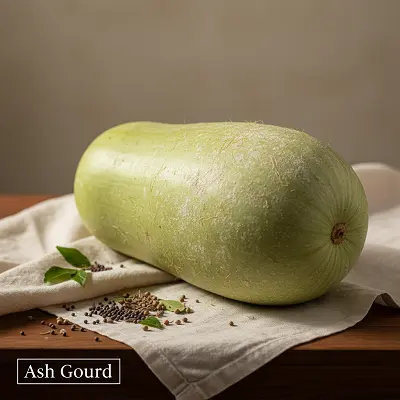
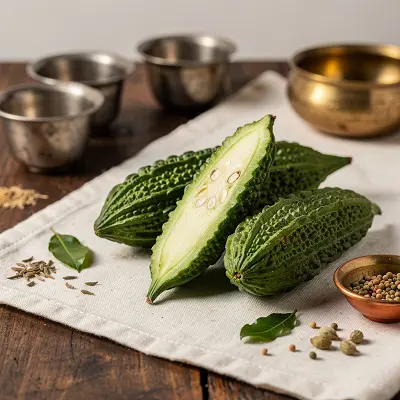
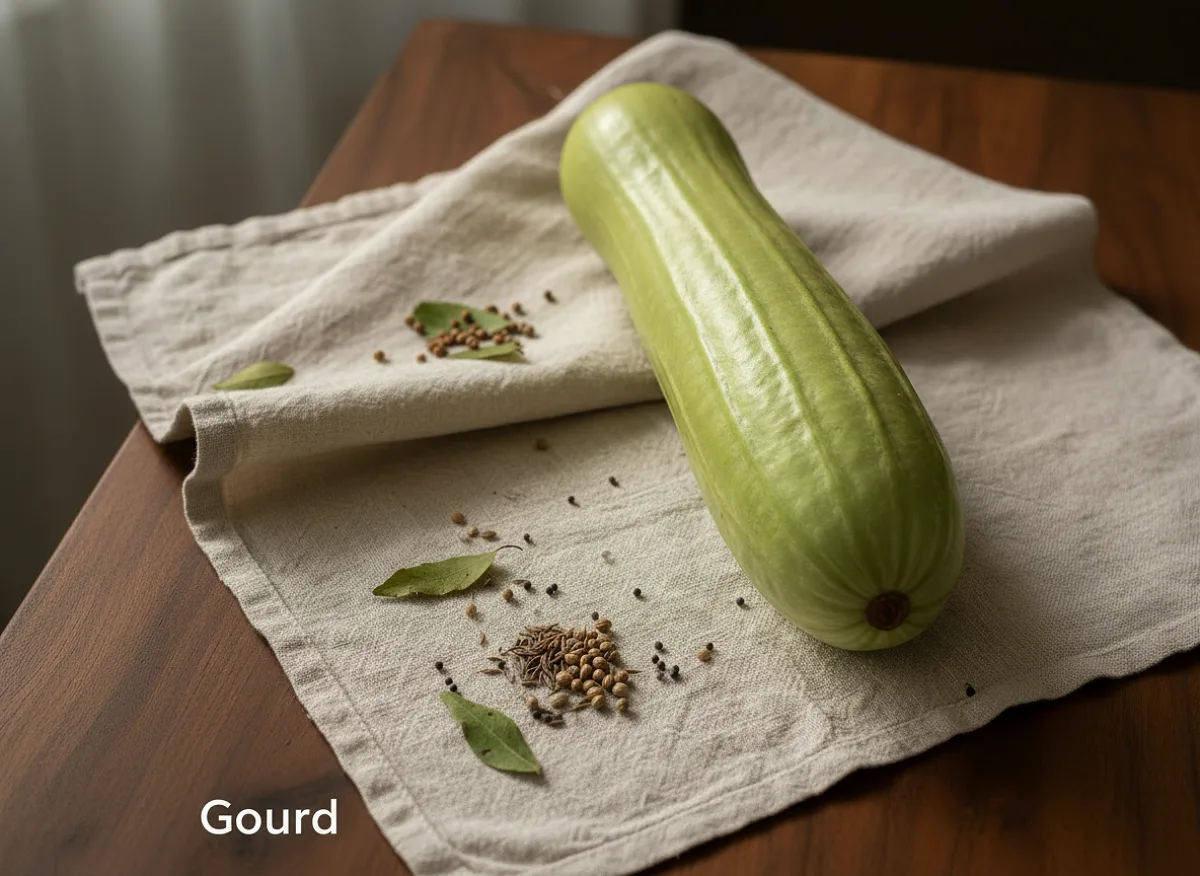
Bottle gourd (लौकी, laukee) is a mild, watery vegetable with pale green or cream skin and soft white flesh inside. Fresh and cooling, it's a monsoon and summer staple across Indian kitchens. Slice it for laukee ki sabzi, stuff it whole for bharwan laukee, or simmer it into laukee...
Nutrition per 100 g
Edible portion values from the master catalog.
More macros
Classification
About Gourd
What it is
Bottle gourd (लौकी, laukee) is a pale green or cream-coloured, elongated vegetable with thin, smooth skin and tender white flesh. It is one of the lightest and most hydrating vegetables in the Indian pantry, prized for its delicate, almost neutral flavour and cooling nature. Eaten fresh and whole when young and tender, it is a year-round staple but especially cherished during the monsoon and summer months. (IFCT 2017, Ref #D006)
Use in Indian Kitchen
Bottle gourd is wonderfully versatile. In North India, it is sliced and pan-fried with cumin seeds and ginger to make laukee ki sabzi, or stuffed whole with a spiced besan-onion filling for bharwan laukee. In the South, it appears in kootu curries and sambar. The flesh is also grated and simmered with milk and jaggery to make laukee ka halwa, a light, creamy dessert. A practical tip: peel and deseed the gourd, then cut into rounds or cubes; if it feels watery, a light salt and turmeric rub before cooking helps it hold its shape and flavour.
Key Nutrients
Bottle gourd is predominantly water (around 96%), making it very low in calories. It contains small amounts of vitamin C, dietary fibre, and minerals including potassium and manganese. Exact nutrient composition is documented in IFCT 2017.
Health Benefits (Evidence-based)
- May support hydration and gentle digestion due to its high water and fibre content.
- Linked to heart health through its potassium content and low sodium profile.
- Traditionally used in Ayurvedic practice as a cooling, pitta-balancing vegetable.
- May help maintain healthy blood sugar levels when part of a balanced diet.
- Light and easy to digest, often recommended in convalescent and light meal plans.
Culinary Uses (Vegetarian)
- Sliced and pan-fried with cumin, ginger, and green chilli for everyday sabzi.
- Stuffed whole with spiced besan and onion filling, then steamed or baked.
- Cubed and added to sambar, kootu, and vegetable curries.
- Grated and simmered with milk, jaggery, and cardamom for halwa.
- Peeled, cubed, and added to khichdi for a light, nourishing one-pot meal.
- Pickled or preserved as achaar for year-round use.
Caution
- Bottle gourd is generally very safe; however, wild or ornamental varieties can be toxic and should never be eaten. Always buy from trusted vendors.
- Those with very weak digestion or recovering from illness should eat it cooked and soft, not raw.
- If stored too long or in warm, damp conditions, it may develop mould or rot; discard any soft, discoloured, or musty-smelling pieces.
References
- Indian Council of Medical Research - National Institute of Nutrition (ICMR-NIN). Indian Food Composition Tables (IFCT 2017). Reference #D006 (Other Vegetables category).
- Gopalan, C., Rama Sastri, B. V., & Balasubramanian, S. C. (2007). Nutritive Value of Indian Foods. National Institute of Nutrition, ICMR, Hyderabad.
Health Benefits
- Hydration
- Supports Digestion
- Detox Support
- Weight Management Support
- Heart Health Support
Sourcing & Storage
Storage
Store bottle gourd in a cool, dry place away from direct sunlight - a pantry shelf or cool corner of the kitchen is ideal. If the weather is very warm and humid, place it in the vegetable drawer of the refrigerator, where it will keep longer. Do not wrap it tightly in plastic; allow air to circulate around it to prevent moisture buildup and mould. Keep it away from ripening fruits like bananas and apples, which release ethylene gas and speed up spoilage.
Shelf Life
A whole, uncut bottle gourd keeps for 1 to 2 weeks at room temperature in cool, dry conditions, and up to 3 to 4 weeks in the refrigerator. Once cut, wrap the unused portion in a damp cloth or place it in an airtight container in the fridge and use within 2 to 3 days. Cooked bottle gourd curry or halwa will keep refrigerated for 2 to 3 days in a covered container.
Check Before You Buy
Choose a bottle gourd that feels firm and heavy for its size, with unblemished, pale green or cream-coloured skin. Avoid any with soft spots, cracks, or dark patches, which indicate rot or age. The skin should be smooth and waxy to the touch. If buying from a mandi or kirana store, gently press the sides - a good gourd will not yield easily. Avoid very large, overgrown specimens, which tend to have thick, fibrous flesh and large seeds; medium-sized gourds (about 30-40 cm long) are usually the most tender and flavourful.
In Ayurveda
In Ayurveda, bottle gourd (लौकी) is classified as a cooling (शीतल) vegetable with a naturally balancing effect on Pitta dosha. Its light, easily digestible nature makes it a traditional choice for summer wellness and digestive support. Classical texts and home remedy traditions recommend it cooked with ghee or oil to support overall vitality and calm excess heat in the body.