Gogu leaves, green
Hibiscus cannabinus · Also known as Tengamora, Mestapat, Roselle Leaves, Ambadi, Pitwa, Pundi, Pulichai cheera, Pulichchai keerai, Gongura, Ambada ki bhaji
Gogu leaves (also called Ambadi, Gongura, or Pulichai cheera) are tender, heart-shaped green leaves with a pleasantly tart, slightly tangy flavour. Fresh and vibrant, they are a beloved souring agent in South Indian curries, sambar, and rasam, as well as in regional stir-fries an...
Nutrition per 100 g
Mean values ± IFCT published SD (edible portion).
More macros
Classification
About Gogu leaves, green
What it is
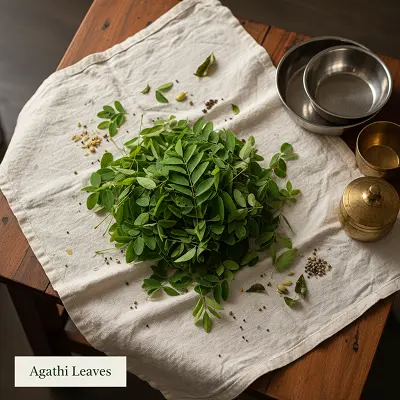
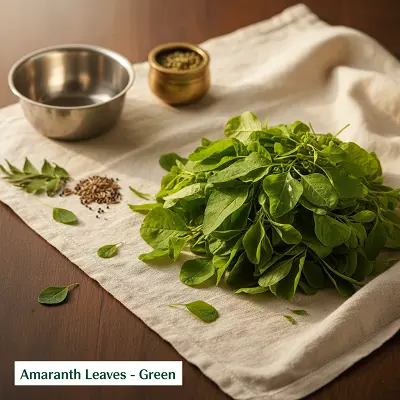
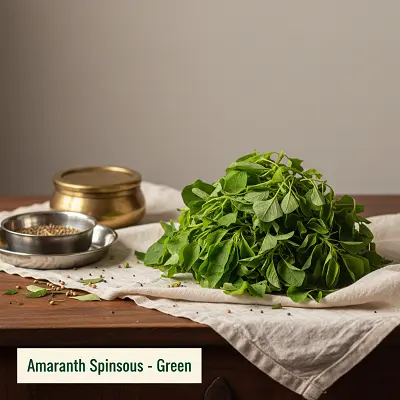
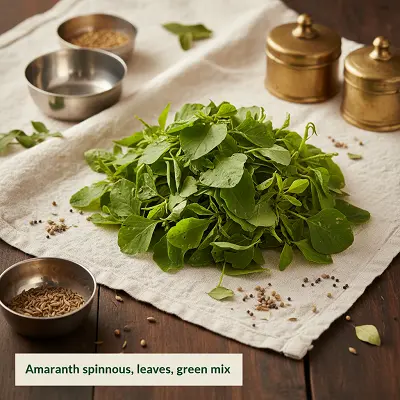
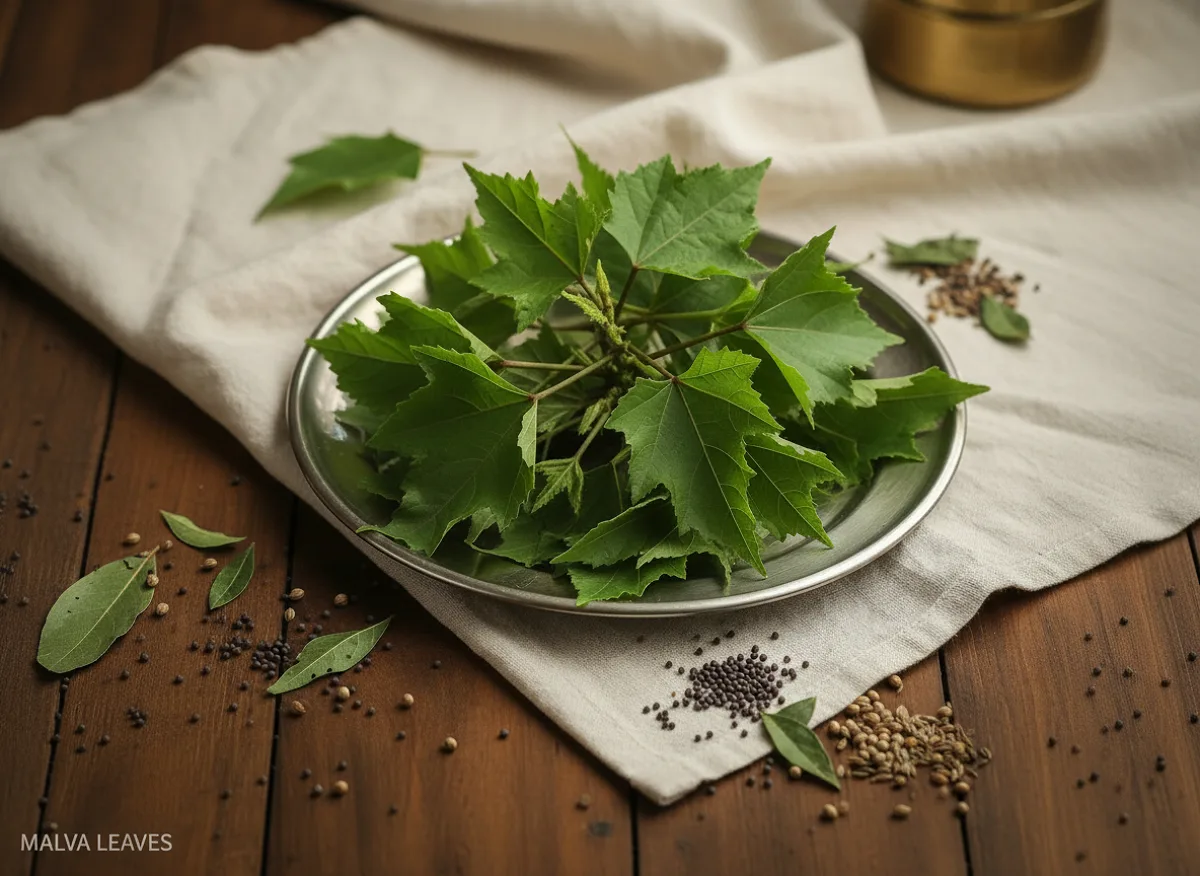
Gogu leaves, known as Ambadi in Maharashtra, Gongura in Andhra Pradesh, and Pulichai cheera in Tamil Nadu, are the tender green leaves of Hibiscus cannabinus. They are heart-shaped, soft-textured, and bright green when fresh, with a distinctive mild sour or tangy taste that comes naturally from their oxalic acid content. Eaten fresh or lightly cooked, they are a seasonal favourite in South Indian and Deccan kitchens, prized as a souring agent that replaces tamarind or lime in many traditional dishes. (IFCT 2017, Ref #C022)
Use in Indian Kitchen
Gogu leaves shine in sambar, where their tartness balances the spice and dal beautifully, and in rasam, where they add a fresh, lemony note without overpowering. In Andhra Pradesh, gongura is stir-fried with mustard seeds, chillies, and garlic to make a simple, tangy sabzi that pairs perfectly with rice and ghee. Tamil cooks fold pulichai cheera into kootu curries and use it in chutneys blended with coconut and green chillies. A practical tip: add the leaves towards the end of cooking or blanch them separately to keep their colour bright and flavour fresh; prolonged heat can dull both. The leaves are best enjoyed during their peak season, lending a seasonal, garden-fresh quality to monsoon and post-monsoon meals.
Key Nutrients
Gogu leaves are a good source of vitamin C, dietary fibre, and minerals including iron and calcium. They also contain carotenoids and polyphenols, which contribute to their antioxidant profile. Exact nutrient composition is documented in IFCT 2017, Ref #C022.
Health Benefits (Evidence-based)
- May support digestive health through their fibre content and traditional use as a mild digestive aid in Ayurvedic and folk medicine.
- Rich in vitamin C, which may help support immune function and skin health.
- Contain antioxidants linked to general wellness and cellular protection.
- Traditionally used in South Indian kitchens as a cooling, slightly astringent leaf, fitting the summer and monsoon seasons.
- Low in calories and nutrient-dense, making them a valuable addition to everyday vegetable curries and dal-based meals.
Culinary Uses (Vegetarian)
- Sambar - added for natural sourness and colour.
- Rasam - fresh leaves or blanched, stirred in just before serving.
- Gongura fry - stir-fried with mustard seeds, dried chillies, garlic, and a touch of oil.
- Kootu curry - combined with lentils, coconut, and spices in Tamil cuisine.
- Chutneys - blended with coconut, green chillies, and salt for a fresh, tangy condiment.
- Dal preparations - added to moong or masoor dal for tartness and nutrition.
Caution
- Gogu leaves contain oxalic acid; those with a history of kidney stones or oxalate sensitivity should consume in moderation.
- Always source fresh leaves from trusted vendors to avoid contamination or wilting.
- Wash thoroughly before use, as leaves can trap soil and dust.
References
- Indian Council of Medical Research - National Institute of Nutrition (ICMR-NIN). Indian Food Composition Tables (IFCT 2017). Reference #C022 - Green Leafy Vegetables.
- Simopoulos, A. P. (2002). The importance of the omega-6/omega-3 fatty acid ratio in cardiovascular disease and other chronic diseases. Experimental Biology and Medicine, 233(6), 674-688. (General reference for leafy green antioxidant and micronutrient profiles.)
Sourcing & Storage
Storage
Store fresh gogu leaves in a breathable cloth bag or perforated plastic bag in the refrigerator's vegetable drawer, away from direct moisture and ethylene-producing fruits. In warm, humid Indian climates, keep them in the coolest part of the fridge. Do not wash before storage; wash only just before use to prevent premature wilting and decay.
Shelf Life
Fresh gogu leaves keep for 3-5 days in the refrigerator when stored in a cool, dry drawer. Once cooked, use within 1-2 days. For longer storage, blanch and freeze in airtight containers for up to 2-3 months, though texture and some colour will soften.
Check Before You Buy
Look for bright green, tender leaves with no yellowing, browning, or slime. Leaves should feel crisp and snap cleanly when bent; avoid wilted, limp, or discoloured bunches. Check the stems - they should be fresh and not woody or hollow. Buy from trusted vendors at the mandi or kirana who source regularly; seasonal availability peaks during monsoon and early post-monsoon months. Avoid pre-packed leaves that show condensation or browning inside the bag.
In Ayurveda
Gogu leaves have limited classical Ayurvedic documentation, but traditional Indian household practice recognizes them as a digestive stimulant and appetite enhancer. The sour taste (amla rasa) is believed to kindle digestive fire (agni) and support healthy appetite. In Telangana and Andhra Pradesh folk medicine, these leaves are traditionally considered to have mild laxative properties and are used to support healthy digestion and bowel regularity.