Garden cress
Lepidium sativum · Also known as Halim sag, Halim ka patta, Bor manimuni, Asadio na pan, Allibija soppu, Alivirai keerai, Alivirai cheera, Ahiva ka patta, Chamsoor ko Saag, Kakharu Saga, Halim-da-sag, Adityala akulu, Khliang syiar
Garden cress (halim sag, halim ka patta) is a tender, peppery leafy green with small rounded leaves and a crisp, slightly spicy bite. Fresh or cooked, it brings a distinctive peppery warmth to Indian kitchens across North, South, and East regions. Commonly wilted into dal, stirre...
Nutrition per 100 g
Edible portion values from the master catalog.
More macros
Classification
About Garden cress
What it is
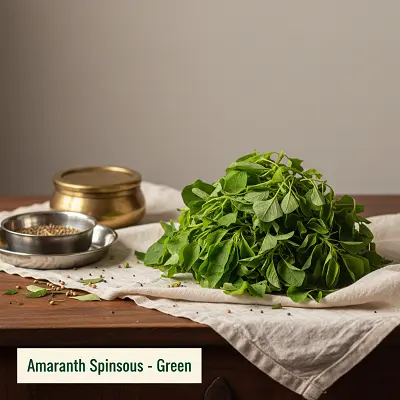
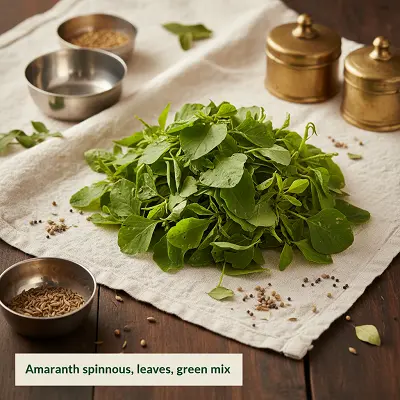
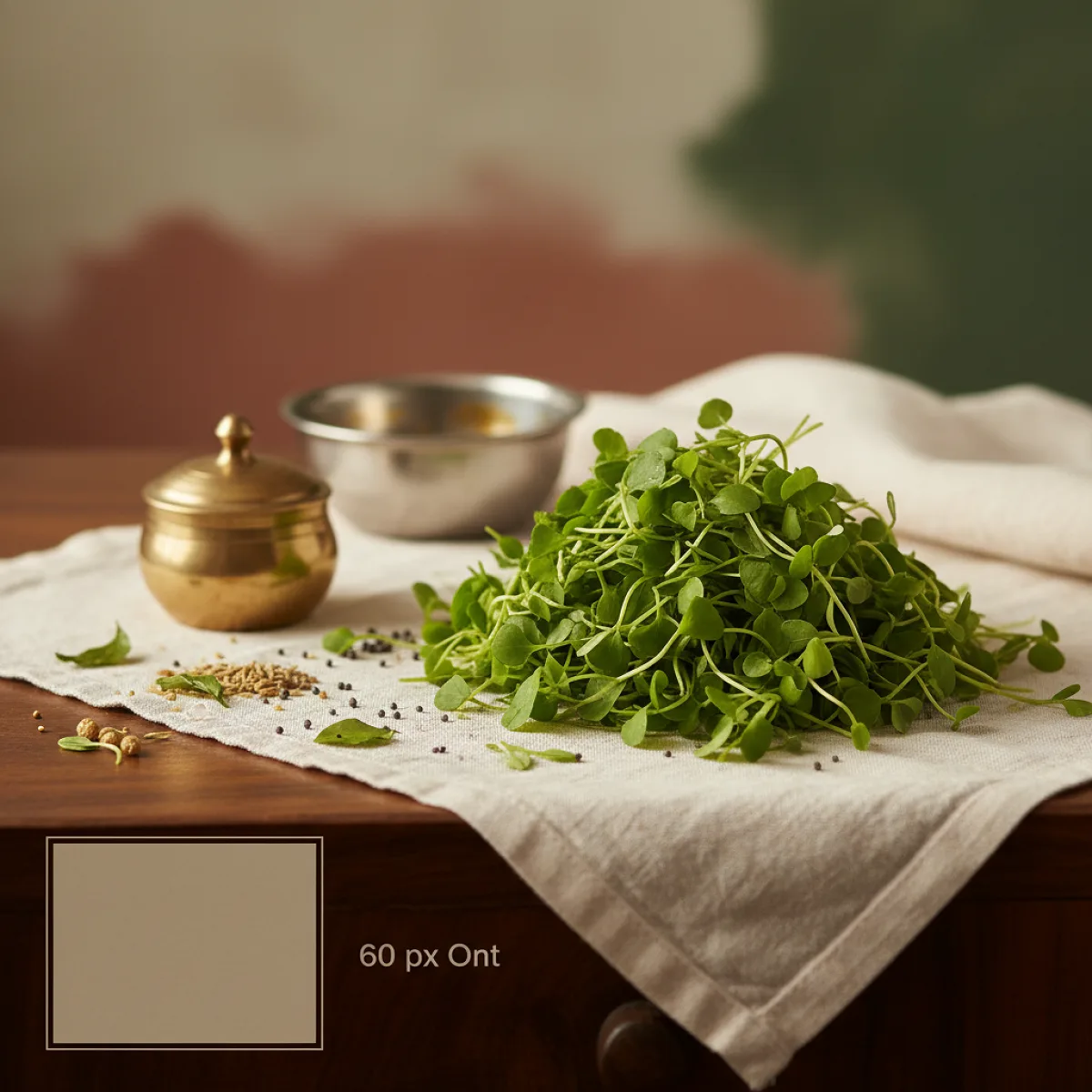
Garden cress (halim sag, halim ka patta, alivirai keerai in South India) is a tender leafy green with small, delicate rounded leaves and a distinctly peppery, slightly sharp taste. The leaves are bright green, soft, and cook down quickly, making it ideal for fast weeknight greens. It is eaten fresh in salads or cooked into dal, rice, and bread across North India, Bengal, and South India. (IFCT 2017, Ref #C021)
Use in Indian Kitchen
Garden cress is a versatile quick-cooking green. In North India, it is commonly wilted into dal tadka or stirred into khichdi and rice. In Bengal and Odisha, it appears in traditional greens curries and is often paired with mustard oil and nigella seeds. South Indian cooks fold it into sambar, kootu, and rice dishes. A practical tip: add the leaves at the very end of cooking to preserve their peppery bite and tender texture; overcooking dulls both flavour and nutrition. The peppery warmth pairs beautifully with tamarind, jaggery, and warming spices like cumin and asafoetida.
Key Nutrients
Garden cress is rich in vitamin C, vitamin A (beta-carotene), iron, and calcium. It also contains folate, potassium, and dietary fibre. Exact nutrient composition is documented in IFCT 2017 (Ref #C021).
Health Benefits (Evidence-based)
- High in vitamin C, which may support immune function and collagen formation.
- Good source of iron and folate, traditionally valued in Indian home cooking for supporting energy and blood health.
- Contains beta-carotene (vitamin A precursor), linked to eye health and antioxidant protection.
- Dietary fibre content may support digestive wellness.
- Low in calories and high in micronutrients, making it a nutrient-dense addition to daily meals.
- Traditionally used in Indian home remedies and Ayurvedic practice for general vitality and seasonal wellness.
Culinary Uses (Vegetarian)
- Wilted into dal tadka or moong dal with tempering of mustard seeds, cumin, and asafoetida.
- Stirred into khichdi, rice, or millet dishes for colour and peppery warmth.
- Folded into paratha dough or used as a filling with spiced paneer or potato.
- Added to sambar, kootu, and South Indian vegetable curries in the final minutes of cooking.
- Fresh in salads with lemon juice, salt, and a pinch of chilli powder.
- Ground into fresh chutneys with coconut, green chilli, and jaggery.
- Cooked with mustard oil and nigella seeds in Bengali-style greens preparations.
Caution
- Garden cress contains glucosinolates (compounds also found in cabbage and broccoli). Cooking inactivates these compounds; raw consumption in very large quantities is not typical in Indian home cooking.
- Those on blood-thinning medications should consume in normal culinary amounts and consult a healthcare provider if concerned.
- Pregnant women should consume in normal cooked culinary amounts; very high supplemental doses are not recommended without medical guidance.
References
- Indian Council of Medical Research - National Institute of Nutrition (ICMR-NIN). Indian Food Composition Tables (IFCT 2017). Reference #C021, Green Leafy Vegetables category.
- Sharma, V., Sharma, A., & Taneja, D. K. (2012). "Nutritional composition and health benefits of garden cress (Lepidium sativum L.)." Journal of Medicinal Plants Research, 6(15), 2814-2824.
Sourcing & Storage
Storage
Store fresh garden cress in a breathable cloth bag or paper towel-lined container in the refrigerator crisper drawer, away from ethylene-producing fruits (apples, bananas). Keep the leaves dry; excess moisture encourages wilting and decay. In warm Indian climates, use the coldest part of your fridge and check daily for any yellowing or slime. Do not wash before storage; rinse gently just before use.
Shelf Life
Fresh garden cress keeps for 3-5 days in the refrigerator when stored dry and cool. Once cooked, use within 1-2 days. Freezing is not recommended, as the tender leaves become mushy upon thawing.
Check Before You Buy
Choose bunches with bright green, crisp leaves free of yellowing, browning, or slime. The stems should be tender and snap cleanly when bent. Avoid bunches that feel limp, smell sour, or show signs of insect damage or mould. At the mandi or kirana, buy from vendors with good turnover; garden cress wilts quickly in heat and humidity. If buying packaged greens, check the date and ensure the pack is cool and dry with no condensation inside.
In Ayurveda
In classical Ayurvedic texts, garden cress (halim sag) is recognized as a leafy green with a sharp, pungent (tikta) and astringent (kashaya) taste profile. It is traditionally considered warming (ushna virya) and is believed to support digestive fire (agni) and blood purification (rakta shodhana).
Ayurvedic practitioners have historically recommended halim sag to help balance vata and kapha doshas, particularly during winter months. Its stimulating properties are thought to aid metabolism and support the body's natural detoxification processes, though individual constitution and seasonal variation are always considered in classical practice.