French beans, hybrid
Phaseolus vulgaris · Also known as Green beans, Fansi, Bakla, Huruli kayi, Hyambi, Presbin, Beans, Pharasebee, Ghiu Simi, Fras bean, Vidaiavarai, Sannachikkudu
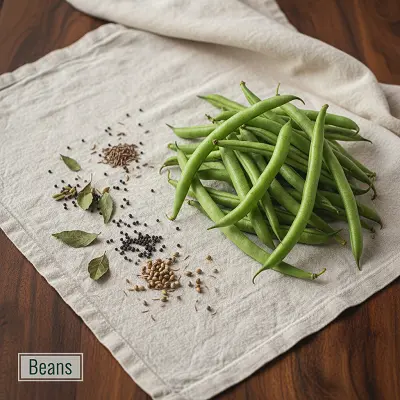
French beans (फ्रेंच बीन्स, fansi) are slender, tender green pods with a mild, slightly sweet flavour and crisp bite when cooked just right. Fresh and versatile, they're a staple across Indian home kitchens - stir-fried with mustard seeds and coconut, simmered in sambar, or simpl...
Nutrition per 100 g
Edible portion values from the master catalog.
More macros
Classification
About French beans, hybrid
What it is
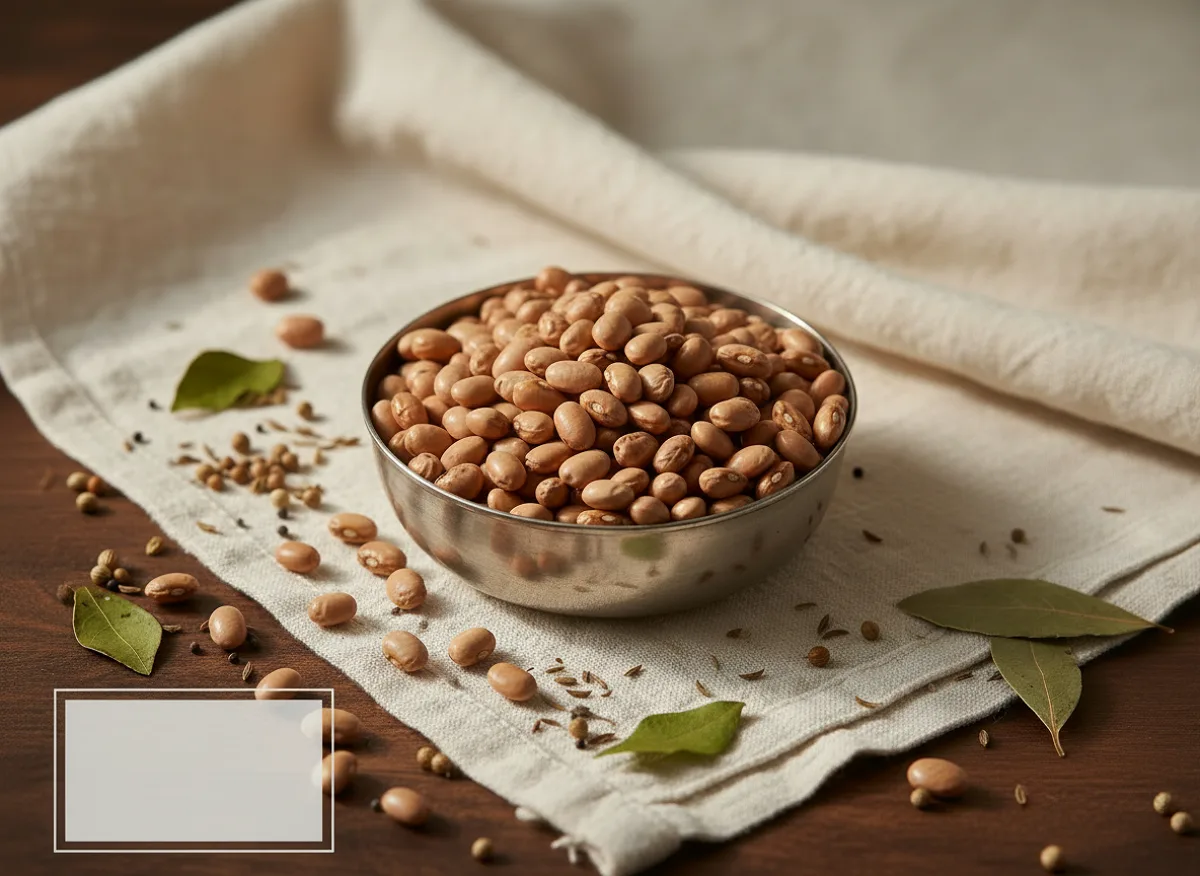
French beans (फ्रेंच बीन्स, fansi, bakla, huruli kayi) are long, slender green pods - typically 10-15 cm - with a smooth, tender skin and pale green flesh inside. Unlike their dried cousins, these are eaten whole when young and immature, offering a delicate crunch and mild, slightly sweet taste. They're available year-round in most Indian markets, though peak season is monsoon through winter. (IFCT 2017, Ref #D050)
Use in Indian Kitchen
French beans are wonderfully flexible in everyday cooking. In South India, they're a classic in sambar and kootu curries, simmered with lentils and coconut. Across the North, they're often stir-fried with onions, ginger, and green chilli - a simple sabzi that pairs well with roti or rice. In coastal kitchens, they're pan-fried with grated coconut, mustard seeds, and curry leaves for a crispy, aromatic side dish. A practical tip: slice them on the bias or into 2-3 cm pieces so they cook evenly and stay tender without turning mushy. Avoid overcooking; 5-7 minutes of gentle simmering or 3-4 minutes of high-heat stir-frying is usually enough.
Key Nutrients
French beans are a good source of dietary fibre, vitamin C, and folate. They also contain vitamin A, potassium, and small amounts of iron and magnesium. The exact nutrient profile varies slightly with freshness and growing conditions; refer to IFCT 2017 (Ref #D050) for detailed compositional data.
Health Benefits (Evidence-based)
- High in dietary fibre, which may support digestive health and help maintain steady blood sugar levels.
- Rich in vitamin C, linked to immune function and collagen formation in skin and connective tissue.
- Contain folate, traditionally valued in Indian nutrition for supporting energy metabolism and cell division.
- Low in calories and fat, making them a nutrient-dense choice for weight-conscious meals.
- Provide polyphenols and antioxidants that may help reduce oxidative stress in the body.
Culinary Uses (Vegetarian)
- Sambar and kootu curries (South Indian staples with lentils and spices).
- Stir-fried sabzi with onions, ginger, green chilli, and turmeric (North and Central India).
- Pan-fried with grated coconut, mustard seeds, and curry leaves (coastal and South Indian style).
- Mixed vegetable curries and dal preparations.
- Steamed or boiled as a simple side dish with a squeeze of lemon and a pinch of salt.
- Chopped into vegetable pulao, biryani, or mixed rice dishes.
Caution
- Raw or undercooked beans contain lectins, which can cause digestive discomfort; always cook them thoroughly.
- People with a history of kidney stones may wish to moderate intake, as beans contain oxalates.
- Those on blood-thinning medication should maintain consistent intake, as vitamin K in beans may interact with anticoagulants.
References
- Indian Council of Medical Research - National Institute of Nutrition (ICMR-NIN). Indian Food Composition Tables (IFCT) 2017. Reference #D050 (Other Vegetables - French Beans).
- Gopalan, C., Rama Sastri, B. V., & Balasubramanian, S. C. (2007). Nutritive Value of Indian Foods. National Institute of Nutrition, ICMR, Hyderabad.
Sourcing & Storage
Storage
Store fresh French beans in a breathable bag or container in the refrigerator crisper drawer, away from ethylene-producing fruits like apples and tomatoes. Keep them unwashed until just before cooking to prevent moisture buildup and mould. In warm, humid Indian climates, use the coldest part of your fridge and check every 2-3 days for any signs of wilting or discolouration. If you have a large harvest or market haul, you can also blanch and freeze them in airtight containers for longer storage.
Shelf Life
Fresh French beans keep for 4-7 days in the refrigerator when stored properly in a cool, dry crisper. Once cooked, they'll last 3-4 days in an airtight container in the fridge. Blanched and frozen beans can be stored for up to 8-10 months in the freezer, though texture may soften slightly upon thawing.
Check Before You Buy
Look for beans that are bright green, firm, and snap cleanly when bent - a sign of freshness and tender texture. Avoid any that are yellowed, limp, or have brown spots or blemishes. At the mandi or kirana, feel the pods gently; they should be crisp and not rubbery. Reject any with visible insect damage or mould. If buying pre-packed, check the date and ensure the packaging is intact and free of condensation.
In Ayurveda
In classical Ayurvedic texts, green beans (फांसी / फ्रेंच बीन्स) are not extensively documented as a standalone ingredient. However, they are considered a light, easily digestible vegetable (laghu guna) with a slightly sweet taste (madhura rasa) and cooling properties (sheeta virya). They are generally regarded as balancing for all three doshas when prepared with warming spices like ginger, cumin, and asafoetida (hing). Traditional home practice often pairs them with ghee and mild spices to enhance digestibility and reduce any potential gas-forming tendency.