Field Bean - Black
Phaseolus vulgaris · Also known as Black Bewans, Kaala Field Been, Black Field Bean, Kaali Sem
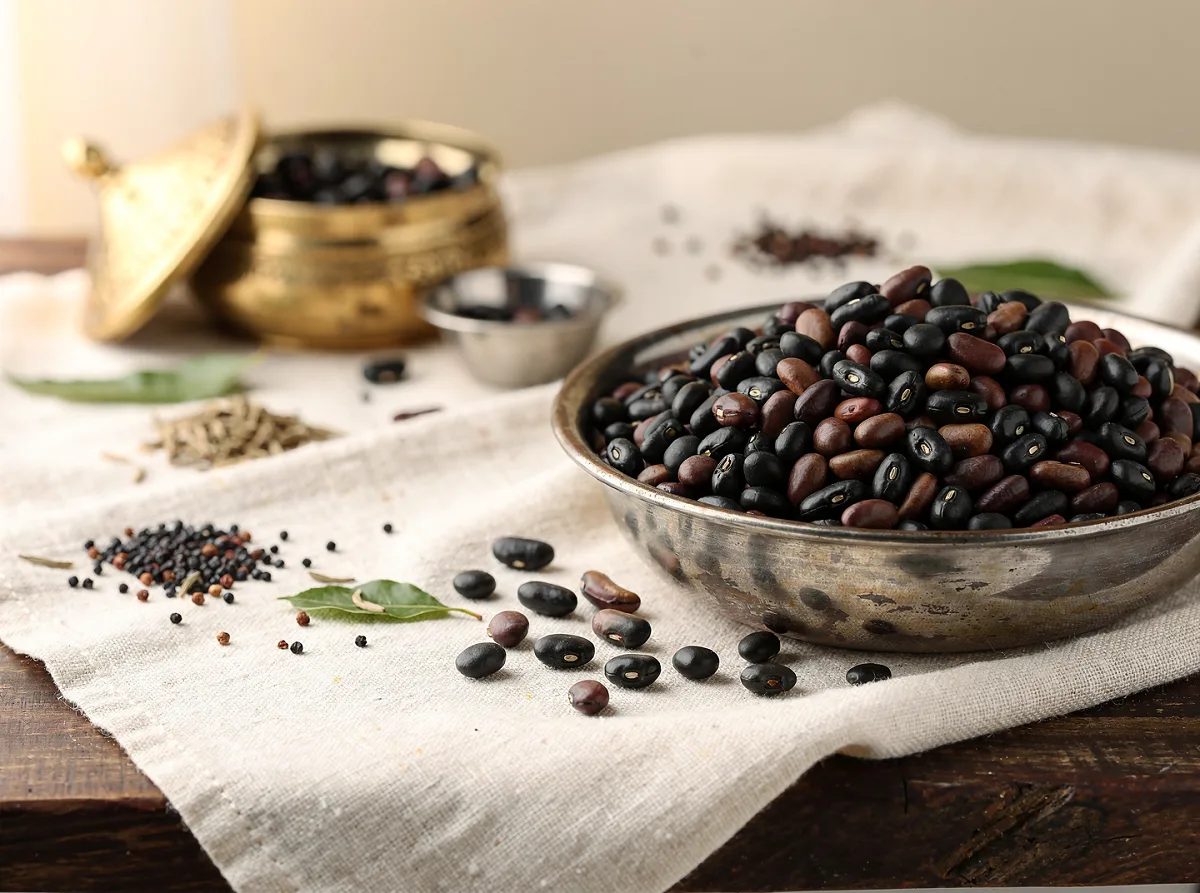
Black field beans (काली सेम, kaali sem) are small, glossy black legumes with a firm, earthy flavour and creamy texture when cooked. Dried whole, they are a protein-rich staple in Indian home kitchens, especially in regional curries, dal preparations, and slow-cooked sabzis. Soak...
Nutrition per 100 g
Edible portion values from the master catalog.
More macros
Classification
About Field Bean - Black
What it is
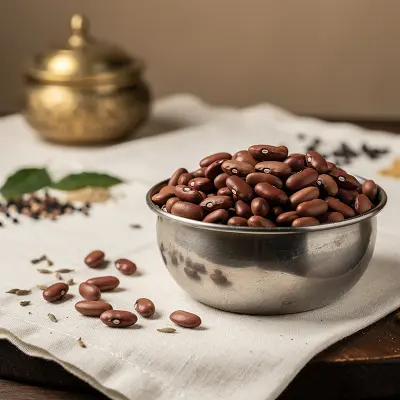
Black field beans are small, oval legumes with a deep black skin and pale interior. When dried, they are hard and require soaking and cooking to soften. They belong to the grain legume family and are a traditional pulse in Indian households, valued for their nutty, slightly earthy taste and ability to absorb spices well. (IFCT 2017, Ref #B007)
Use in Indian Kitchen
Black field beans feature in slow-cooked curries, mixed dal preparations, and regional sabzis across India. In South Indian kitchens, they appear in sambar and kootu; in North India, they are often cooked with onion, tomato, and warming spices into a thick, comforting curry. They pair beautifully with tamarind, jaggery, and coconut. A practical tip: soak overnight, then cook with a pinch of asafoetida and turmeric to reduce gas and improve digestibility. They also work well in dal mixes and can be sprouted for added nutrition.
Key Nutrients
Black field beans are rich in plant-based protein, dietary fibre, and complex carbohydrates. They contain iron, phosphorus, magnesium, and B vitamins (especially folate). Exact nutrient composition per 100g is available in IFCT 2017 tables.
Health Benefits (Evidence-based)
- High protein and fibre content may support sustained energy and digestive health.
- Iron and folate content supports blood health and is particularly valuable for vegetarian diets.
- Low glycaemic index may help maintain steady blood sugar levels.
- Polyphenols and antioxidants linked to general wellness and inflammation management.
- Fibre content may support heart health and cholesterol management.
Culinary Uses (Vegetarian)
- Slow-cooked curries with onion, tomato, and spices.
- Mixed dal preparations and khichdi.
- South Indian sambar and kootu.
- Sprouted beans in salads and light preparations.
- Dal mixes for everyday home cooking.
Caution
- Raw or undercooked beans contain lectins; always soak and cook thoroughly.
- May cause bloating or gas in sensitive individuals; asafoetida and ginger aid digestion.
- Those with kidney or gout concerns should consult a healthcare provider before regular consumption due to purine content.
References
- Indian Council of Medical Research - National Institute of Nutrition (ICMR-NIN). Indian Food Composition Tables 2017 (IFCT 2017). Reference #B007 - Grain Legumes category.
- Nutritive Value of Indian Foods, National Institute of Nutrition, Hyderabad - standard reference for Indian pulse composition.
Health Benefits
- Supports Digestion
- Supports Heart Health
- Helps Blood Sugar Control
- Provides Iron
- Provides Satiety
Sourcing & Storage
Storage
Store dried black field beans in an airtight container in a cool, dry place away from direct sunlight and moisture. In Indian climates, keep in a sealed glass jar or metal tin in a cupboard or pantry. Avoid damp kitchens; if humidity is high, store in the refrigerator. Keep away from strong-smelling foods as dried beans absorb odours easily.
Shelf Life
Well-stored dried black field beans keep for 6-12 months in a cool, dry pantry. After opening, transfer to an airtight container; they remain good for up to 8-10 months if kept dry. Once cooked, refrigerate in an airtight container for 3-4 days, or freeze for up to 3 months.
Check Before You Buy
When buying from a mandi or kirana store, look for beans that are uniformly black, glossy, and free from cracks, discolouration, or insect damage. Avoid beans that look dull, shrivelled, or have visible holes. Check the packaging date on pre-packed beans and ensure the seal is intact. Smell the beans lightly - they should have a clean, dry legume aroma with no musty or off odours, which signal moisture or age.
In Ayurveda
In classical Ayurveda, legumes (including field beans) are considered laghu (light) and ruksha (dry) in quality, making them suitable for balancing Kapha dosha. Black beans are traditionally used in Ayurvedic cooking as a protein-rich food that supports agni (digestive fire) when properly prepared with warming spices like ginger, turmeric, and asafoetida. However, they are also noted as potentially vata-aggravating if consumed in excess or without adequate ghee and spices, so moderation and proper seasoning are recommended in classical texts.