Drumstick
Moringa oleifera · Also known as Sajina, Sajna, Muringakkai, Murungakkai, Suhanjana, Horseradish tree, Moringa, Saijan-ki-phalli, Nugga kayi, Shevanga sheng
Drumstick (सहजन, sahjan) is the long, slender green pod of the moringa tree, prized across Indian kitchens for its tender, slightly bitter flavour and crisp texture. Fresh drumsticks are snapped into short pieces and cooked into sambar, rasam, and kootu in South Indian homes, or...
Nutrition per 100 g
Mean values ± IFCT published SD (edible portion).
More macros
Classification
About Drumstick
What it is
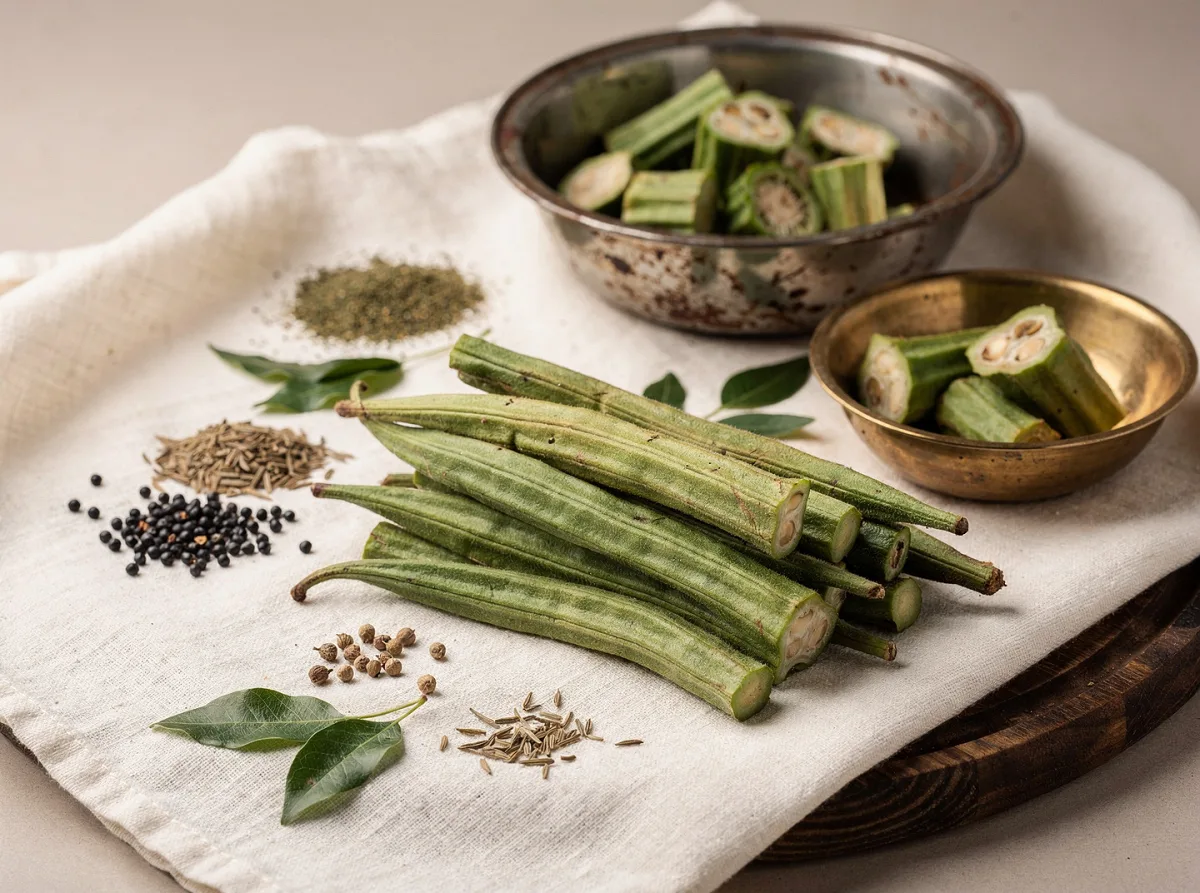
Drumstick is the immature, edible pod of Moringa oleifera, a fast-growing tree native to South Asia. The pods are long, slender, and ridged, typically 20-45 cm in length, with a pale to bright green skin and tender, fibrous flesh inside. When fresh, they snap cleanly and have a mild, slightly peppery taste. Drumsticks are eaten whole (snapped into 2-3 cm pieces) and are a staple vegetable across South India, with growing use in North and East Indian kitchens. (IFCT 2017, Ref #D046)
Use in Indian Kitchen
Drumsticks are most famously cooked into sambar, the tangy lentil and vegetable stew of Tamil and Kannada homes, where their tender texture absorbs the spice and tamarind notes beautifully. They are equally at home in rasam (a light, peppery broth), kootu (a mild coconut-lentil curry), and dry curries with onion and coconut. In North India, whole drumsticks are sometimes stuffed with a spiced besan-onion filling and shallow-fried, or added to mixed vegetable curries. A practical tip: snap the pods into pieces just before cooking, and if you find them slightly tough, blanch them briefly in salted water first. The tender inner flesh is what you eat; the outer fibrous layer is discarded after cooking.
Key Nutrients
Drumsticks are a good source of vitamin C, dietary fibre, and minerals including calcium, iron, and phosphorus. They also contain small amounts of protein and B vitamins. Exact nutrient composition varies with freshness and growing conditions; refer to IFCT 2017 for detailed micronutrient profiles.
Health Benefits (Evidence-based)
- High in vitamin C, which may support immune function and skin health.
- Good source of dietary fibre, linked to digestive regularity and satiety.
- Contains calcium and phosphorus, traditionally valued for bone health.
- Low in calories and fat, making it a light addition to everyday meals.
- Traditionally used in Ayurvedic and folk medicine as a general wellness tonic, though clinical evidence is limited.
Culinary Uses (Vegetarian)
- Sambar - the classic South Indian lentil and vegetable stew.
- Rasam - a light, peppery broth often served as a soup course.
- Kootu - a mild, coconut-based vegetable and lentil curry.
- Dry curries with onion, coconut, and spices.
- Stuffed and shallow-fried (North Indian style).
- Mixed vegetable curries and stir-fries.
Caution
- Drumsticks are generally safe for most people when cooked. Pregnant women should consume in moderation, as the leaves and seeds have traditionally been used as a galactagogue and may have mild uterine effects.
- Those with thyroid conditions should not rely on drumstick leaves as a supplement, though occasional culinary use of pods is unlikely to pose a problem.
- Always cook drumsticks thoroughly; raw or undercooked pods may cause mild digestive discomfort.
References
- Indian Council of Medical Research - National Institute of Nutrition (ICMR-NIN). Indian Food Composition Tables (IFCT 2017). Reference code D046 (Other Vegetables - Drumstick).
- Gopalakrishnan, L., Doriya, K., & Kumar, D. S. (2016). Moringa oleifera: A review on nutritive importance and its medicinal application. Food Science and Human Wellness, 5(2), 49-56.
Sourcing & Storage
Storage
Store fresh drumsticks in the refrigerator in a perforated plastic bag or open container in the vegetable drawer, where they will keep for 3-5 days. Avoid sealing them in an airtight bag, as this traps moisture and encourages rot. In warm, humid Indian climates, use within 2-3 days of purchase for best texture and flavour. Do not wash before storing; rinse just before use.
Shelf Life
Fresh drumsticks keep for 3-5 days in the refrigerator when stored in a cool, dry vegetable drawer. Once cooked, drumstick curry or sambar will last 2-3 days in an airtight container in the fridge. Drumsticks do not freeze well due to their high water content and fibrous texture; freezing causes them to become mushy when thawed.
Check Before You Buy
Choose drumsticks that are bright green, firm, and snap cleanly when bent - a sign of freshness and tender flesh. Avoid pods that are yellowing, limp, or have soft spots, which indicate age or damage. The pods should feel light and crisp, not heavy or waterlogged. At the mandi or kirana, buy from vendors with good turnover; drumsticks are best used within a day or two of harvest. Packaged drumsticks in supermarkets should show no browning or slime; check the pack date if available.
In Ayurveda
Drumstick is traditionally valued in Ayurvedic practice for supporting digestive health and joint flexibility. The plant is believed to help balance Kapha and Vata doshas. In classical Ayurvedic texts and home remedy traditions, the leaves and pods have been used to support overall wellness, though detailed rasa (taste), guna (quality), and virya (potency) classifications in formal Ayurvedic literature remain limited compared to more commonly documented vegetables.