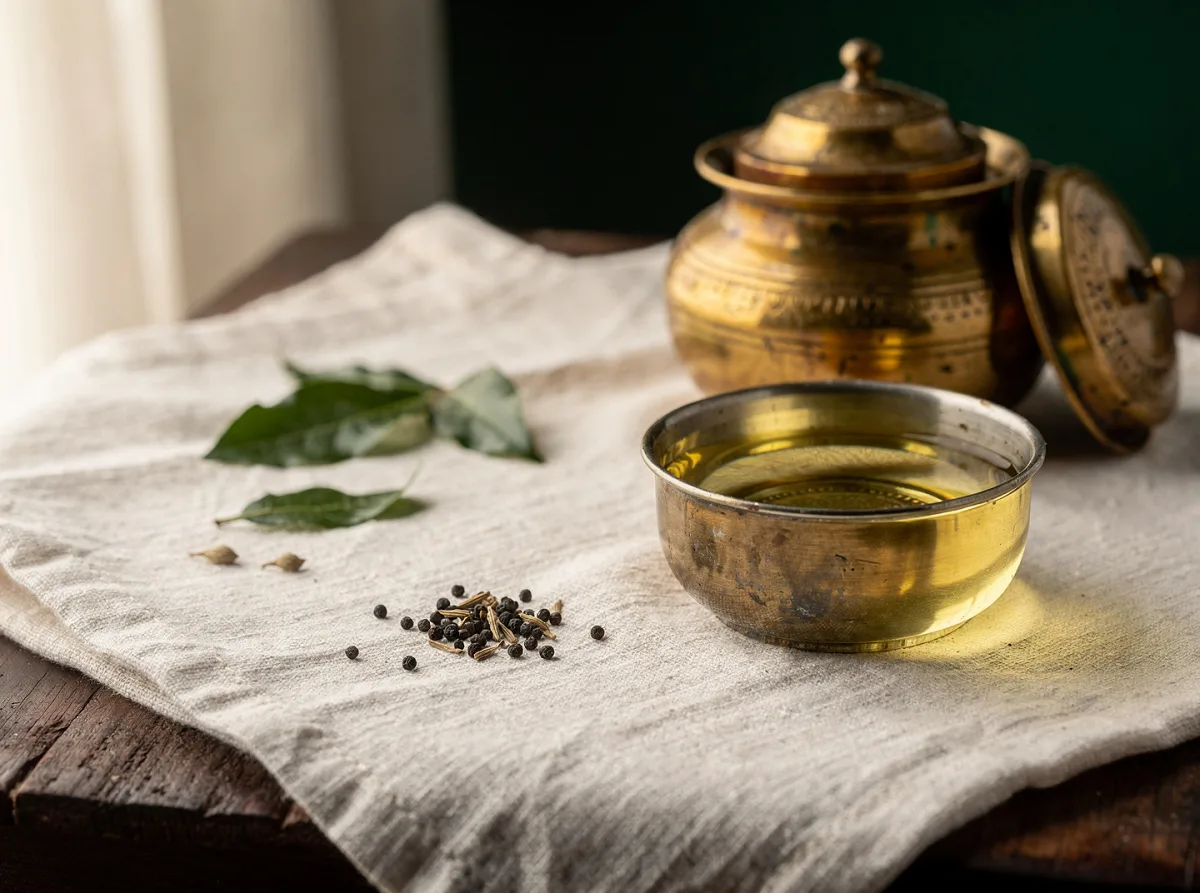
Cottonseed oil
Also known as Kapas ka tel, cotton oil, refined cottonseed oil
Cottonseed oil is a light, neutral-flavoured cooking oil extracted from cotton seeds, widely used across Indian kitchens for everyday frying, tempering, and shallow cooking. Golden-yellow and odourless when refined, it has a high smoke point making it reliable for tadka, pakora,...
Nutrition per 100 g
Edible portion values from the master catalog.
More macros
Classification
About Cottonseed oil
What it is
Cottonseed oil is a refined vegetable oil pressed from the seeds of the cotton plant. Light golden in colour and nearly flavourless when refined, it is one of India's most common and economical cooking oils. The oil has a neutral taste that does not overpower dishes, making it ideal for everyday cooking across regions. (IFCT 2017, Ref #T003)
Use in Indian Kitchen
Cottonseed oil is the workhorse of many Indian home kitchens, especially in North and Central India. It is used for tempering mustard seeds and curry leaves in dal and sambar, shallow-frying pakora and bhajiya, and quick stir-fries of sabzi. The high smoke point makes it suitable for pan-frying vegetables and shallow cooking without burning. A practical tip: use it for tadka at medium-high heat to release the aroma of spices without scorching them. Its neutral flavour allows the spices and vegetables to shine, making it a reliable choice for everyday family meals.
Key Nutrients
Cottonseed oil is primarily composed of fat, including polyunsaturated fatty acids (linoleic acid), monounsaturated fatty acids (oleic acid), and saturated fats. It also contains vitamin E (tocopherols), a natural antioxidant. Exact nutrient composition per serving is available in IFCT 2017.
Health Benefits (Evidence-based)
- Rich in linoleic acid, an essential omega-6 polyunsaturated fatty acid that supports cell membrane health.
- Contains natural vitamin E, which may help protect cells from oxidative stress.
- High smoke point (around 420°F / 215°C) makes it stable for cooking at moderate to high temperatures without breaking down into harmful compounds.
- Neutral flavour allows for balanced, spice-forward meals without added fat taste.
Culinary Uses (Vegetarian)
- Tempering spices for dal, sambar, rasam, and vegetable curries.
- Shallow-frying pakora, bhajiya, and vegetable fritters.
- Pan-frying vegetables, paneer, and tofu.
- Everyday cooking for sabzi and quick stir-fries.
- Dressing salads and light dals when cooled.
Caution
- Cottonseed oil contains gossypol, a naturally occurring compound; refined oil has minimal levels, but those with sensitivities should be aware.
- Like all oils, it is calorie-dense; use in moderation as part of a balanced diet.
- Store away from direct sunlight and heat to prevent oxidation and rancidity.
- Individuals with known allergies to cotton or cottonseed should avoid this oil.
References
- Indian Council of Medical Research - National Institute of Nutrition (ICMR-NIN). Indian Food Composition Tables (IFCT 2017). Hyderabad: NIN; 2017. Reference #T003.
- Food Safety and Standards Authority of India (FSSAI). Regulations on Vegetable Oils and Fats. New Delhi: FSSAI; 2011.
Sourcing & Storage
Storage
Store cottonseed oil in a cool, dark place away from direct sunlight and heat sources. Use an airtight, opaque glass or metal container to prevent oxidation and rancidity. Keep away from moisture and strong odours. In Indian climates, store in a cupboard or pantry rather than near the stove or window. Refrigeration is not necessary for refined cottonseed oil unless the room temperature exceeds 30°C consistently.
Shelf Life
Well-stored refined cottonseed oil typically lasts 12-18 months from the date of manufacture. Once opened, use within 6-8 months for best quality. In warm, humid climates, shelf life may be shorter; check for signs of rancidity (off smell, cloudy appearance) before use. Discard if the oil smells musty or has turned dark brown.
Check Before You Buy
When buying cottonseed oil, check the label for "refined" and "pure" to ensure quality and minimal impurities. Look for a clear, golden-yellow colour without cloudiness or sediment. Verify the manufacturing and expiry dates on the pack. Buy from reputable brands or trusted kirana shops to avoid adulteration with cheaper oils. Avoid bottles with dents, leaks, or signs of tampering. If buying loose oil from a mandi or bulk supplier, smell it first - it should be neutral and odourless, with no rancid or musty notes.
In Ayurveda
Cottonseed oil does not have a well-documented classical Ayurvedic entry in traditional texts. However, in contemporary Ayurvedic practice, refined vegetable oils are generally considered neutral (sattvic) when used in moderation for cooking. The oil's light, non-heating nature makes it suitable for balanced use in daily meals, though Ayurvedic practitioners often recommend sesame oil, ghee, or coconut oil as primary cooking fats for their specific constitutional benefits.