Corn oil
Also known as Maize oil, corn germ oil, makka ka tel (मक्का का तेल)
Corn oil is a light, neutral-flavoured vegetable oil extracted from corn germ, widely used in Indian home kitchens for everyday frying, tempering, and cooking. Golden and mild, it has a high smoke point, making it reliable for tadka, shallow frying vegetables, and preparing parat...
Nutrition per 100 g
Edible portion values from the master catalog.
More macros
Classification
About Corn oil
What it is
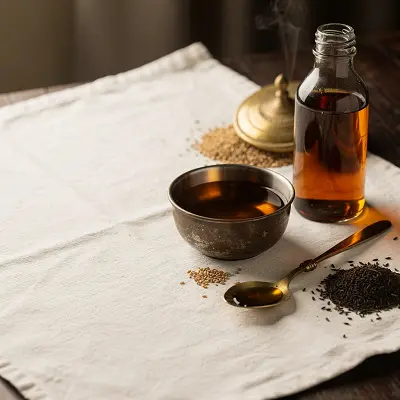
Corn oil (makka ka tel) is a refined vegetable oil pressed from the germ of corn kernels. It is pale golden, nearly odourless, and has a mild, slightly sweet taste. The oil is widely available in Indian markets in both loose and packaged forms, and is a practical everyday cooking medium in North and South Indian home kitchens. (IFCT 2017, Ref #T002)
Use in Indian Kitchen
Corn oil is valued for its neutral flavour and high smoke point, making it ideal for tempering spices (tadka) in dal, sambar, and rasam without overpowering delicate flavours. It is commonly used for shallow-frying vegetables, preparing crispy parathas, puris, and pakora, and for general sautéing of onions and aromatics in curries. In South Indian cooking, it is often the oil of choice for coconut-based gravies and vegetable stir-fries. A practical tip: store corn oil in a cool, dark place to preserve its neutral character and prevent rancidity, especially in warm Indian climates.
Key Nutrients
Corn oil is primarily composed of fat, with significant amounts of polyunsaturated fatty acids (linoleic acid) and monounsaturated fatty acids (oleic acid). It also contains vitamin E (tocopherols), which acts as a natural antioxidant. Exact nutrient composition per serving is available in IFCT 2017 food tables.
Health Benefits (Evidence-based)
- May support heart health due to its polyunsaturated fat content, which is linked to cholesterol management in balanced diets.
- Rich in vitamin E, an antioxidant that may help protect cells from oxidative stress.
- High smoke point makes it suitable for cooking methods that require sustained heat without oil breakdown.
- Neutral flavour allows the natural taste of spices and vegetables to shine in traditional Indian dishes.
Culinary Uses (Vegetarian)
- Tempering (tadka) for dal, sambar, rasam, and vegetable curries.
- Shallow-frying vegetables, pakora, and fritters.
- Preparing parathas, puris, and flatbreads.
- Sautéing onions, garlic, and ginger for curry bases.
- Stir-frying seasonal vegetables and greens.
Caution
- Like all oils, corn oil is calorie-dense; use in moderation as part of a balanced diet.
- Once opened, the oil may gradually oxidise over time; store away from heat and light to maintain quality.
- Individuals with corn allergies should avoid corn oil.
References
- Indian Council of Medical Research - National Institute of Nutrition (ICMR-NIN). Indian Food Composition Tables (IFCT 2017). Reference code T002.
- Food Safety and Standards Authority of India (FSSAI). Labelling and display standards for edible oils and fats.
Sourcing & Storage
Storage
Store corn oil in a cool, dark place away from direct sunlight and heat sources. Use a tightly sealed, opaque container (glass or food-grade plastic) to prevent oxidation and rancidity. In warm Indian climates, consider storing in a cupboard away from the stove or in a cool pantry. Avoid storing near spices or strong-smelling foods, as oil can absorb odours.
Shelf Life
Unopened, well-stored corn oil typically lasts 1 to 2 years. Once opened, it remains fresh for 6 to 12 months if kept in a cool, dark place. Refrigeration is not necessary but may extend shelf life slightly in very warm climates. Discard if the oil develops a rancid smell or off-taste.
Check Before You Buy
When buying corn oil from a kirana shop or supermarket, check the packaging for a clear, golden colour and ensure the bottle or container is intact with no leaks. Look for the manufacturing and expiry dates on the label. If buying loose oil from a mandi or bulk seller, smell it briefly to confirm it has no musty or off odours, which may indicate poor storage or age. Prefer packaged, branded oils from reputable manufacturers to reduce the risk of adulteration or contamination.
In Ayurveda
Corn oil is not extensively documented in classical Ayurvedic texts, as maize is a relatively modern introduction to the Indian subcontinent. However, in contemporary Ayurvedic practice, oils rich in polyunsaturated fats like corn oil are generally considered warming (ushna virya) and are used cautiously in Pitta-dominant constitutions. Ayurvedic practitioners often prefer ghee or sesame oil for traditional cooking, but corn oil is accepted in modern Indian kitchens for its neutral taste and high smoke point.