Cherry
Prunus cerasus · Also known as sweet cherry, bing cherry, black cherry, मीठी चेरी (meethi cherry)
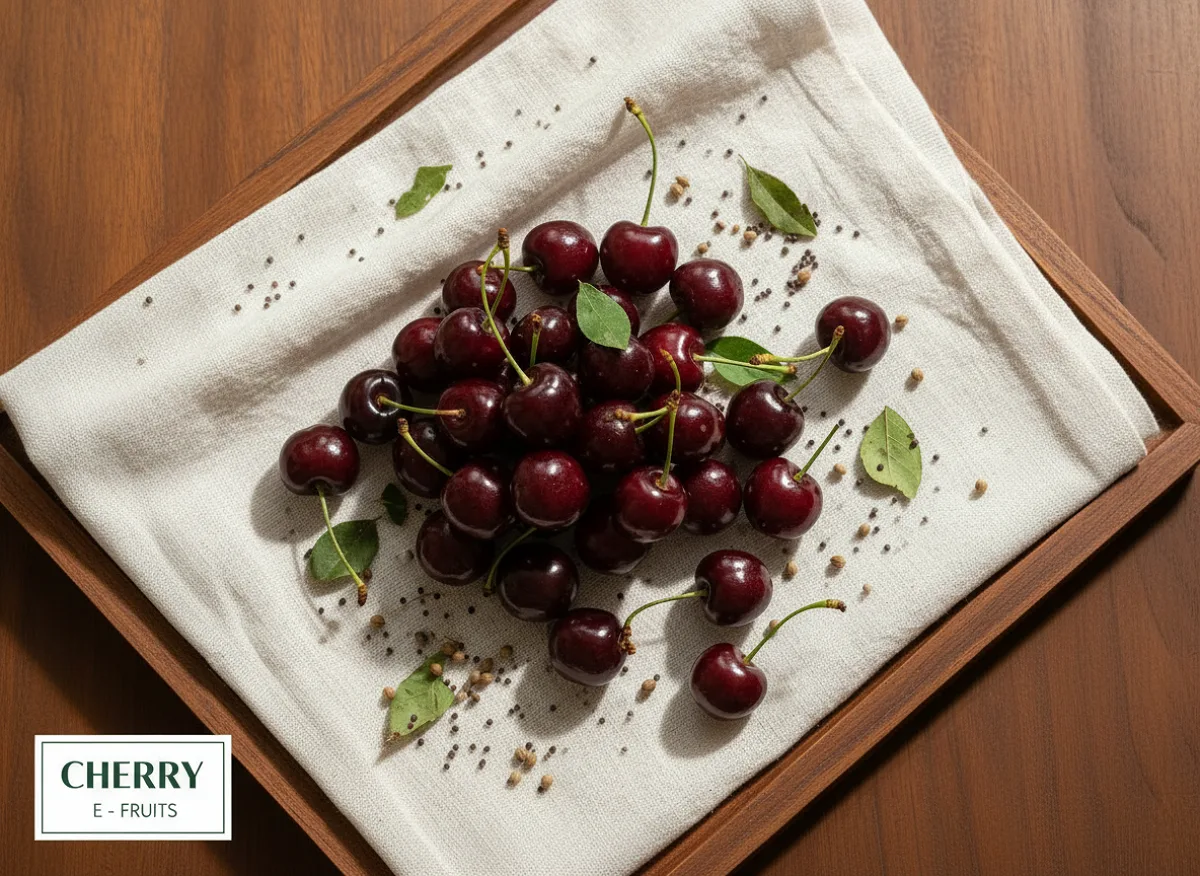
Cherry is a small, round stone fruit with glossy deep red to dark burgundy skin and sweet, juicy flesh inside. Fresh cherries are a seasonal summer fruit, prized in Indian kitchens for their natural sweetness and vibrant colour. They are eaten fresh as a snack, added to fruit sal...
Nutrition per 100 g
Mean values ± IFCT published SD (edible portion).
More macros
Classification
About Cherry
What it is
Cherry is a small, round stone fruit with a single hard pit at its centre, wrapped in glossy, thin skin that ranges from bright red to deep burgundy or black depending on variety. The flesh is tender, juicy, and naturally sweet with a subtle tartness. Fresh cherries are a seasonal summer fruit, typically available from May to July in Indian markets, and are eaten whole or used in desserts and drinks. (IFCT 2017, Ref #E014)
Use in Indian Kitchen
While not a traditional staple in everyday Indian home cooking, fresh cherries have become popular in urban Indian kitchens and dessert-making. They are enjoyed fresh as a premium snack, added to fruit salads and yogurt parfaits, or used in homemade jams and compotes. Cherries pair well with cardamom and rose water in kheer or payasam, and are sometimes candied or preserved in sugar syrup. In summer drinks, they add natural sweetness to lassi or fresh fruit juices. A practical tip: chill cherries well before serving to enhance their crispness and sweetness.
Key Nutrients
Cherries are a source of vitamin C, potassium, and dietary fibre. They also contain natural antioxidants, including anthocyanins (the pigments that give them their deep colour). Exact nutrient composition varies by variety and ripeness; refer to IFCT 2017 for detailed micronutrient profiles.
Health Benefits (Evidence-based)
- Rich in antioxidants, particularly anthocyanins, which may help reduce inflammation and support overall cellular health.
- Good source of vitamin C, which supports immune function and skin health.
- Contain potassium, which plays a role in heart health and blood pressure regulation.
- Dietary fibre content may support digestive wellness.
- May help with post-exercise recovery due to their anti-inflammatory compounds (linked to some sports nutrition studies).
Culinary Uses (Vegetarian)
- Fresh fruit snack, eaten whole or pitted.
- Added to fruit salads, yogurt, and desserts.
- Used in homemade jams, compotes, and preserves.
- Infused into summer drinks, lassi, and fresh juices.
- Paired with cardamom and rose water in traditional Indian sweets and kheer.
- Candied or preserved in sugar syrup for gifting or long-term storage.
Caution
- The pit is a choking hazard for small children and should always be removed before serving.
- Cherries are a seasonal fruit with a short shelf life; buy only what you can consume within a few days.
- Some people may experience mild digestive discomfort if eaten in very large quantities due to their natural sugar and fibre content.
References
- Indian Council of Medical Research - National Institute of Nutrition (ICMR-NIN). Indian Food Composition Tables (IFCT 2017). Reference #E014.
- Kelley, D. S., Adkins, Y., & Laugero, K. D. (2018). A review of the health benefits of cherries. Nutrients, 10(3), 368. (General reference on cherry antioxidants and health; specific URL not provided.)
Health Benefits
- Anti Inflammatory
- Boosts Immunity
- Heart Health Support
- Improves Sleep Quality
Sourcing & Storage
Storage
Store fresh cherries in a breathable container or paper bag in the refrigerator at 2-4°C (35-40°F). Do not wash them until just before eating, as moisture encourages mould. Keep them away from direct sunlight and strong-smelling foods. In Indian summer heat, use the coldest part of your fridge and consume within 2-3 days for best quality. For longer storage, pit and freeze in an airtight container or freeze in sugar syrup.
Shelf Life
Fresh cherries keep for 3-5 days in the refrigerator when stored properly in a cool, dry container. Once washed, consume within 1-2 days. Frozen cherries (pitted and in syrup or dry) will keep for up to 8-12 months in the freezer. Homemade cherry jam or preserve, when sealed properly, keeps for 2-3 months in a cool, dark cupboard.
Check Before You Buy
Choose cherries that are firm, glossy, and deeply coloured (dark red to burgundy or black, depending on variety). Avoid soft, bruised, or shrivelled fruit. The stem should be fresh and green, not brown or dried. Smell for a sweet aroma; cherries with no fragrance are often underripe. Buy from reputable vendors at the mandi or kirana, and check the pack date on pre-packed containers. Imported cherries may be more expensive; local or regional varieties are often fresher and better value.
In Ayurveda
Cherry is not extensively documented in classical Ayurvedic texts as a primary therapeutic ingredient. However, its sweet taste (rasa), cooling nature (virya), and natural antioxidants align with Ayurvedic principles of supporting overall wellness and digestion. In modern Ayurvedic practice, cherries are sometimes recommended as a seasonal fruit to balance pitta dosha due to their cooling properties, though individual constitution should always guide use.