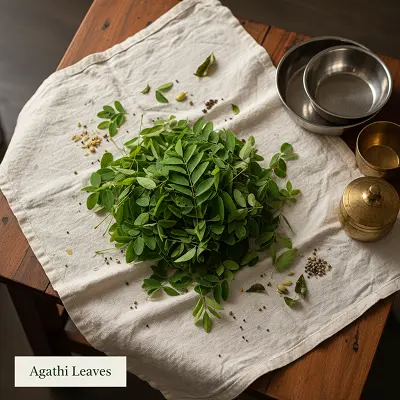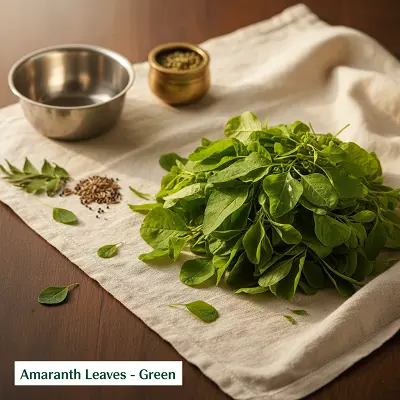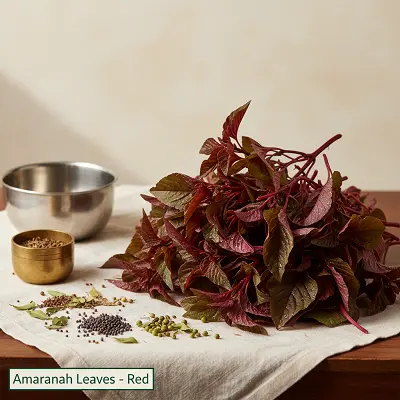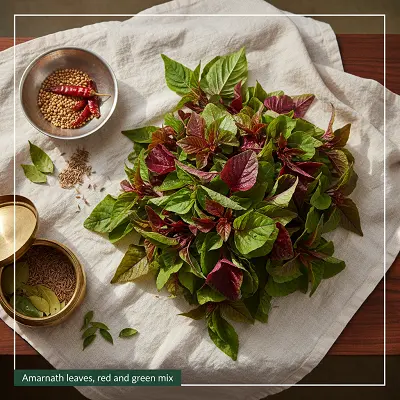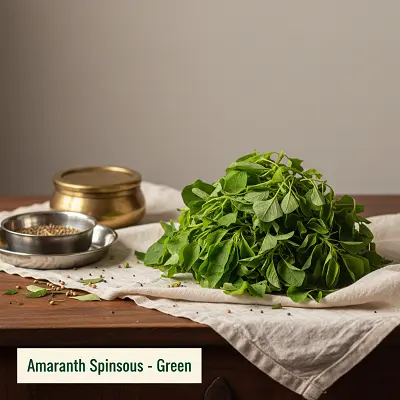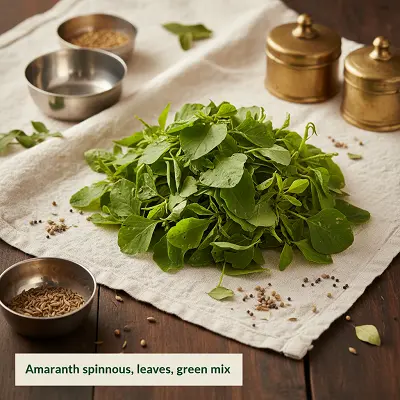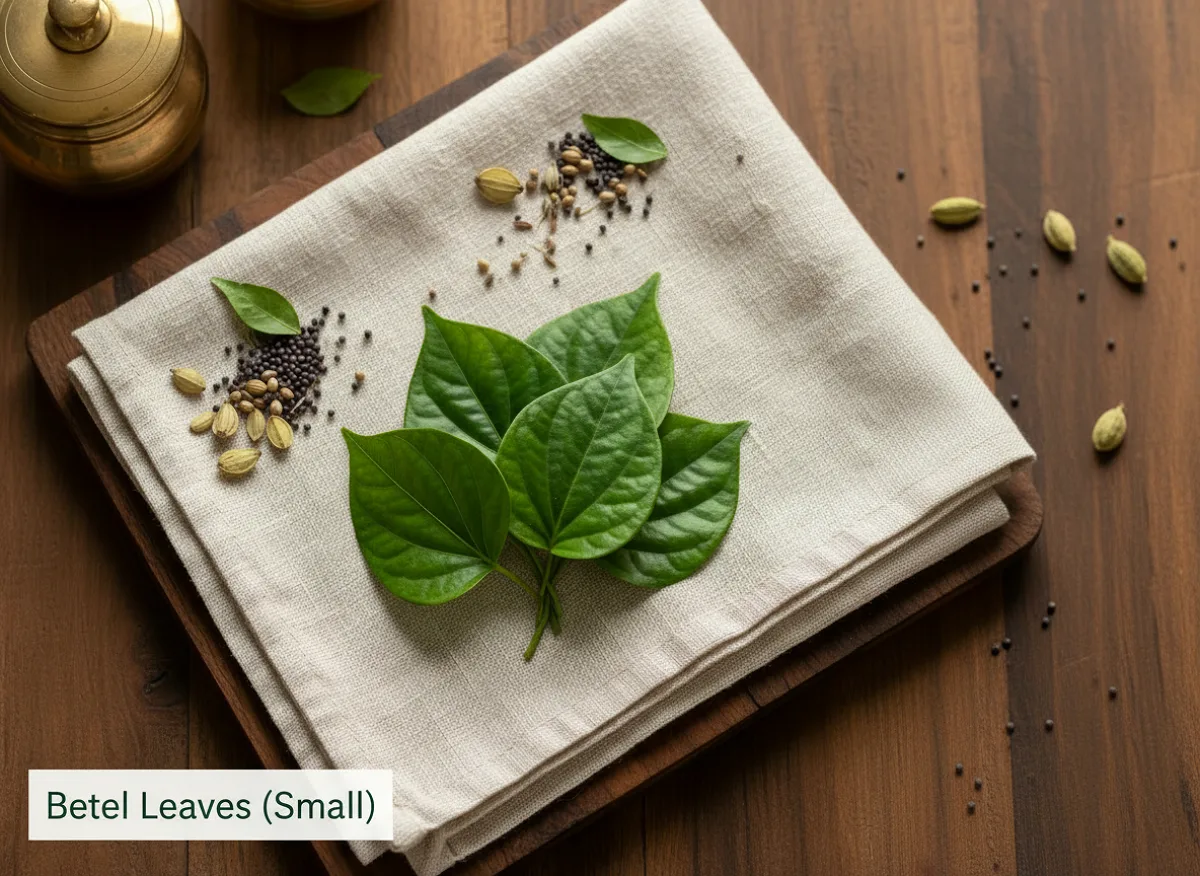
Betel Leaves (Small)
Piper betle · Also known as amaranth-leaves--green
Betel leaves, also known as paan ke patte or amaranth leaves, are tender green leafy vegetables commonly used across Indian kitchens for wrapping, flavouring, and medicinal purposes. A staple in South and East Indian cuisine, these leaves are rich in vitamins and minerals (IFCT 2...
Nutrition per 100 g
Mean values ± IFCT published SD (edible portion).
More macros
Classification
About Betel Leaves (Small)
What it is
Betel leaves are the tender, heart-shaped leaves of the Piper betle vine, native to South and Southeast Asia. In Indian kitchens, they are prized for their mild peppery flavour and aromatic quality. Commonly used fresh, they are a key ingredient in the traditional betel leaf wrap (paan) and feature in regional cooking across the subcontinent (IFCT 2017, Ref #C011).
Use in Indian Kitchen
Betel leaves hold deep cultural significance, especially in South India, Bengal, and Odisha, where they are chewed after meals as a digestive aid and mouth freshener. In the kitchen, they flavour chutneys, are wrapped around fillings for savoury snacks, and infuse broths and light curries with a subtle warmth. In Bengali cuisine, they wrap fish or vegetable preparations; in South India, they appear in traditional paan and as a garnish for festive dishes. The leaves are also dried and powdered for medicinal teas. Their use spans celebrations, daily meals, and home remedies - a quiet presence in the Indian table that speaks of tradition and wellness.
Key Nutrients
Betel leaves contain vitamin C, vitamin A, calcium, iron, and phosphorus. They also provide dietary fibre and are a source of essential oils and phenolic compounds that contribute to their traditional medicinal reputation (IFCT 2017, Ref #C011).
Health Benefits (Evidence-based)
- May support digestive health and help ease bloating when chewed or brewed as a light tea.
- Linked to antimicrobial and antioxidant properties, traditionally used to support oral hygiene and freshen breath.
- Rich in vitamin C, which may help support immune function and skin health.
- Traditionally used in Ayurvedic and folk medicine to soothe minor mouth and throat discomfort.
- May help with appetite stimulation and general digestive comfort when consumed in small amounts.
Culinary Uses (Vegetarian)
- Wrapped around paneer, coconut, or vegetable fillings for savoury paan or appetisers.
- Finely chopped and mixed into fresh chutneys, especially coconut or mint-based varieties.
- Infused into light broths, soups, or steamed rice dishes for subtle flavour.
- Dried and powdered for herbal teas or as a seasoning in spice blends.
- Garnish for festive rice dishes, curries, and traditional sweets in South Indian celebrations.
Caution
Betel leaves contain mild stimulant compounds and are traditionally chewed in moderation. Those with sensitive digestion or taking blood-thinning medications should consult a healthcare provider before regular use. Pregnant women should avoid excessive consumption. Always source fresh leaves from trusted vendors to avoid pesticide residue.
References
- Indian Council of Medical Research - National Institute of Nutrition (ICMR-NIN). Indian Food Composition Tables (IFCT) 2017. Reference #C011 - Green Leafy Vegetables category.
- Peixoto H, Roxo M, Peixoto H, et al. (2016). Betel leaf (Piper betle L.) - A review of traditional uses, phytochemistry, and pharmacology. Journal of Ethnopharmacology, 194, 1-15.
Health Benefits
- Anti Inflammatory
- Supports Digestion
- Relieves Bloating
- Oral Health Support
- Breath Freshening
Sourcing & Storage
Storage
Store fresh betel leaves in a cool, dry place or in the refrigerator wrapped loosely in a damp cloth or paper towel inside a sealed container or plastic bag. Keep away from direct sunlight and moisture to prevent wilting and mould. In Indian kitchens, many prefer to store them in a shallow dish with a little water at the base, covered with a cloth, which keeps them fresh and pliable for several days.
Shelf Life
Fresh betel leaves typically stay crisp and flavourful for 5-7 days when stored in the refrigerator in a damp cloth or sealed container. Once opened or removed from storage, use within 2-3 days for best quality. Dried betel leaves, when stored in an airtight container away from heat and light, can last several months.
Check Before You Buy
Choose betel leaves that are bright green, tender, and free from yellowing, brown spots, or insect damage. The leaves should feel supple and slightly moist, not brittle or dried at the edges. Avoid bundles with a musty or fermented smell. When buying from a mandi or kirana shop, select leaves that have been kept cool and misted regularly. If buying packaged leaves, check the date and ensure the packet is not damp or discoloured inside.
In Ayurveda
Hello