Varagu
Setaria italica · Also known as Kodo millet, Konidhan, Syama dhan, Ral gana, Kangni, Thinai, Thina, Rala, Priyangu thene, Snol
Varagu (कोदो, kodo millet) is a small, round, pale golden grain belonging to the millet family, prized in South Indian and Eastern kitchens for its mild, slightly nutty flavour and easy digestibility. Whole or as flour, it appears in breakfast porridges, savoury rice dishes, and...
Nutrition per 100 g
Mean values ± IFCT published SD (edible portion).
More macros
Classification
About Varagu
What it is
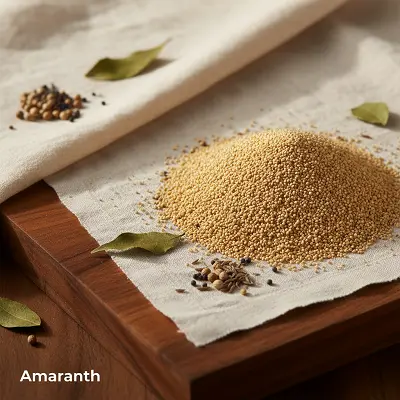
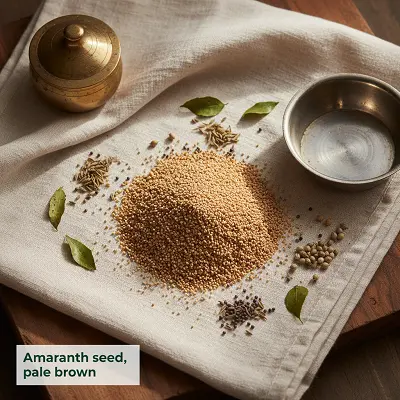
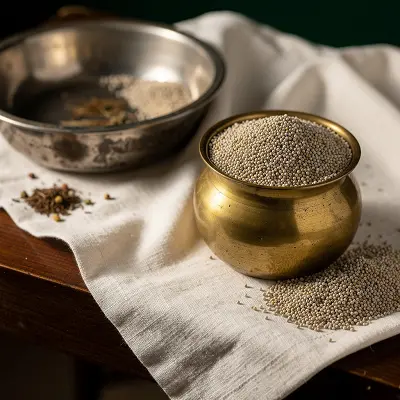
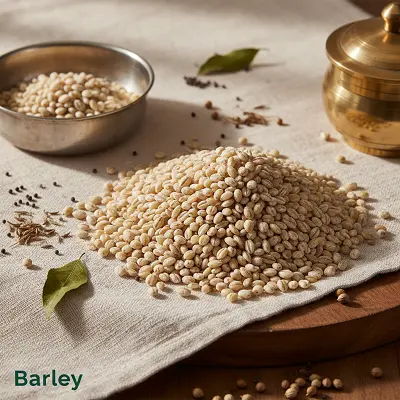
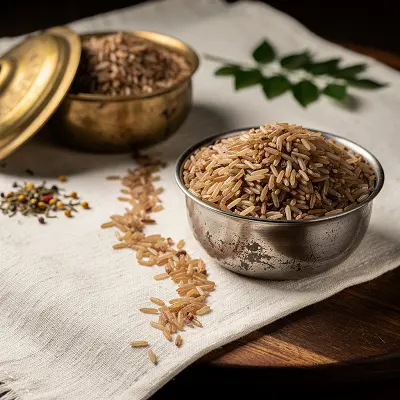
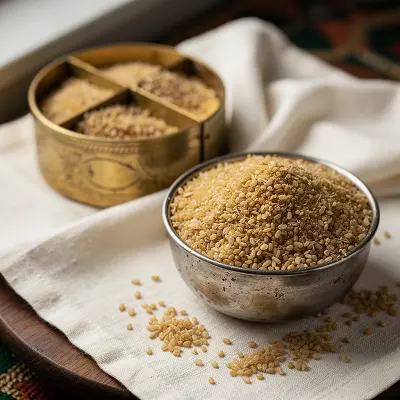
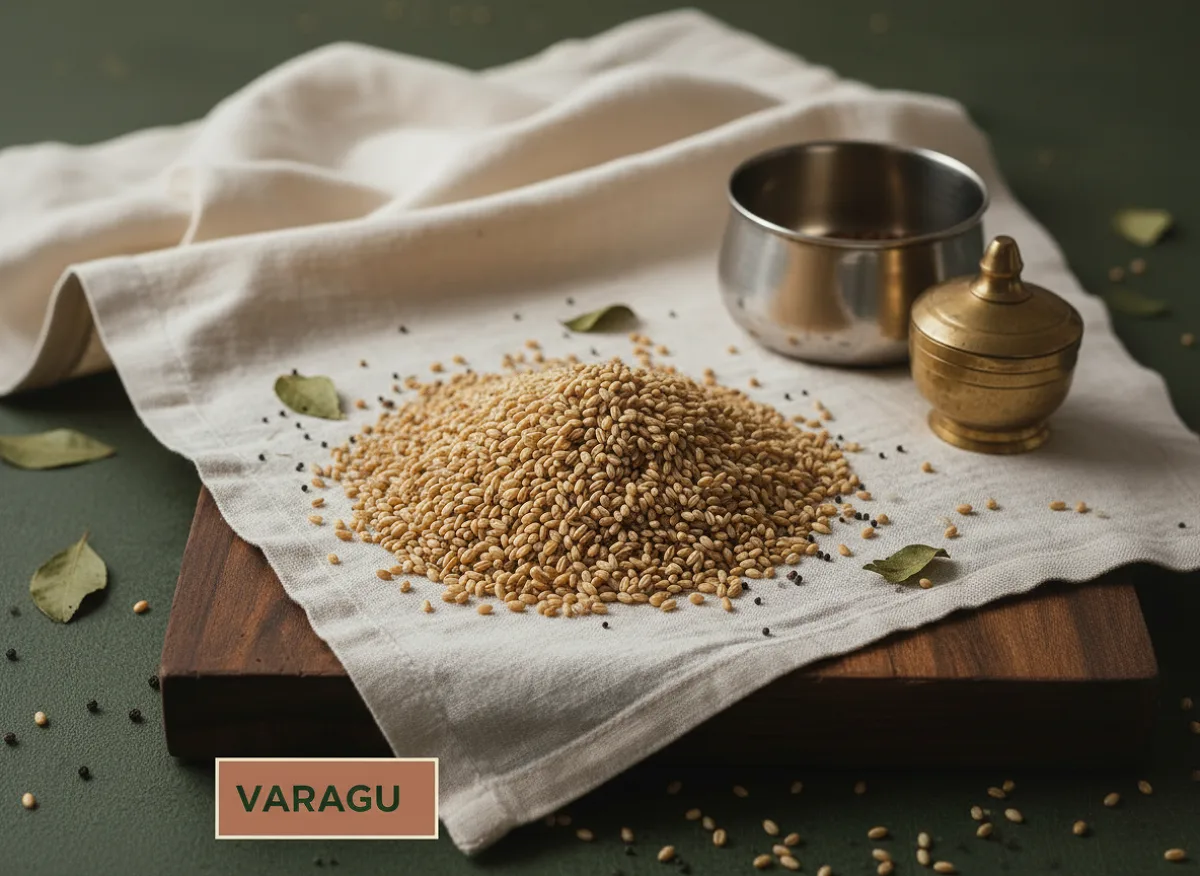
Varagu, also known as kodo millet or konidhan in regional markets, is a small, round grain with a pale golden to cream-coloured hull. The grain is compact and cooks to a soft, slightly fluffy texture with a gentle, earthy-nutty taste. Traditionally grown and consumed across South India (especially Tamil Nadu and Karnataka), Eastern regions, and parts of North India, varagu is naturally gluten-free and has been a monsoon and millet-season staple for centuries. (IFCT 2017, Ref #A017)
Use in Indian Kitchen
Varagu is most commonly cooked as a whole grain porridge or upma - tempered with mustard, cumin, curry leaves, and a touch of ghee for breakfast comfort. In South India, it appears in sweet payasam mixed with jaggery, coconut, and ghee, and as a stuffing for dosa or idli batter blends. The flour is used in traditional festival sweets and savoury flatbreads. A practical tip: rinse the grain well before cooking to remove dust, and use a 1:2 grain-to-water ratio for a fluffy result. In monsoon kitchens, varagu is valued for its cooling, easily digestible nature.
Key Nutrients
Varagu is a source of carbohydrates, dietary fibre, and plant-based protein. It contains B vitamins (particularly niacin and thiamine), iron, magnesium, and phosphorus. The grain is naturally low in fat and free from gluten, making it suitable for those with gluten sensitivity.
Health Benefits (Evidence-based)
- May support steady blood sugar levels due to its low glycaemic index and fibre content.
- Linked to improved digestive health and gentle on the stomach, traditionally used during recovery and fasting periods.
- Rich in antioxidants and minerals that may support bone health and metabolic function.
- Naturally gluten-free, making it a safe choice for those with coeliac disease or gluten sensitivity.
- May help maintain satiety and support weight management when part of a balanced diet.
Culinary Uses (Vegetarian)
- Whole grain porridge or upma, tempered with ghee, mustard seeds, and curry leaves.
- Sweet payasam with jaggery, coconut milk, and roasted cashews.
- Flour for traditional festival sweets, laddoos, and savoury flatbreads.
- Mixed into dosa or idli batter for added nutrition and texture.
- Risotto-style preparation with vegetables and ghee.
- Sprouted and added to salads or breakfast bowls.
Caution
- Varagu is generally well-tolerated; however, those with millet allergies should avoid it.
- Always rinse thoroughly before cooking to remove any dust or debris.
- Store in a cool, dry place to prevent insect infestation or moisture absorption, especially in humid climates.
References
- Indian Council of Medical Research - National Institute of Nutrition (ICMR-NIN). Indian Food Composition Tables (IFCT 2017). Reference #A017 - Cereals and Millet category.
- Nutritional composition and health benefits of millets: A review. Journal of Food Science and Technology, peer-reviewed literature on traditional Indian grains.
Sourcing & Storage
Storage
Store varagu in an airtight container or glass jar in a cool, dry place away from direct sunlight and moisture. In humid climates (common across India during monsoon), keep the container in a cupboard or pantry with good air circulation. Avoid storing near spices or strong-smelling foods, as millet can absorb odours. If buying in bulk, consider storing in the refrigerator or freezer in airtight bags to extend shelf life and prevent pest infestation.
Shelf Life
When stored in an airtight container in a cool, dry place, varagu typically keeps for 6-8 months. In the refrigerator, it can last up to 12 months; in the freezer, up to 18 months. Once cooked, varagu porridge or upma should be consumed within 2-3 days when refrigerated. Always check for signs of moisture, discolouration, or off-odours before use.
Check Before You Buy
When buying varagu from a mandi or kirana store, look for grains that are uniform in colour (pale golden to cream), free from dust, debris, or discoloured spots. The grain should feel dry and not clump when pressed. Avoid bags with visible moisture, mould, or insect damage. If buying packaged varagu, check the manufacturing and expiry dates; reputable brands will have clear labelling and batch information. Smell the grain lightly - it should have a mild, clean, slightly earthy aroma with no musty or rancid notes.
In Ayurveda
Varagu is traditionally regarded in Ayurveda as a light, easily digestible grain that pacifies Vata dosha. It is commonly recommended in post-illness recovery diets and for individuals with weak digestion. The grain is considered cooling in nature (sheet virya), making it particularly suitable for summer consumption and for those with sensitive digestive systems.
In classical Ayurvedic texts, millets like varagu are valued for their grounding yet non-heavy properties, supporting both nourishment and digestive ease. It is often suggested as a staple for convalescence and as a gentle alternative to heavier grains.