Bajra
Pennisetum typhoideum · Also known as Pearl Millet
Bajra, or pearl millet, is a hardy whole grain staple across India, especially in the drier regions of Rajasthan, Gujarat, and Maharashtra. Rich in fibre, minerals, and protein, it has been a cornerstone of Indian home cooking for centuries (IFCT 2017, Ref #A003). Traditionally g...
Nutrition per 100 g
Mean values ± IFCT published SD (edible portion).
More macros
Classification
About Bajra
What it is
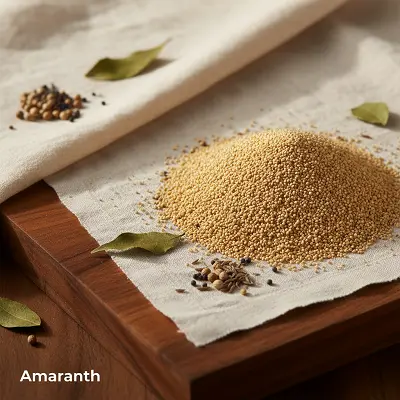
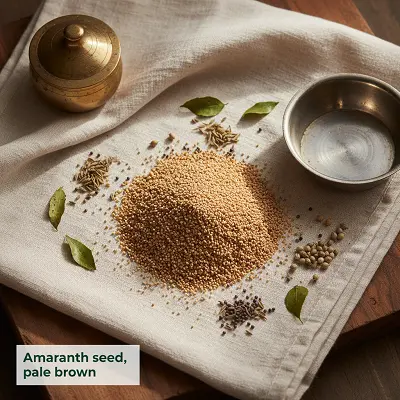
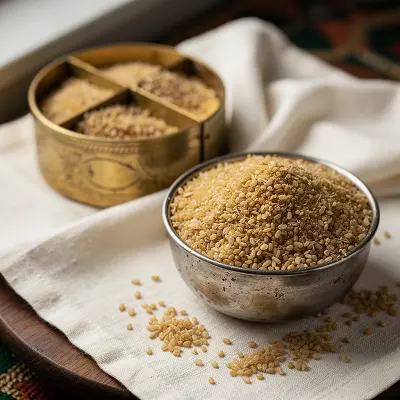
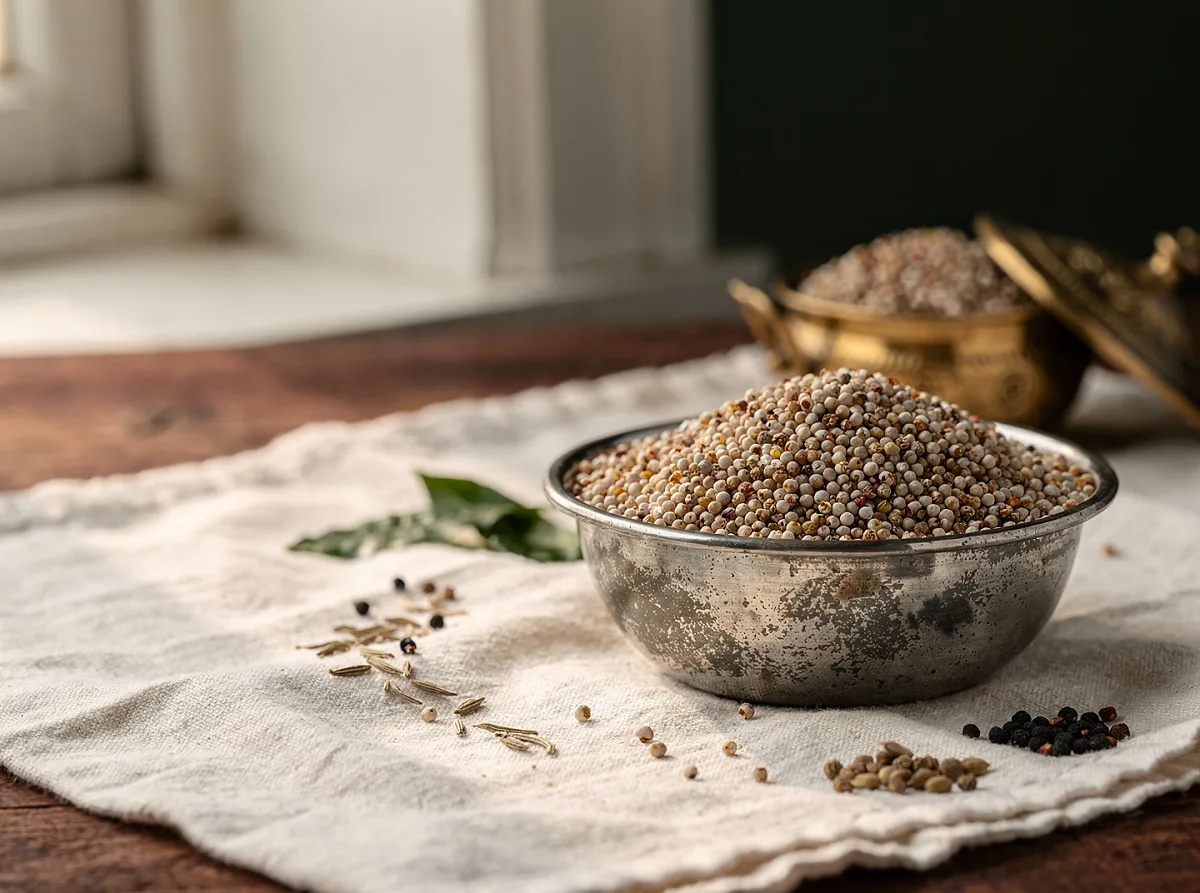
Bajra is a small, round grain belonging to the millet family, scientifically known as pearl millet. It thrives in arid and semi-arid climates and has been cultivated across India for over 4,000 years. The grain is typically pale yellow or grey, and is most commonly used as flour for everyday flatbreads and porridges in Indian kitchens (IFCT 2017, Ref #A003).
Use in Indian Kitchen
Bajra holds a special place in North and West Indian cooking, particularly in Rajasthan, Gujarat, and parts of Maharashtra, where it is a monsoon and winter staple. The flour is rolled into thick, rustic rotis (bajra ki roti) that pair beautifully with ghee, jaggery, and seasonal vegetables. In Gujarat, bajra is also made into khichdi with moong dal and spices, while in Rajasthan it features in traditional breakfast porridges mixed with milk and jaggery. Beyond rotis, bajra flour is used for savoury snacks like bhakri and sweet treats like laddoos. The grain's earthy, slightly nutty flavour and dense texture make it a comfort food across generations - many Indian grandmothers still grind fresh bajra at home for the family's daily bread.
Ayurvedic Connection
In Ayurveda, bajra is considered warming (ushna virya) and grounding, making it particularly valued during cooler months and for balancing vata dosha. Its heavy, nourishing quality (guru guna) is believed to support strength and stamina. Traditionally, bajra porridge with ghee and jaggery has been recommended as a winter tonic for sustained energy and digestive warmth.
Key Nutrients
Bajra is a good source of dietary fibre, plant-based protein, and essential minerals including phosphorus, magnesium, iron, and zinc. It also contains B vitamins, particularly niacin and thiamine. Being naturally gluten-free, it is a safe grain for those with coeliac sensitivity. Exact nutrient composition per 100g is documented in IFCT 2017, Ref #A003.
Health Benefits (Evidence-based)
- May support steady blood sugar levels due to its low glycaemic index and high fibre content, making it a suitable grain for balanced energy throughout the day.
- Linked to improved digestive health through its fibre content, which supports regular bowel function and gut microbiota.
- Rich in minerals like magnesium and phosphorus, which may help maintain bone strength and mineral density over time.
- Contains polyphenols and antioxidants that may help reduce oxidative stress in the body.
- Naturally gluten-free, making it a safe and nourishing choice for those avoiding gluten.
- High protein content (for a grain) may support muscle maintenance and satiety when included regularly in meals.
Culinary Uses (Vegetarian)
- Bajra ki roti: thick, rustic flatbread served with ghee, jaggery, or seasonal sabzi.
- Bajra khichdi: comfort porridge made with moong dal, ghee, and spices.
- Bajra porridge: warm breakfast with milk, jaggery, and a pinch of cardamom.
- Bhakri: crispy, savoury millet flatbread, a Maharashtrian favourite.
- Bajra laddoos: sweet energy balls made with bajra flour, jaggery, and ghee.
- Bajra upma: savoury millet porridge with vegetables and tempering.
- Bajra flour snacks: used in traditional namkeen and baked goods for a nutty depth.
Caution
- Bajra contains goitrogens in small amounts; those with thyroid concerns should consume it as part of a varied diet rather than as the sole grain.
- High fibre content may cause bloating or digestive discomfort if introduced suddenly in large quantities; increase intake gradually.
- Store away from moisture and pests to prevent mould or insect infestation, which can reduce nutritional quality.
References
- Indian Council of Medical Research - National Institute of Nutrition (ICMR-NIN). Indian Food Composition Tables 2017 (IFCT 2017). Reference #A003 - Cereals and Millet category.
- Saleh, A. S. M., Zhang, Q., Chen, J., & Shen, Q. (2013). Millet grains: nutritional composition, health benefits, and utilization for food and feed. Comprehensive Reviews in Food Science and Food Safety, 12(3), 281-295.
Health Benefits
- Provides Energy
- Supports Digestion
- Supports Heart Health
- Helps Blood Sugar Control
- Provides Iron
Sourcing & Storage
Storage
Store bajra grain or flour in an airtight, food-grade container in a cool, dry place away from direct sunlight and moisture. In humid Indian climates, keep the container in a cupboard or pantry with good ventilation. Bajra flour is more prone to rancidity than whole grain; store flour in smaller quantities and keep the main stock sealed tightly. Avoid storing near spices or strong-smelling foods, as bajra can absorb odours. In monsoon or high-humidity seasons, consider adding a food-safe desiccant packet to the container to prevent moisture absorption.
Shelf Life
Whole bajra grain, when stored properly in an airtight container in a cool, dry place, can last 6-8 months or longer. Bajra flour has a shorter shelf life of 2-3 months due to the increased surface area exposed to air and potential for oil oxidation. Once opened, use flour within 4-6 weeks for best flavour and nutritional quality. In very hot or humid climates, refrigeration can extend flour shelf life to 2-3 months; store in an airtight container to prevent condensation.
Check Before You Buy
When buying bajra grain, look for uniform, small round grains with a pale yellow or greyish colour and no visible discolouration, dust, or debris. The grains should feel dry and firm to the touch; avoid any that feel damp or clumpy, as this indicates moisture or mould. Smell the grain - it should have a mild, slightly earthy aroma with no musty or off odours. Check the packaging for the harvest date and expiry; fresher grain (within 6 months of harvest) will have better flavour and nutrition. If buying from a mandi or loose from a kirana shop, ask the vendor when the stock arrived and inspect a small handful before purchasing in bulk. Avoid grains with visible insect damage, broken pieces, or an unusually strong smell, which may indicate poor storage or adulteration.
In Ayurveda
Bajra (pearl millet) is highly regarded for its nutritional and medicinal properties. It is considered a wholesome grain that helps balance the body's doshas, particularly benefiting those with vata and kapha imbalances due to its warming nature. Bajra is rich in fiber, vitamins, and minerals, promoting digestive health and providing sustained energy. Its low glycemic index makes it suitable for managing blood sugar levels, making it beneficial for individuals with diabetes. Bajra is often used to prepare porridge or khichdi, which is believed to help strengthen the immune system and provide relief from digestive issues.
Additionally, bajra flour can be applied as a paste for soothing skin irritations, showcasing its versatility beyond nutrition.