Barley
Hordeum vulgare · Also known as Jau
Barley (jau) is a hardy cereal grain widely used in Indian kitchens for porridges, breads, and traditional remedies. Rich in fibre and minerals, it brings a mild, slightly sweet flavour to everyday meals and has been valued in Ayurvedic practice for centuries (IFCT 2017, Ref #A00...
Nutrition per 100 g
Mean values ± IFCT published SD (edible portion).
More macros
Classification
About Barley
What it is
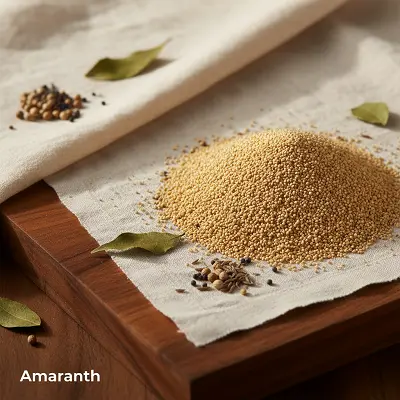
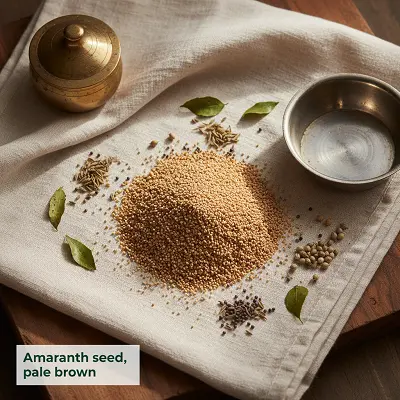
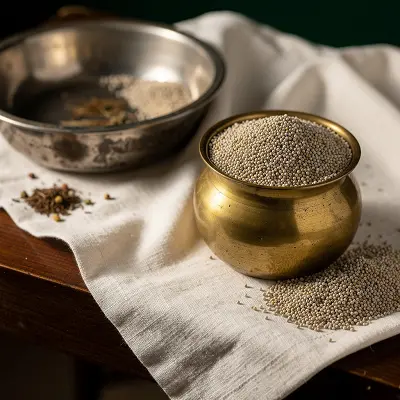
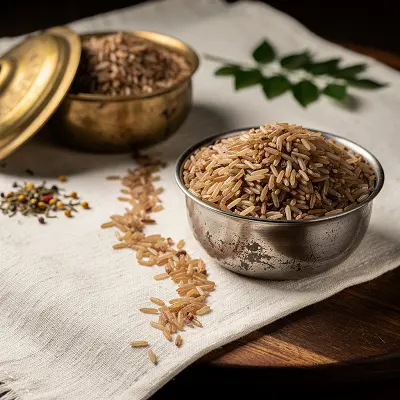
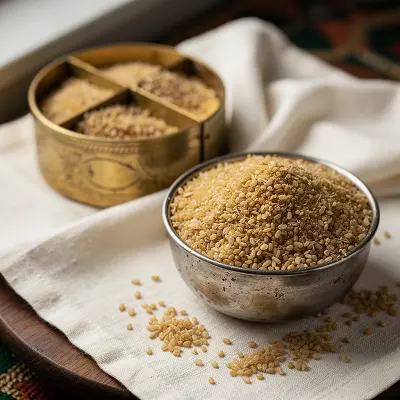
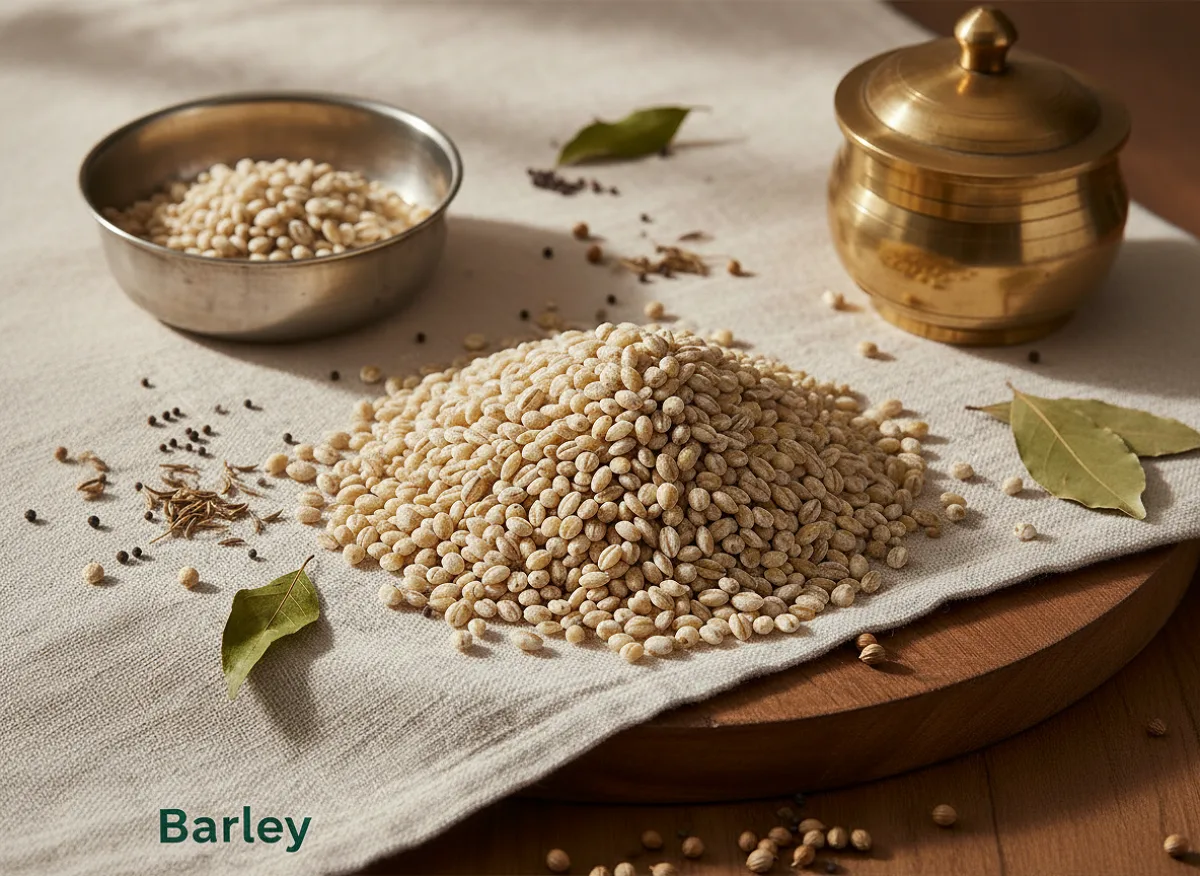
Barley is a cereal grain belonging to the grass family, cultivated across India for thousands of years. It has a pale golden colour, oblong shape, and a slightly chewy texture when cooked. Commonly available as whole grains, pearled barley (polished), or barley flour, it is a staple in North Indian and Himalayan kitchens (IFCT 2017, Ref #A004).
Use in Indian Kitchen
In North India and the hills, barley is ground into flour for rotis and breads, particularly during winter months. It is also cooked as a porridge (jau ka daliya) for breakfast, mixed with other grains, or used in traditional barley water - a cooling drink valued in summer. South Indian kitchens use it less frequently, but it appears in some regional mixes. Barley has a gentle, earthy flavour that pairs well with ghee, jaggery, and warming spices. Traditionally, it was considered a grain for strength and endurance, often given to athletes and those doing heavy labour.
Ayurvedic Connection
Barley is regarded as cooling (sheeta virya) and light (laghu) in Ayurvedic texts, making it suitable for balancing Pitta dosha. It is traditionally used in barley water (jau ka pani) as a home remedy for fever, urinary discomfort, and digestive sluggishness. Its mild nature makes it gentle on the digestive system, and it is often recommended during convalescence or for those with sensitive digestion.
Key Nutrients
Barley is a good source of dietary fibre, particularly beta-glucan, which supports digestive and heart health. It contains B vitamins (thiamine, niacin, folate), minerals including manganese, phosphorus, magnesium, and iron, and plant compounds with antioxidant properties. Exact nutrient composition varies by variety and processing; refer to IFCT 2017 for detailed micronutrient profiles.
Health Benefits (Evidence-based)
- May help support digestive health and regular bowel function due to high soluble fibre content.
- Linked to heart health through beta-glucan, which may help maintain healthy cholesterol levels.
- Provides sustained energy and helps maintain steady blood sugar levels when part of a balanced meal.
- Contains antioxidants and minerals that support overall immune and bone health.
- Traditionally used as a cooling, easily digestible grain for recovery and gentle nourishment.
Culinary Uses (Vegetarian)
- Barley flour rotis and breads, especially in North Indian and Himalayan cooking.
- Barley porridge (jau ka daliya) with ghee, jaggery, and warming spices for breakfast.
- Barley water (jau ka pani) - a traditional cooling drink, plain or with lemon and honey.
- Mixed grain dal and rice dishes, adding texture and nutrition.
- Barley flour in traditional sweets and ladoos when combined with ghee and jaggery.
Caution
Barley contains gluten and is not suitable for those with coeliac disease or gluten sensitivity. Those with weak digestion should introduce barley gradually and in small quantities. If you have a known grain allergy or are taking medications that interact with high-fibre foods, consult a healthcare provider before making barley a regular part of your diet.
References
- Indian Council of Medical Research - National Institute of Nutrition (ICMR-NIN). Indian Food Composition Tables (IFCT) 2017. Reference #A004 (Cereals and Millet category).
- Vaya, A. & Mahmood, S. S. (2006). Barley beta-glucan and cardiovascular health. Nutrition Reviews, 64(10), 422-429.
Health Benefits
- Supports Digestion
- Supports Heart Health
- Helps Blood Sugar Control
- Provides Sustained Energy
- Lowers Cholesterol
Sourcing & Storage
Storage
Store barley grains in an airtight container in a cool, dry place away from direct sunlight and moisture. In humid Indian climates, keep the container in a cupboard or pantry with good ventilation. Barley flour should be stored similarly, or refrigerated in an airtight jar to prevent rancidity, especially during monsoon or summer months. Keep away from strong-smelling foods and spices.
Shelf Life
Whole barley grains, when stored in an airtight container in a cool, dry place, remain fresh for 6-8 months. Barley flour has a shorter shelf life of 3-4 months at room temperature; refrigeration extends it to 6 months. Once opened, use within the stated period and check for any off-smell or moisture before cooking.
Check Before You Buy
When buying barley from a mandi or kirana shop, look for grains that are uniform in colour (pale golden), free from dust, debris, or discolouration. Avoid grains that feel damp or have a musty smell, which indicate poor storage. If buying packaged barley, check the manufacturing and expiry dates, and ensure the packet is sealed and undamaged. Whole grains should feel dry and hard when pressed between your fingers. Barley flour should be fine, free-flowing, and without lumps or insect damage.
In Ayurveda
Barley is an important grain due to its rich nutritional profile, offering essential vitamins, minerals, and high fiber content. It supports digestive health, aids in weight management, and helps maintain heart health by lowering cholesterol levels. Its low glycemic index makes it beneficial for individuals managing blood sugar. Also Barley is often used in the form of barley water to promote hydration and soothe digestive issues. Barley flour can also be utilized to create soothing pastes for skin irritations, highlighting its versatility in natural health practices.