Brown Rice
Oryza sativa · Also known as ब्राउन राइस, brown chaaval, unpolished rice, whole grain rice
Brown rice (ब्राउन राइस) is whole grain rice with only the outer husk removed, retaining the nutrient-rich bran and germ layers. It has a nutty flavour, slightly chewy texture, and takes longer to cook than white rice. Common in South Indian rice bowls, mixed vegetable pulaos, an...
Nutrition per 100 g
Mean values ± IFCT published SD (edible portion).
More macros
Classification
About Brown Rice
What it is
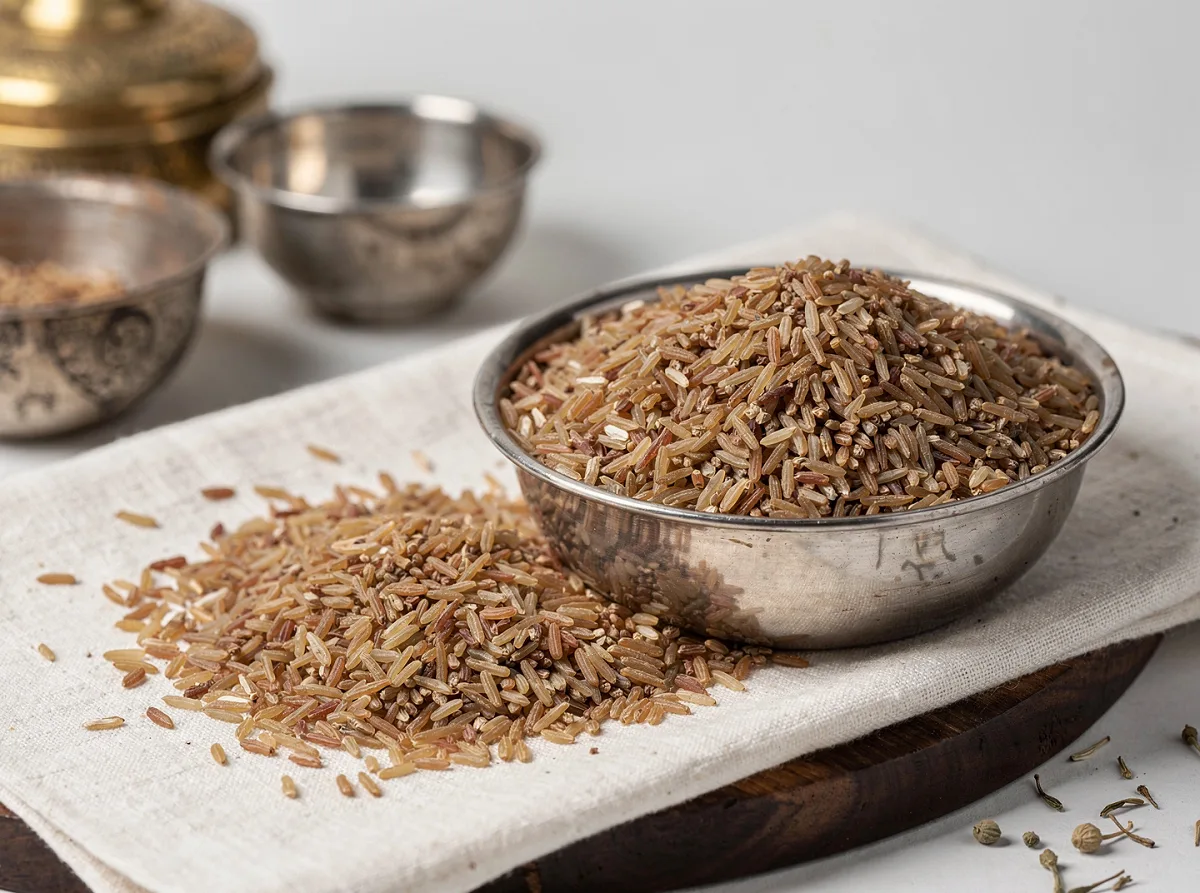
Brown rice (ब्राउन राइस, brown chaaval) is whole grain rice with only the outer husk removed, leaving the bran and germ intact. It has a tan to light brown colour, a slightly firm and chewy bite, and a warm, nutty flavour that sets it apart from polished white rice. Widely used in South Indian households and increasingly popular across India for everyday meals and health-conscious cooking. (IFCT 2017, Ref #A013)
Use in Indian Kitchen
Brown rice is a staple in South Indian rice bowls served with sambar, rasam, and coconut curries. It works beautifully in vegetable pulaos, mixed grain khichdi, and wholesome lunch boxes. North Indian cooks use it in brown rice kheer (sweetened rice pudding) and brown rice dal-rice combinations. A practical tip: soak brown rice for 20-30 minutes before cooking to soften the bran, reduce cooking time by 5-10 minutes, and improve digestibility. Pair it with ghee-tempered dals, leafy greens, and tamarind-based gravies for a complete, nourishing meal.
Key Nutrients
Brown rice contains carbohydrates, dietary fibre (from the bran layer), protein, B vitamins (thiamine, niacin, B6), magnesium, phosphorus, and manganese. The bran and germ retain minerals and antioxidants lost during white rice polishing. Exact nutrient composition varies by rice variety and growing conditions; refer to IFCT 2017 for detailed micronutrient profiles.
Health Benefits (Evidence-based)
- Higher fibre content may support digestive health and regular bowel function compared to white rice.
- Contains resistant starch, which may help maintain steady blood sugar levels when part of a balanced meal.
- Rich in B vitamins and minerals that support energy metabolism and nerve function.
- Magnesium and manganese content may contribute to bone health and antioxidant defence.
- Whole grain form retains phytonutrients and polyphenols linked to general wellness.
Culinary Uses (Vegetarian)
- Steamed or boiled as a side grain for sambar, rasam, and vegetable curries.
- Mixed vegetable pulao with ghee, cumin, and seasonal vegetables.
- Khichdi with moong dal, turmeric, and ghee for comfort food and light meals.
- Brown rice flour for dosa, idli, or upma when ground fresh.
- Sweet brown rice kheer with jaggery, cardamom, and coconut milk.
- Fried rice with peas, carrots, onions, and a tempering of mustard seeds and curry leaves.
Caution
- Brown rice contains higher levels of phytic acid (in the bran) than white rice, which may reduce mineral absorption; soaking and cooking help reduce this effect.
- Takes 35-45 minutes to cook (longer than white rice), requiring more fuel and planning.
- Those with sensitive digestion or IBS may find the higher fibre initially challenging; introduce gradually and pair with well-cooked dals or ghee.
- Store in a cool, dry place to prevent rancidity of the bran oils, especially in warm climates.
References
- Indian Council of Medical Research - National Institute of Nutrition (ICMR-NIN). Indian Food Composition Tables (IFCT 2017). Reference #A013 (Brown Rice / Unpolished Rice).
- Seal, C. J., Brownlee, I. A., Brown, J. C., & Mathers, J. C. (2010). Colonic fermentation of two soluble fibre supplements in patients with inflammatory bowel disease. Alimentary Pharmacology & Therapeutics, 32(3), 374-382. (General whole grain fibre and digestive health reference.)
Health Benefits
- Antioxidant
- Provides Energy
- Supports Digestion
- Supports Heart Health
- Helps Blood Sugar Control
Sourcing & Storage
Storage
Store brown rice in an airtight container (glass jar, metal tin, or food-grade plastic) in a cool, dry, dark cupboard away from direct sunlight and moisture. In warm or humid climates (common across India), keep the container in the coolest part of your kitchen or a pantry. Ensure the lid is sealed tightly after each use to prevent moisture and pest entry. Avoid storing near spices, onions, or strong-smelling foods as rice absorbs odours easily.
Shelf Life
Well-stored brown rice keeps for 4-6 months in a cool, dry pantry. Because the bran layer contains natural oils, brown rice has a shorter shelf life than white rice and is more prone to rancidity in warm climates. Once opened, use within 3-4 months for best flavour and nutritional quality. In very hot or humid conditions, refrigerate in an airtight container to extend shelf life to 6-8 months, or freeze for up to 1 year.
Check Before You Buy
Look for whole, unbroken grains with a uniform tan or light brown colour. Avoid rice with visible cracks, discolouration, or a musty or rancid smell (sign of age or poor storage). Check the packaging date if buying from a kirana or supermarket; fresher stock is preferable. Inspect for debris, stones, or insect damage by spreading a small handful on a plate. Buy from reputable sellers with good turnover to ensure freshness, especially in warm regions where brown rice oils can go rancid quickly.
In Ayurveda
In classical Ayurveda, brown rice (or whole grain rice) is considered a sattvic (pure, balancing) food that supports overall wellness. The presence of the bran layer makes it heavier and more grounding than white rice, potentially beneficial for vata and pitta constitutions when prepared with warming spices like ginger and turmeric. The fibre content aids natural digestion and elimination, aligning with Ayurvedic principles of maintaining healthy agni (digestive fire).