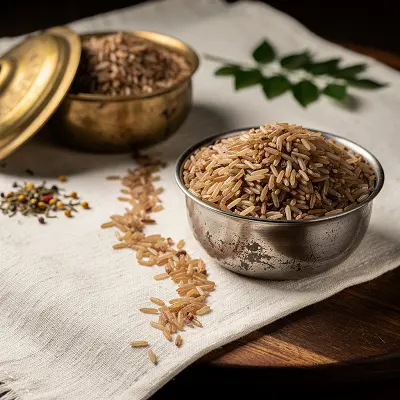
Bulgur
Triticum aestivum · Also known as Bulghur, dalia, cracked wheat, broken wheat, bulgur wheat
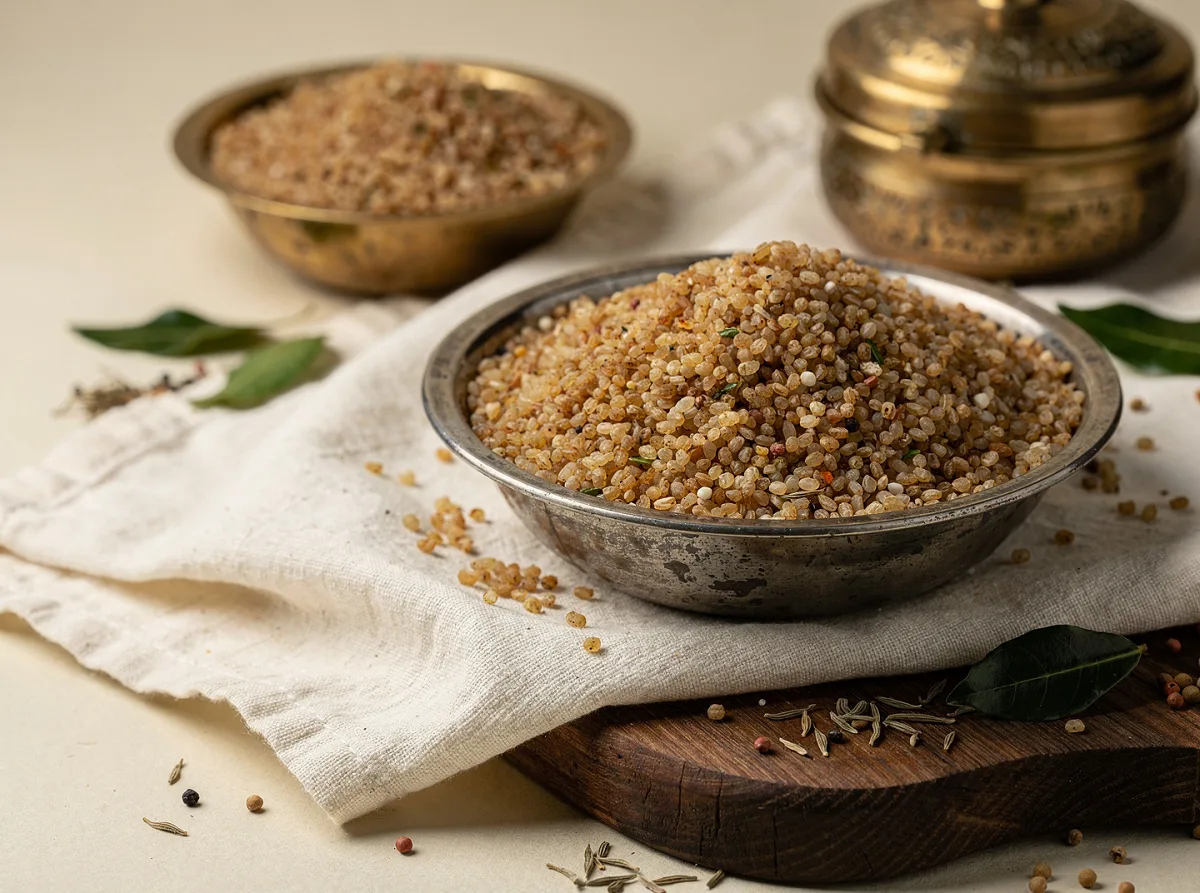
Bulgur is cracked and parboiled wheat grains, a quick-cooking whole grain staple across Middle Eastern and Indian kitchens. Golden-brown, nutty, and tender when cooked, it absorbs flavours readily and needs no soaking. Use it in khichdi, upma, pilaf, or as a wholesome rice substi...
Nutrition per 100 g
Mean values ± IFCT published SD (edible portion).
More macros
Classification
About Bulgur
What it is
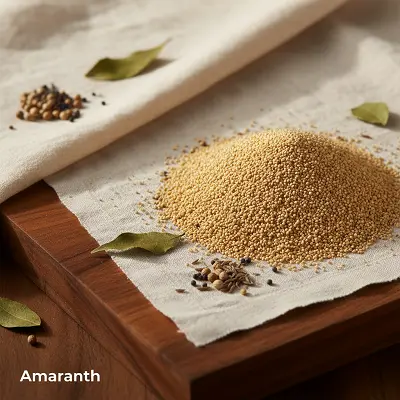
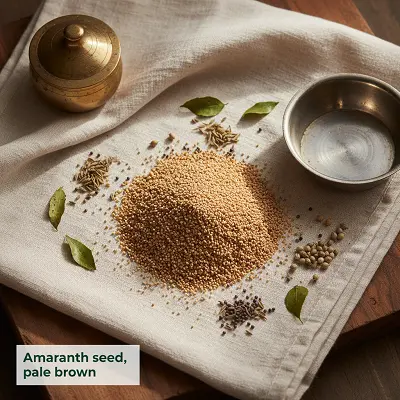
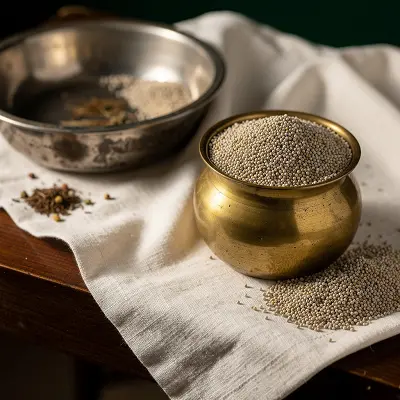
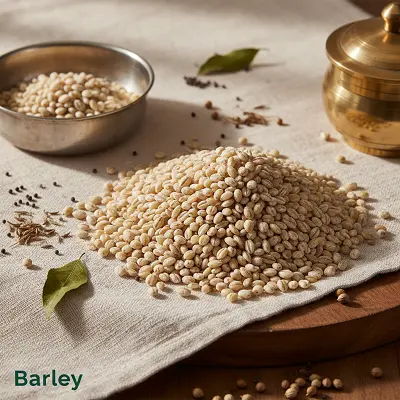
Bulgur is wheat grain that has been cleaned, cooked, dried, and then cracked into coarse or fine pieces. The parboiling step means it cooks in 10-15 minutes, making it one of the fastest whole grains to prepare. Golden-brown in colour with a slightly chewy, nutty texture, bulgur retains the bran and germ, offering genuine whole-grain nutrition. It is widely used in Indian home cooking as a quick dalia or porridge, and increasingly popular in modern Indian kitchens as a rice alternative. (IFCT 2017, Ref #A021)
Use in Indian Kitchen
Bulgur shines in everyday comfort dishes: savoury dalia with vegetables and tempering of cumin and asafoetida, upma-style preparations with peas and carrots, or simple khichdi with moong dal and ghee. In South Indian homes, it appears in breakfast porridges and lunch bowls. Northern kitchens favour it in pilaf with whole spices, or mixed into vegetable pulao. A practical tip: dry roast bulgur lightly in ghee before adding water to deepen its nutty flavour and prevent mushiness. It pairs beautifully with tamarind, jaggery, or fresh coriander, and absorbs the warmth of tempering spices without losing its texture.
Key Nutrients
Bulgur is rich in dietary fibre, plant-based protein, B vitamins (especially niacin and thiamine), and minerals including manganese, magnesium, and phosphorus. It contains polyphenols and lignans, plant compounds with antioxidant properties. Being a whole grain, it retains the nutrient-dense bran and germ layers.
Health Benefits (Evidence-based)
- May support digestive health due to high insoluble fibre content, promoting regular bowel movement.
- Linked to stable blood sugar levels when consumed as part of a balanced meal, owing to its low glycaemic index.
- Plant-based protein and fibre may help sustain satiety and support weight management.
- Polyphenols and B vitamins traditionally associated with energy metabolism and nervous system support.
- Whole-grain consumption linked to reduced risk of chronic diseases in long-term dietary studies.
Culinary Uses (Vegetarian)
- Breakfast dalia or porridge with vegetables, ghee, and tempering.
- Upma-style preparation with peas, carrots, and roasted cashews.
- Khichdi with moong dal, turmeric, and ghee for comfort meals.
- Pilaf with whole spices (cinnamon, cardamom, bay leaf) and mixed vegetables.
- Salad base with cucumber, tomato, fresh herbs, and lemon dressing.
- Stuffing for bell peppers or tomatoes mixed with paneer and spices.
- Porridge sweetened with jaggery and flavoured with cardamom for festive breakfasts.
Caution
- Contains gluten; unsuitable for those with coeliac disease or gluten sensitivity.
- High fibre content may cause bloating or digestive discomfort if introduced suddenly in large quantities; increase intake gradually.
- Store away from moisture and pests to prevent mould or insect infestation, especially in humid climates.
References
- Indian Council of Medical Research - National Institute of Nutrition (ICMR-NIN). Indian Food Composition Tables 2017 (IFCT 2017). Reference #A021 - Cereals and Millet category.
- Slavin, J. L., & Lloyd, B. (2007). Health benefits of fruits and vegetables. Advances in Nutrition, 8(3), 511-521. (General whole-grain and fibre evidence base.)
Health Benefits
- Supports Digestion
- Supports Heart Health
- Provides B Vitamins
- Provides Minerals
- Helps Blood Sugar Control
Sourcing & Storage
Storage
Store bulgur in an airtight container in a cool, dry place away from direct sunlight and moisture. In humid Indian climates, keep it in a sealed glass jar or food-grade plastic container with a tight lid. Refrigeration is optional but extends shelf life in warm, monsoon-prone regions. Keep away from strong-smelling foods, as bulgur absorbs odours easily.
Shelf Life
Unopened, bulgur keeps for 6-8 months in a cool pantry. Once opened and stored in an airtight container, it remains fresh for 3-4 months at room temperature, or up to 6 months in the refrigerator. In very humid conditions, refrigeration is recommended to prevent moisture absorption and rancidity of the bran oils.
Check Before You Buy
Look for uniform golden-brown colour and a dry, granular texture with no clumping or moisture. Smell should be mild and nutty, not musty or off. Check the packaging date and avoid any bags with visible insects, discolouration, or oil stains. Buy from reputable kirana shops or packaged brands with clear labelling; loose bulk bulgur from open bins in humid markets may have absorbed moisture or been exposed to pests.
In Ayurveda
Bulgur, being a processed form of wheat (Triticum aestivum), carries the inherent qualities of wheat in Ayurvedic tradition. Wheat is considered warming (ushna virya) and grounding, with a sweet taste (madhura rasa) and heavy quality (guru guna). In classical Ayurvedic texts, wheat-based preparations like dalia and halwa have been traditionally used to support digestion and provide sustained energy. The cooking process (boiling and drying) makes bulgur easier to digest compared to whole wheat grains. However, Ayurvedic practitioners generally recommend bulgur in moderation for individuals with Kapha predominance due to its heavy nature.