Sweet Corn
Zea mays · Also known as Maize - sweet, Maize - tender - sweet
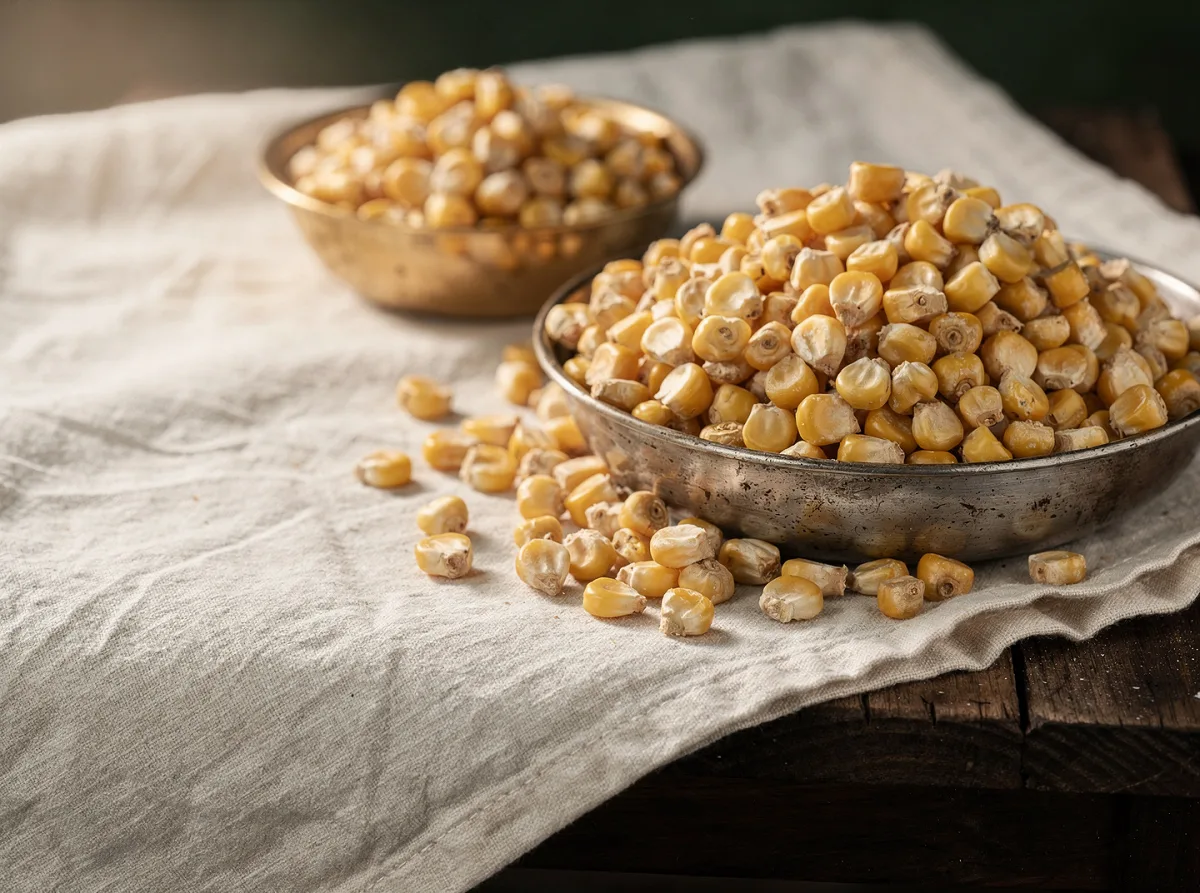
Sweet corn (maize - sweet variety) is a tender, milky grain eaten fresh as a vegetable, prized across Indian kitchens for its natural sweetness and soft kernels. A seasonal favourite in North India and increasingly popular nationwide, it appears in curries, breads, and street foo...
Nutrition per 100 g
Mean values ± IFCT published SD (edible portion).
More macros
Classification
About Sweet Corn
What it is
Sweet corn is a variety of maize (Zea mays) harvested at the milk stage, when kernels are tender, juicy, and naturally sweet. Unlike field corn grown for animal feed or flour, sweet corn is eaten fresh as a vegetable. It is a seasonal crop in India, peaking in winter months (October to February) in North India and available year-round in cooler hill regions. Composition is typically described under IFCT category A - Cereals and Millet.
Use in Indian Kitchen
Sweet corn holds a special place in North Indian home cooking, where it appears in curries, dal-based dishes, and as a filling in parathas and rotis. In South India, it is less traditional but increasingly used in modern vegetable stir-fries and mixed vegetable curries. Street food vendors across metros offer roasted corn with butter, salt, and chaat masala - a beloved monsoon and winter snack. Families often boil or roast fresh ears at home, serve kernels in mixed vegetable sabzi, or blend them into soups and gravies. The tender cob is sometimes used to make stock. Its mild sweetness pairs well with onions, tomatoes, green chillies, and dairy (paneer, curd, ghee), making it a comfort ingredient in everyday cooking.
Key Nutrients
Sweet corn contains carbohydrates (primarily starch and natural sugars), dietary fibre, protein, and B vitamins (thiamine, niacin, folate). It also provides minerals including phosphorus, magnesium, and manganese, along with small amounts of iron and zinc. The yellow varieties are rich in lutein and zeaxanthin (carotenoids). Exact nutrient composition varies by variety and harvest stage; detailed figures are available in IFCT food composition tables under the cereals category.
Health Benefits (Evidence-based)
- May support digestive health due to its dietary fibre content, which aids regular bowel function.
- Provides sustained energy from complex carbohydrates and natural sugars, making it suitable for active individuals.
- Contains antioxidants (lutein, zeaxanthin) linked to eye health and protection against age-related vision changes.
- Offers B vitamins that support energy metabolism and nervous system function.
- The fibre and resistant starch may help maintain healthy blood sugar levels when consumed in moderation as part of a balanced meal.
- Traditionally used in Indian home remedies as a mild, nourishing food for convalescence and general wellness.
Culinary Uses (Vegetarian)
- Roasted or boiled corn on the cob, served with butter, salt, and spice blends (chaat masala, chilli powder).
- Corn kernels in mixed vegetable curries, dal-based gravies, and sambar.
- Filling for parathas, rotis, and stuffed breads.
- Corn soup or cream-based gravies with onions, tomatoes, and spices.
- Corn and paneer stir-fry or sabzi.
- Corn chikhalwali (corn with spiced yoghurt) in North Indian home cooking.
- Ground corn flour (cornmeal) used in some regional breads and batters.
Caution
Sweet corn is generally safe for most people. Those with corn allergies or sensitivities should avoid it. Individuals managing blood sugar levels should consume corn in moderation and pair it with protein and healthy fats to slow sugar absorption. Corn cobs and husks are not edible and should be removed before cooking. Store-bought frozen or canned corn may contain added salt or preservatives - check labels if on a low-sodium diet.
References
- Indian Council of Medical Research - National Institute of Nutrition (ICMR-NIN). Indian Food Composition Tables (IFCT 2017). Category A - Cereals and Millet.
- Gopalan, C., Rama Sastri, B. V., & Balasubramanian, S. C. (2016). Nutritive Value of Indian Foods. National Institute of Nutrition, ICMR, Hyderabad.
Health Benefits
- Antioxidant
- Provides Energy
- Supports Digestion
- Supports Eye Health
- Supports Heart Health
Sourcing & Storage
Storage
Fresh sweet corn is best used within 1-2 days of purchase. Store unhusked ears in the refrigerator's vegetable compartment in a perforated plastic bag or wrapped loosely in damp cloth to retain moisture. Keep away from direct light and ethylene-producing fruits (apples, bananas). If husked, wrap kernels tightly in plastic wrap or store in an airtight container. In warm, humid Indian climates, refrigeration is essential to prevent mould and sprouting. Frozen corn kernels should be kept in airtight freezer bags at -18°C or below.
Shelf Life
Fresh unhusked sweet corn keeps for 1-2 days in the refrigerator under ideal conditions. Once husked and kernels removed, use within 1-2 days. Frozen corn kernels, when properly sealed and stored at -18°C or below, remain good for 8-12 months. Canned or packaged corn should be stored in a cool, dry place and used according to the manufacturer's date; once opened, transfer to an airtight container and refrigerate for up to 3-4 days.
Check Before You Buy
Choose ears with bright green, tightly wrapped husks free of brown spots, mould, or insect damage. Kernels should be plump, milky, and pale to deep yellow (depending on variety), with no shrivelling or discolouration. Gently squeeze the ear - it should feel firm and full, not soft or hollow. Fresh corn has a sweet, mild aroma; avoid ears with a sour or fermented smell. At Indian mandis and kirana shops, ask the vendor to husk a small section so you can inspect the kernels. Avoid pre-husked corn left exposed for long periods, as it dries out quickly. If buying frozen or canned, check the packaging for damage, leaks, or signs of age.
In Ayurveda
Sweet corn is an important staple in many diets, valued for its nutritional benefits and versatility in cooking. Rich in vitamins A, B, and C, as well as fiber and antioxidants, sweet corn supports overall health by promoting good digestion and boosting the immune system. Its natural sweetness makes it a favorite ingredient in various dishes, from salads and soups to snacks and main courses.
In addition to its health benefits, sweet corn is a significant agricultural crop, providing income for farmers and contributing to food security. Its adaptability allows it to thrive in diverse climates, making it accessible to many populations.
Overall, sweet corn is a nutritious and versatile food that plays a crucial role in both personal diets and the agricultural economy.