Samai
Panicum miliare · Also known as Sama, Little millet, Kuri, Shavan, Ganuhaar, Chama, Sava, Suan, Swank
Samai (सामी, sama) is a small, round millet grain with a mild, slightly sweet flavour and delicate texture when cooked. Whole or as flour, it features in South Indian breakfast dishes like samai upma and samai arisi payasam, and works beautifully in khichdi and porridges across I...
Nutrition per 100 g
Mean values ± IFCT published SD (edible portion).
More macros
Classification
About Samai
What it is
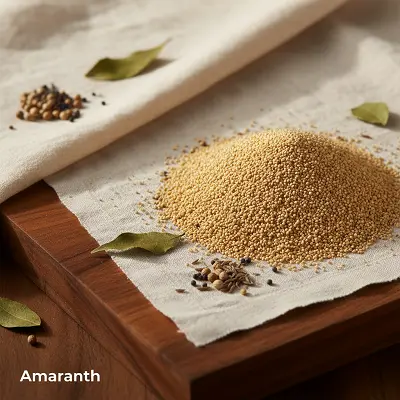
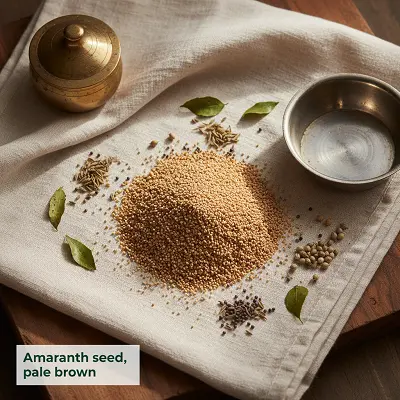
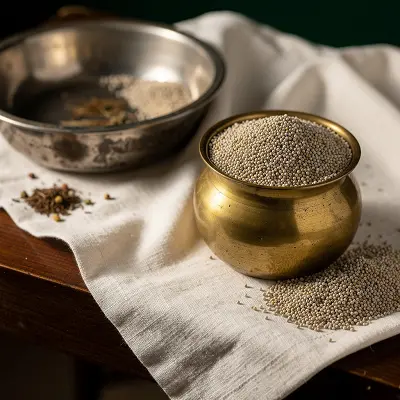
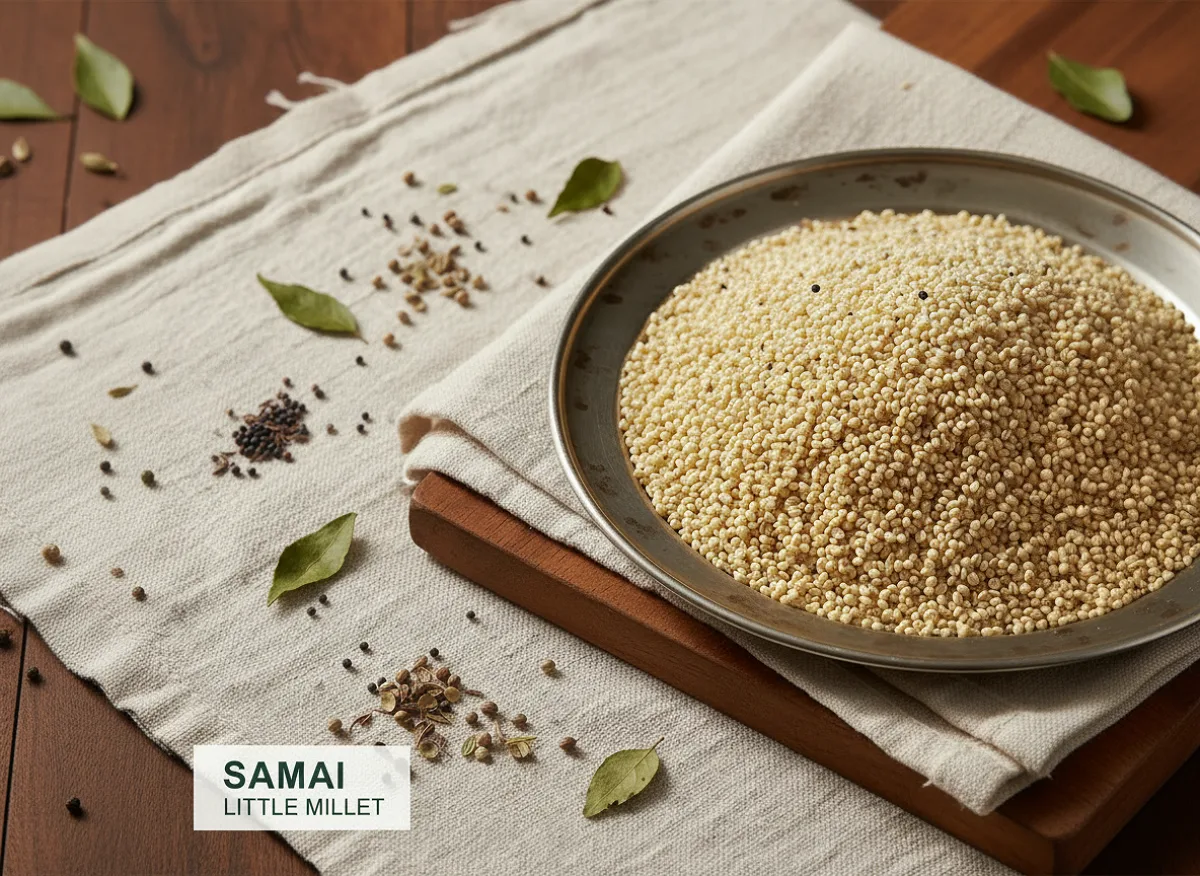
Samai (also called sama, little millet, or shavan in regional dialects) is a tiny, pale golden or cream-coloured millet grain, smaller and rounder than rice. When cooked, it becomes soft and slightly fluffy with a mild, subtly sweet taste and tender bite. Traditionally grown and consumed across South India, particularly Tamil Nadu and Karnataka, samai is sold whole or ground into fine flour for diverse kitchen uses. (IFCT 2017, Ref #A016)
Use in Indian Kitchen
Samai shines in South Indian breakfast dishes: samai upma (tempered with mustard, curry leaves, and vegetables), samai arisi payasam (a creamy, cardamom-scented dessert), and samai rice (a rice substitute in everyday meals). North and East Indian home cooks prepare samai khichdi with ghee and cumin for comfort food and fasting days. Samai flour makes soft, slightly sweet rotis and dosas. A practical tip: rinse samai well before cooking to remove dust, and use a 1:2 grain-to-water ratio for a tender, non-mushy result. It pairs beautifully with ghee, jaggery, and warming spices like cardamom and cinnamon.
Key Nutrients
Samai is a source of carbohydrates, dietary fibre, and plant-based protein. It contains B vitamins (particularly niacin and thiamine), iron, magnesium, and phosphorus. Exact nutrient composition per 100 g is available in IFCT 2017, Ref #A016.
Health Benefits (Evidence-based)
- May support steady blood sugar levels due to its lower glycaemic index compared to polished white rice.
- Dietary fibre content may aid digestive health and regular bowel function.
- Iron and B vitamins contribute to energy metabolism and may help prevent anaemia when consumed regularly.
- Traditionally used in fasting and post-illness recovery diets, valued for its gentle, easily digestible nature.
- Gluten-free grain, suitable for those avoiding wheat and suitable for coeliac-friendly cooking.
Culinary Uses (Vegetarian)
- Samai upma - tempered with mustard seeds, curry leaves, green chilli, and mixed vegetables.
- Samai arisi payasam - cooked with jaggery, ghee, cardamom, and cashews for festive desserts.
- Samai khichdi - comfort dish with ghee, cumin, and salt for everyday meals or fasting days.
- Samai dosa - fermented batter for crispy, slightly sweet crepes.
- Samai flour rotis and flatbreads - soft, mildly sweet bread for lunch or dinner.
- Samai porridge - cooked with milk, jaggery, and spices for breakfast or light meals.
Caution
Samai is generally well tolerated. Those with millet allergies (rare but possible) should avoid. Always rinse thoroughly before cooking to remove any debris or dust. Store in cool, dry conditions to prevent insect infestation or moisture damage, especially in humid climates.
References
- Indian Council of Medical Research - National Institute of Nutrition (ICMR-NIN). Indian Food Composition Tables (IFCT 2017). Reference #A016 - Samai (Panicum miliare).
- Longvah, T., Ananthan, R., Bhaskarachary, K., & Venkaiah, K. (2017). Indian Food Composition Tables. Hyderabad: National Institute of Nutrition, ICMR.
Sourcing & Storage
Storage
Store samai in an airtight glass jar or metal container in a cool, dry place away from direct sunlight and moisture. In humid climates (common across India), keep the container in a cupboard or pantry with good ventilation. Avoid damp areas or near the kitchen stove. If you notice any musty smell or visible moisture, discard and replace. Whole samai stores better than flour; once ground, use flour within 2-3 weeks for best flavour and nutrition.
Shelf Life
Whole samai grain, when stored in an airtight container in a cool, dry place, keeps for 6-8 months. Samai flour has a shorter shelf life of 2-3 weeks due to higher surface area exposure to air and moisture. In warm, humid climates, reduce these timelines by 1-2 months. Once opened, reseal the container tightly after each use to maintain freshness and prevent insect infestation.
Check Before You Buy
When buying samai from a mandi or kirana shop, look for clean, uniform pale golden or cream-coloured grains with no visible dust, debris, or discolouration. Avoid grains that smell musty, feel damp, or show signs of insect damage. If buying packaged samai, check the manufacturing and expiry dates; prefer sealed packs from trusted brands. Whole grain samai is preferable to flour for longer storage and better quality control at home.
In Ayurveda
In classical Ayurveda, samai (little millet) is regarded as a light, easily digestible grain that pacifies Vata dosha. Its sweet taste (rasa) and cool potency (virya) make it particularly suitable for summer consumption and for individuals with sensitive digestion. Traditionally, it has been recommended during convalescence, fever recovery, and as an early grain introduction for infants, owing to its gentle nature on the digestive system.