Rice
Oryza sativa · Also known as Chaaval, चावल, Paddy, White rice, Basmati, Jasmine rice, Brown rice, Parboiled rice
Rice (चावल, chaaval) is the staple grain at the heart of Indian meals - soft, absorbent grains that cook to fluffy perfection and pair with everything from dal and curry to yoghurt and pickle. Whether as steamed rice, biryani, pulao, or ground into flour for dosa and idli, rice f...
Nutrition per 100 g
Mean values ± IFCT published SD (edible portion).
More macros
Classification
About Rice
What it is
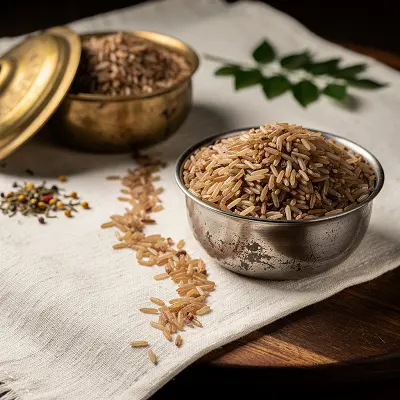
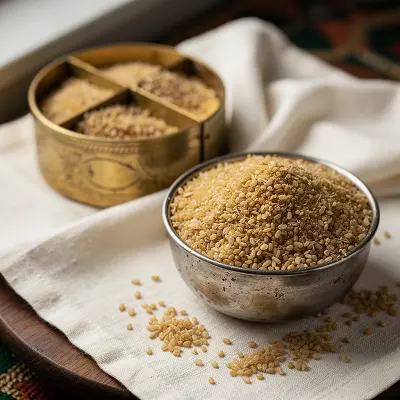
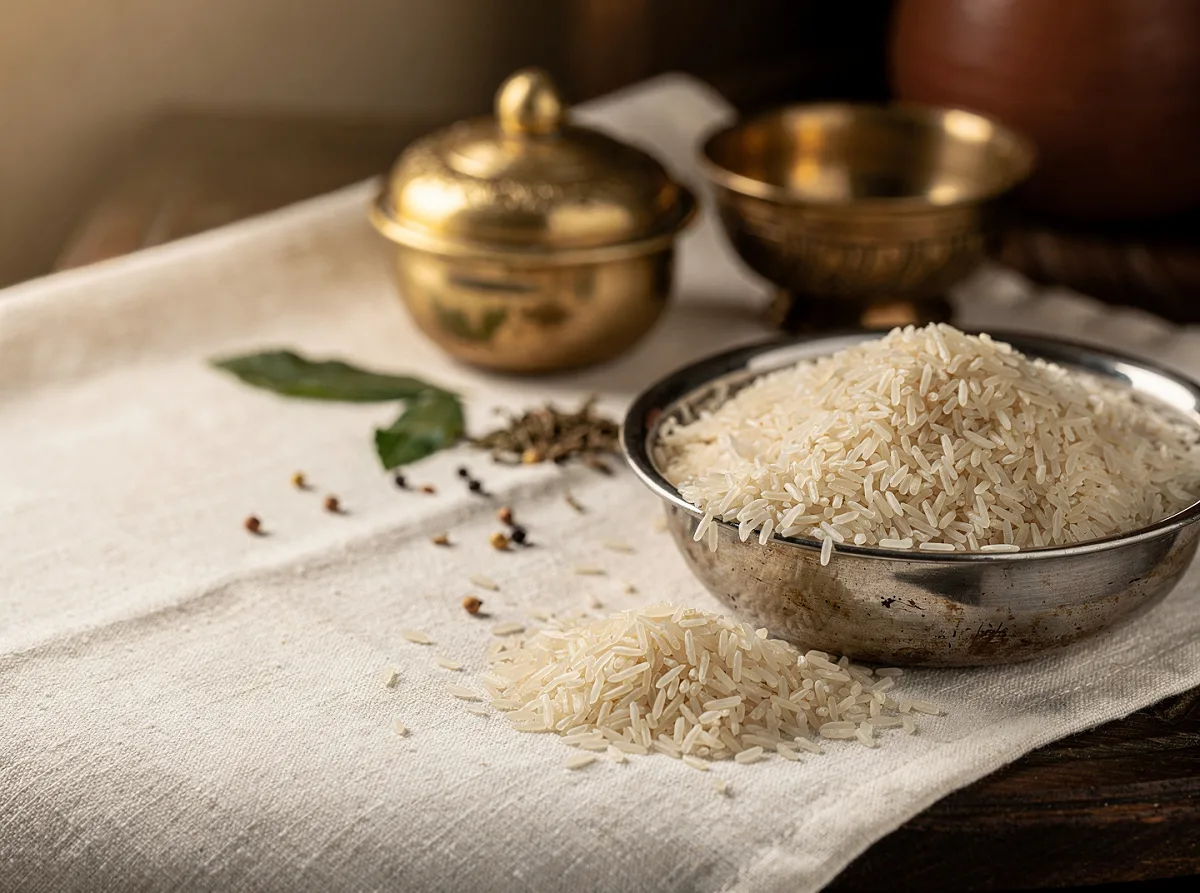
Rice (चावल, chaaval) is the grain of the rice plant (Oryza sativa), harvested, dried, and milled to remove the husk and bran layers. The result is a small, smooth, translucent or opaque grain that cooks tender and absorbs flavour readily. India grows dozens of varieties - long-grain basmati prized for biryani and pulao, short-grain varieties for everyday meals, and parboiled rice that holds its shape. Rice is the primary staple across India, from Kerala's coconut rice to Punjab's khichdi to Bengal's steamed rice with fish curry. (IFCT 2017, Ref #A015)
Use in Indian Kitchen
Rice is the canvas of Indian home cooking. Boiled plain rice (chawal) accompanies dal, sabzi, and raita at lunch and dinner. Ground into flour, it becomes dosa, idli, and appam in South India; mixed with jaggery and ghee for payasam and kheer. Tempered with ghee, cumin, and peas, it transforms into simple pulao; layered with meat or vegetables, it becomes biryani. In the North, rice flour goes into khichdi with moong dal and ghee - comfort food for the unwell. Parboiled rice, with its nutty flavour, suits sambar rice and everyday meals. A pinch of turmeric and salt while cooking lifts the grain's natural sweetness.
Key Nutrients
Rice is primarily carbohydrate (starch), providing energy. White rice contains B vitamins (thiamine, niacin, riboflavin) - often fortified in packaged varieties. Brown rice retains the bran and germ, offering more fibre, magnesium, and phosphorus. All rice contains small amounts of protein and minimal fat. Exact nutrient composition varies by variety and processing; refer to IFCT 2017 for detailed values per 100 g.
Health Benefits (Evidence-based)
- Primary energy source - rice's easily digestible carbohydrates fuel daily activity and brain function.
- Gluten-free grain - safe for those with coeliac disease or gluten sensitivity.
- Gentle on digestion - plain boiled rice is traditionally used in recovery diets and for sensitive stomachs.
- Brown rice linked to sustained energy release and better blood sugar stability compared to white rice, due to retained fibre.
- Fortified rice varieties help address micronutrient gaps (iron, B vitamins) in populations relying heavily on rice.
Culinary Uses (Vegetarian)
- Steamed or boiled rice - everyday accompaniment to dal, curry, and vegetables.
- Pulao and biryani - rice cooked with ghee, spices, and vegetables or paneer.
- Khichdi - rice and moong dal cooked together with ghee and cumin, comfort food.
- Rice flour - dosa, idli, appam, puttu, and rice cakes across South and East India.
- Payasam and kheer - rice cooked with milk, jaggery, and nuts for festive desserts.
- Rice water (kanji) - traditional cooling drink in summer.
- Puffed rice (murmura) - snack and ingredient in chikhalwali and bhel puri.
Caution
- White rice has a higher glycaemic index; those managing blood sugar may prefer brown rice or parboiled varieties.
- Rice bran oil and brown rice can turn rancid if stored in warm, humid conditions; keep in cool, dry places.
- Arsenic can accumulate in rice grown in certain regions; vary grain sources and rinse rice before cooking when possible.
- Rice flour products may contain additives; check labels if you have allergies or sensitivities.
References
- Indian Council of Medical Research - National Institute of Nutrition (ICMR-NIN). Indian Food Composition Tables (IFCT) 2017. Reference code A015 (Rice, white, raw).
- Gopalan, C., Rama Sastri, B. V., & Balasubramanian, S. C. (2016). Nutritive Value of Indian Foods. National Institute of Nutrition, ICMR, Hyderabad.
Health Benefits
- Provides Energy
- Easy Digestion
- Low Allergen
- Quick Energy Source
Sourcing & Storage
Storage
Store rice in an airtight container (glass jar, metal tin, or food-grade plastic) in a cool, dry place away from direct sunlight and moisture. In humid climates, keep the container in a cupboard or pantry with good air circulation. For long-term storage (beyond 6 months), refrigerate or freeze in sealed bags to prevent insect infestation and rancidity, especially for brown rice and rice bran. Keep away from strong-smelling foods, as rice absorbs odours easily.
Shelf Life
White rice, when stored in an airtight container in a cool, dry place, keeps for 4-5 years or longer. Brown rice and parboiled rice, due to retained oils in the bran, have a shorter shelf life of 6-8 months at room temperature; refrigerate or freeze for up to 1 year. Once cooked, rice keeps in the refrigerator for 3-4 days in an airtight container; freeze for up to 3 months. Rice flour should be used within 2-3 months of opening, or refrigerated for longer storage.
Check Before You Buy
Choose rice grains that are uniform in colour and size, free of chips, cracks, or discoloration. Smell the rice - it should have a clean, neutral aroma; musty or off odours indicate age or poor storage. For basmati, check the label for origin and purity; authentic basmati is slender and cooks to separate grains. Avoid rice with visible insects, stones, or debris. Packaged rice should have a clear expiry date and intact seal. If buying from a mandi or loose from a kirana, ask the vendor about the harvest year and storage conditions. Parboiled rice should have a uniform golden hue without white spots.
In Ayurveda
In Ayurveda, rice (particularly white rice) is considered a sattvic food - balancing and nourishing for all three doshas. It is classified as having a sweet taste (madhura rasa), light quality (laghu guna), and cooling potency (sheeta virya). Classical texts recommend rice as easily digestible and strengthening, especially during recovery from illness or for those with sensitive digestion.
Parboiled rice is traditionally valued for retaining more minerals and being more grounding than polished white rice. Brown rice, with its bran intact, is considered more nourishing and grounding for vata imbalance. Rice water (kanji) is a traditional Ayurvedic remedy for digestive upset and cooling in fevers.