Ragi
Eleusine coracana · Also known as Finger millet, Mandua (मंडुआ), Nachni (नाचनी), Kezhvaragu (கேழ்வரகு), Ragi flour, Eleusine coracana
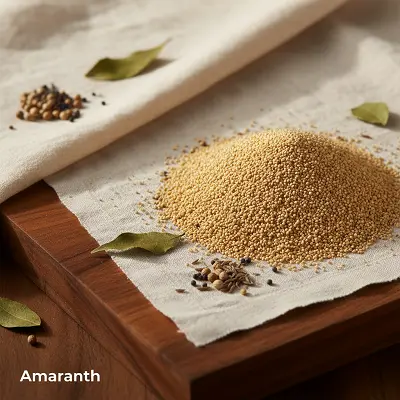
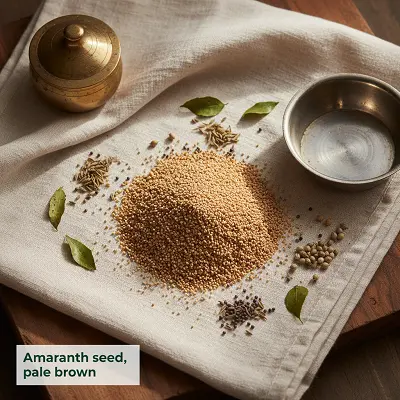
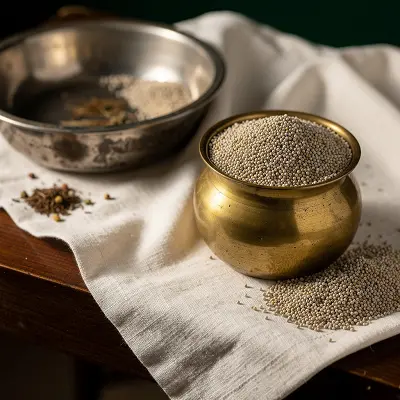
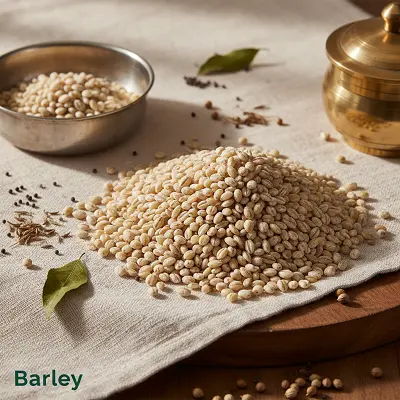
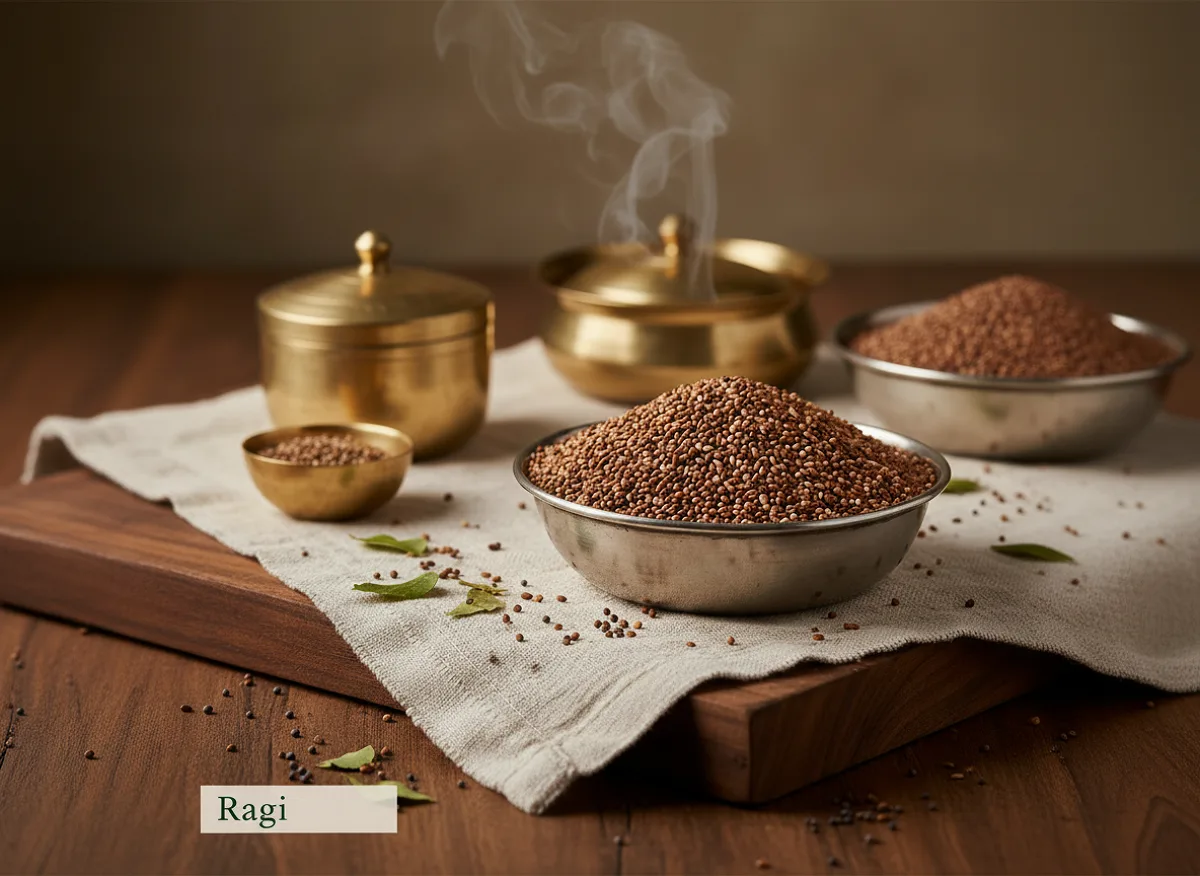
Ragi, or finger millet (मंडुआ, mandua), is a small, round grain ranging from deep red to brown, prized across South and East India for its mild, slightly nutty flavour and exceptional calcium content. Traditionally ground into flour and cooked as porridge, steamed cakes (puttu),...
Nutrition per 100 g
Mean values ± IFCT published SD (edible portion).
More macros
Classification
About Ragi
What it is
Ragi, or finger millet (मंडुआ, mandua in Hindi; நாచனி, nachni in Tamil; കേഴ്വരകു, kezhvaragu in Malayalam), is a tiny, round cereal grain with a hard outer husk, typically deep red, brown, or cream in colour. The grain is naturally gluten-free and has been cultivated across the Indian subcontinent for millennia, particularly in the Deccan plateau and coastal regions. It is most commonly used as flour - either whole grain ground fine or partially decorticated - and forms the backbone of many South Indian breakfast dishes and traditional weaning foods. (IFCT 2017, Ref #A010)
Use in Indian Kitchen
Ragi flour is the soul of South Indian comfort cooking. In Karnataka and Andhra Pradesh, it is steamed into soft puttu (ragi puttu) and served with sambar or chutney; in Tamil Nadu, ragi dosa and ragi idli are breakfast staples. North Indian home cooks mix ragi flour into wheat atta for rotis and parathas, adding a subtle earthiness and binding strength. The grain is also cooked whole as a porridge (ragi kanji) for babies and the elderly, often tempered with ghee and jaggery. A practical tip: soak ragi flour in water or buttermilk for 30 minutes before cooking to improve digestibility and reduce any slight bitterness; this also helps the batter rise better in fermented dishes like dosa.
Key Nutrients
Ragi is exceptionally rich in calcium (around 344 mg per 100 g cooked grain, IFCT 2017), iron, phosphorus, and fibre. It also contains polyphenols and tannins, which contribute to its antioxidant properties. The grain is a good source of plant-based protein and contains all nine essential amino acids in modest amounts, making it a valuable addition to vegetarian and vegan diets.
Health Benefits (Evidence-based)
- May support bone and dental health due to high bioavailable calcium content, particularly beneficial for growing children and postmenopausal women.
- Linked to improved blood sugar regulation and lower glycaemic index compared to refined grains, helping maintain steady energy levels.
- High fibre content may support digestive health and regular bowel function.
- Polyphenols and antioxidants may help reduce oxidative stress and inflammation in the body.
- Naturally gluten-free, making it suitable for those with coeliac disease or gluten sensitivity.
- Traditionally used in Indian home remedies as a gentle, easily digestible grain for infants, convalescents, and the elderly.
Culinary Uses (Vegetarian)
- Ragi puttu - steamed cylindrical cakes served with sambar or coconut chutney.
- Ragi dosa and ragi idli - fermented South Indian breakfast pancakes and steamed cakes.
- Ragi porridge (kanji) - cooked with water or milk, sweetened with jaggery and ghee.
- Ragi rotis and parathas - mixed with wheat flour for added nutrition and texture.
- Ragi mudde - a traditional Karnataka dish of ragi flour cooked into a firm ball, served with curry.
- Ragi flour mixed into chutneys, ladoos, and traditional sweets.
- Ragi flour as a weaning food for infants, cooked into a smooth, creamy paste.
Caution
- Ragi contains tannins and phytic acid, which can inhibit mineral absorption; soaking, sprouting, or fermenting the grain reduces these compounds.
- Those with thyroid conditions should consume ragi in moderation, as it contains goitrogens; cooking and fermentation help mitigate this.
- Whole ragi grain is harder to digest than flour; start with small portions if new to the ingredient.
References
- Indian Council of Medical Research - National Institute of Nutrition (ICMR-NIN). Indian Food Composition Tables (IFCT 2017). Reference #A010 (Cereals and Millet - Ragi).
- Choudhury, P. R., Sharma, G. D., & Sharma, R. (2014). Finger millet: a "certain" crop for an "uncertain" future and a solution to food insecurity and hidden hunger under climate change scenario. Frontiers in Plant Science, 5, 220.
Sourcing & Storage
Storage
Store ragi flour in an airtight container in a cool, dry place away from direct sunlight and moisture. In humid climates (common across India during monsoon), keep the container in a cupboard or pantry with low humidity, or store in the refrigerator in an airtight glass jar to prevent moisture absorption and rancidity. Whole ragi grain should be stored similarly, ideally in a sealed container with a bay leaf or dried neem leaf to deter insects. Keep away from strong-smelling foods, as ragi can absorb odours.
Shelf Life
Ragi flour, when stored in an airtight container in a cool, dry place, keeps for 2-3 months at room temperature. In the refrigerator, it can last 4-6 months; in the freezer, up to 8-12 months. Whole ragi grain, if kept dry and sealed, can last 6-12 months. Once opened, consume within 1-2 months for best flavour and nutritional quality, as the grain's oils can gradually oxidise.
Check Before You Buy
When buying ragi flour from a kirana shop or mandi, look for a fine, uniform texture with a natural earthy colour (deep red, brown, or cream) - avoid flour that appears too pale or has a greyish tinge, which may indicate age or poor storage. Smell the flour; it should have a mild, slightly nutty aroma with no musty or rancid odour. Check the packaging date if buying pre-packed ragi flour, and ensure the packet is sealed and free from moisture or insect damage. Whole ragi grain should be clean, free of debris, and uniform in size; avoid grains that appear shrivelled or discoloured.
In Ayurveda
In classical Ayurveda, ragi is valued as a nourishing and strength-building grain (balya). It is traditionally considered to pacify both Kapha and Vata doshas, making it suitable for most constitutions. Ragi is regarded as light (laghu) and easy to digest (sukha-pachy), which is why it has long been given to postpartum women and growing children in Indian households as a restorative food. The grain is also noted for its grounding and stabilising properties in traditional practice.