Quinoa
Chenopodium quinoa · Also known as Quinoa, Andean grain, superfood millet
Quinoa is a lightweight, nutty-flavoured grain from the Andes, now grown in parts of India and increasingly popular in modern Indian kitchens. Small, pearl-like seeds with a mild, slightly earthy taste and a fluffy texture when cooked. Rich in complete protein (all nine essential...
Nutrition per 100 g
Edible portion values from the master catalog.
More macros
Classification
About Quinoa
What it is
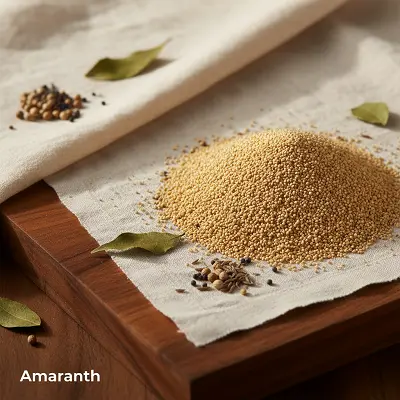
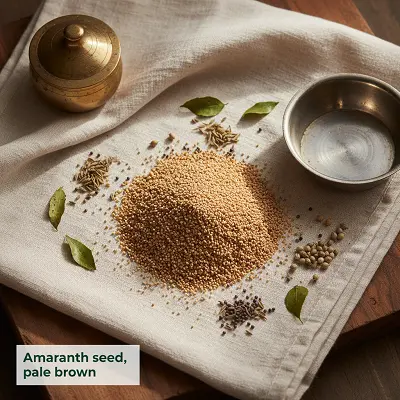
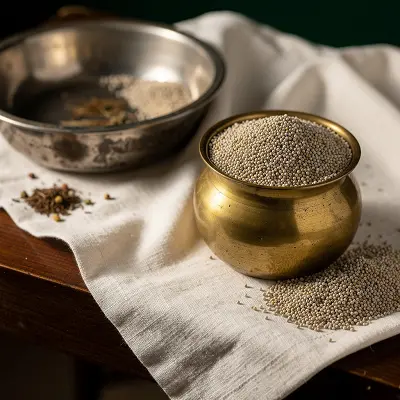
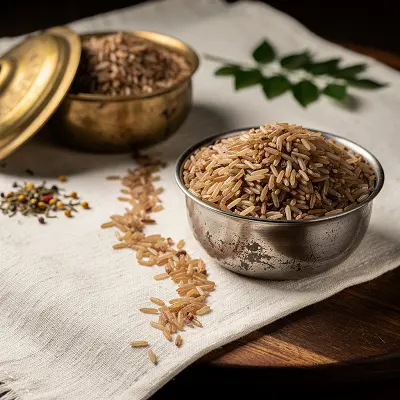
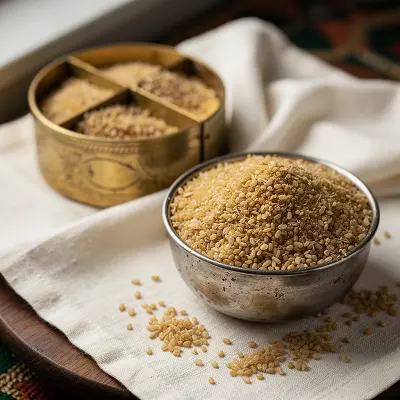
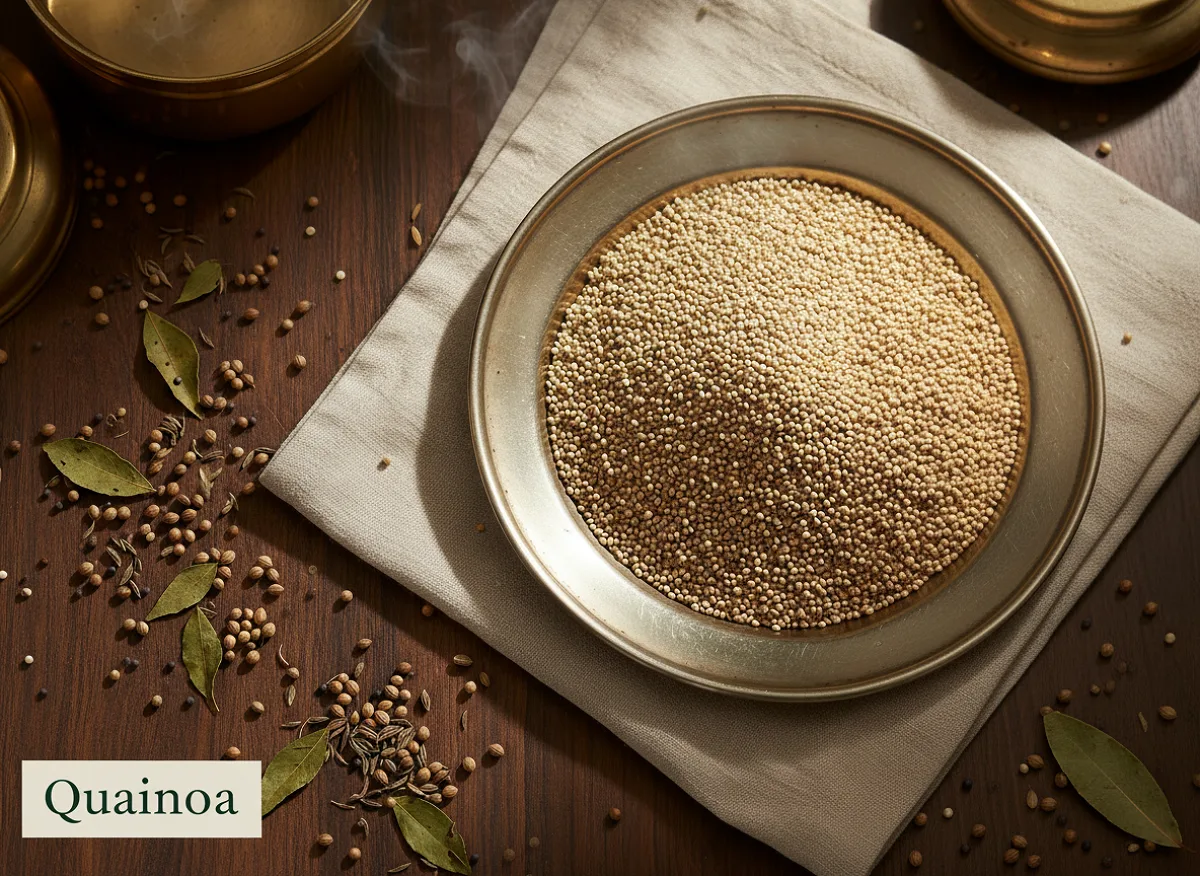
Quinoa is a small, round grain native to the Andes mountains, now cultivated in select regions of India and widely available in urban markets and health food shops. The seeds are pale cream or off-white, with a delicate, slightly nutty flavour and a tender, fluffy texture when cooked. Unlike most grains, quinoa is a complete protein source, containing all nine essential amino acids - a rarity in plant-based foods. It is typically sold as whole dried seeds, ready to cook like rice or dal. (IFCT 2017, Ref #A009)
Use in Indian Kitchen
Quinoa adapts well to Indian vegetarian cooking, though it is still relatively new to traditional home kitchens. It works beautifully in upma (cooked with onions, green chillies, and tempering of mustard and curry leaves), khichdi (mixed with moong dal and vegetables), and as a wholesome substitute for rice in vegetable pulao or biryani. In South Indian homes, it is sometimes used in place of rice for breakfast porridge or mixed into salads with roasted vegetables, lemon juice, and fresh coriander. A practical tip: always rinse quinoa thoroughly under running water before cooking to remove the natural bitter coating (saponin) that clings to the seeds.
Key Nutrients
Quinoa is notably rich in protein (approximately 14 g per 100 g cooked), fibre, magnesium, phosphorus, manganese, and iron. It also contains all nine essential amino acids, making it a complete protein - uncommon in plant-based grains. Contains B vitamins, particularly folate and B6. (IFCT 2017, Ref #A009)
Health Benefits (Evidence-based)
- May support muscle maintenance and repair due to its complete amino acid profile, making it valuable for vegetarians and vegans.
- High fibre content may aid digestive health and help maintain steady blood sugar levels.
- Rich in magnesium and manganese, which are linked to bone health and metabolic function.
- Contains polyphenols and flavonoids, plant compounds traditionally associated with antioxidant activity.
- May help with satiety and weight management due to its protein and fibre density.
Culinary Uses (Vegetarian)
- Upma - cooked with onions, green chillies, ginger, and tempering of mustard seeds and curry leaves.
- Khichdi - mixed with moong dal, vegetables, and ghee for a light, nourishing one-pot meal.
- Vegetable pulao - cooked with carrots, peas, beans, and aromatic spices like cumin and bay leaf.
- Salads - tossed with roasted vegetables, lemon juice, fresh coriander, and a light dressing.
- Breakfast porridge - cooked with milk or plant-based milk, sweetened with jaggery or honey.
- Mixed into dosa or idli batter for added nutrition and texture.
Caution
- Quinoa contains saponins, a natural bitter compound; always rinse thoroughly before cooking to improve taste and digestibility.
- Those with a history of kidney stones should consume in moderation, as quinoa is relatively high in oxalates.
- May cause mild digestive discomfort (bloating, gas) in some people if eaten in large quantities; introduce gradually into your diet.
- Rare allergic reactions have been reported; discontinue if any unusual symptoms appear.
References
- Indian Council of Medical Research - National Institute of Nutrition (ICMR-NIN). Indian Food Composition Tables 2017 (IFCT 2017). Reference #A009 - Cereals and Millet category.
- Vaya, J. & Mahmood, U. (2006). Polyphenol content in plant foods and its effect on health. Current Medicinal Chemistry, 13(12), 1313-1331.
Health Benefits
- Antioxidant
- Supports Digestion
- Supports Heart Health
- Helps Blood Sugar Control
- Supports Muscle Growth
Sourcing & Storage
Storage
Store quinoa in an airtight container in a cool, dry place away from direct sunlight and moisture. In Indian climates with high humidity, keep the container in a cupboard or pantry with a desiccant packet (or a few grains of rice) to absorb excess moisture. Avoid storing near spices or strong-smelling foods, as quinoa can absorb odours. Keep away from pests by ensuring the container is sealed tightly.
Shelf Life
Uncooked quinoa, when stored properly in an airtight container, will keep for 2-3 years. Once cooked, quinoa should be refrigerated in an airtight container and consumed within 3-4 days. Cooked quinoa can also be frozen for up to 2 months; thaw in the refrigerator before reheating.
Check Before You Buy
When buying quinoa, look for whole, uniform seeds with a pale cream or off-white colour. Avoid packets with discoloured, broken, or dusty seeds, which may indicate age or poor storage. Check the packaging date and choose the most recent batch available. Reputable brands sold in health food shops or online platforms are generally reliable; if buying from a mandi or loose from a kirana shop, inspect a small handful for any debris, insects, or moisture before purchasing in bulk. Organic certification is a plus but not essential.
In Ayurveda
Quinoa is not extensively documented in classical Ayurvedic texts, as it is a relatively modern introduction to Indian kitchens. However, based on its properties, it is considered light (laghu), dry (ruksha), and cooling in nature. It may be suitable for pitta-dominant constitutions when prepared with warming spices and ghee. Ayurvedic practitioners sometimes recommend it as a nutritious grain alternative for those seeking variety in their diet, though it is best combined with warming seasonings such as ginger, cumin, and asafoetida to balance its cooling properties.