Khoa
Also known as khoya, mawa, milk solids, evaporated milk product
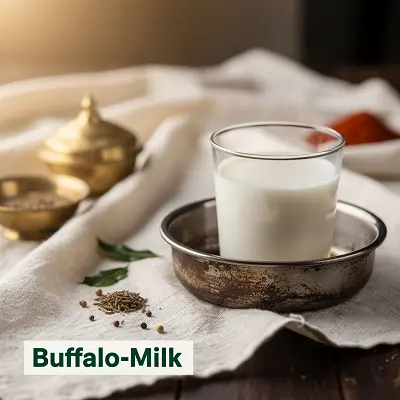
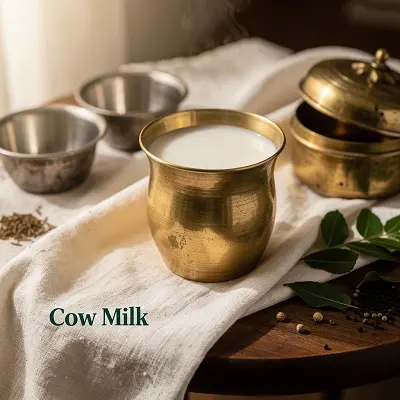
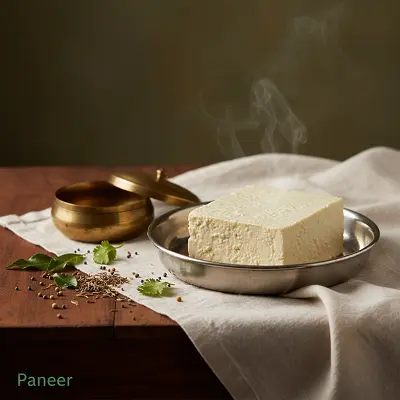
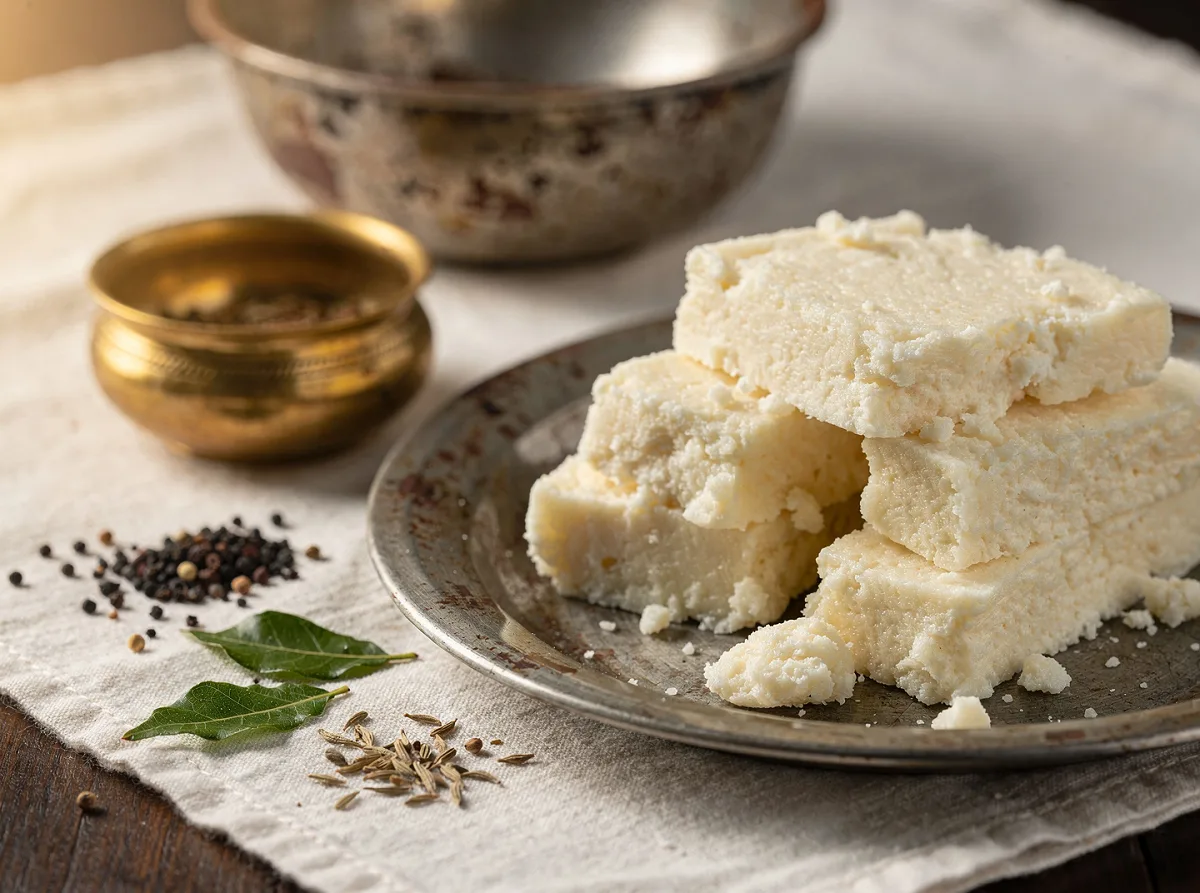
Khoa (also khoya or mawa) is milk reduced slowly over heat until most water evaporates, leaving a dense, fudgy paste of milk solids, fat, and milk proteins. Pale cream to light brown in colour, with a slightly grainy, crumbly texture when cooled, khoa is a cornerstone of Indian s...
Nutrition per 100 g
Mean values ± IFCT published SD (edible portion).
More macros
Classification
About Khoa
What it is
Khoa (खोया, also spelled khoya or mawa) is milk concentrated by slow simmering until roughly 80% of its water content has evaporated, leaving behind a dense, fudgy solid of milk proteins, milk fat, and milk solids. The result is a pale cream to light tan paste with a slightly grainy, crumbly texture when cooled, and a mild, slightly caramelised milk flavour. It is a staple ingredient across North India, particularly in Rajasthan, Gujarat, and Uttar Pradesh, where it forms the foundation of countless traditional sweets and some savoury dishes. (IFCT 2017, Ref #L004)
Use in Indian Kitchen
Khoa is indispensable in Indian mithai (sweets). It is the primary ingredient in barfi (fudgy milk fudge), peda (soft milk tablet), and gulab jamun (when mixed with flour and fried then soaked in syrup). It also enriches kheer (rice pudding), halwa, and burfi varieties. In savoury cooking, khoa appears in some regional khichdi preparations, certain North Indian curries, and traditional savoury khoa-based dishes in Rajasthani and Gujarati home kitchens. A practical tip: khoa absorbs moisture readily, so store it in an airtight container away from humidity; if it becomes hard or oily, gently warm it in a heavy-bottomed pan over low heat, stirring constantly, to restore its crumbly texture before use.
Key Nutrients
Khoa is rich in milk fat, milk proteins (casein and whey), calcium, phosphorus, and milk sugars (lactose). It also contains fat-soluble vitamins including vitamin A and small amounts of B vitamins. Exact nutrient composition varies with the milk source and degree of reduction; refer to IFCT 2017 (Ref #L004) for detailed values.
Health Benefits (Evidence-based)
- High in calcium and phosphorus, supporting bone and tooth health.
- Rich in milk proteins, which aid muscle maintenance and repair.
- Contains fat-soluble vitamin A, linked to eye health and immune function.
- Provides readily available energy from milk fat and lactose.
- Traditionally used in Indian sweets served at festivals and celebrations, contributing to cultural and social wellness practices.
Culinary Uses (Vegetarian)
- Barfi and peda - the primary base for these iconic milk fudges.
- Gulab jamun - mixed with flour and fried, then soaked in sugar syrup.
- Kheer and payasam - stirred into rice or semolina puddings for richness.
- Halwa - combined with ghee, nuts, and spices for festive desserts.
- Savoury khichdi and regional curries in North and West Indian home kitchens.
- Burfi varieties - plain, chocolate, or fruit-flavoured milk fudges.
Caution
- Contains lactose; those with lactose intolerance should avoid or consume in small quantities.
- High in saturated fat and milk solids; consume in moderation as part of a balanced diet.
- Prone to rancidity if exposed to heat, light, or humidity; store carefully to prevent spoilage.
- Homemade khoa may harbour bacterial growth if not prepared with clean milk and utensils; ensure proper hygiene during preparation.
References
- Indian Council of Medical Research - National Institute of Nutrition (ICMR-NIN). Indian Food Composition Tables (IFCT 2017). Reference #L004 - Milk and Milk Products category.
- Gopalan, C., Rama Sastri, B. V., & Balasubramanian, S. C. (2007). Nutritive Value of Indian Foods. National Institute of Nutrition, ICMR, Hyderabad.
Health Benefits
- Supports Bone Health
- Provides Energy
- Weight Gain Support
Sourcing & Storage
Storage
Store khoa in an airtight, moisture-proof container (glass jar or food-grade plastic) in a cool, dry place away from direct sunlight and heat. In warm or humid climates, refrigerate khoa in an airtight container to slow moisture absorption and rancidity. Keep away from strong-smelling foods, as khoa readily absorbs odours. If khoa hardens or becomes oily during storage, gently warm it in a heavy-bottomed pan over low heat, stirring constantly, to restore texture before use.
Shelf Life
Homemade khoa keeps for 3-5 days at room temperature in an airtight container in a cool, dry climate; in warm or humid conditions, refrigerate and use within 5-7 days. Refrigerated khoa lasts up to 2-3 weeks in an airtight container. Frozen khoa (in an airtight freezer bag or container) can be stored for up to 2-3 months; thaw at room temperature before use. Once opened or exposed to air, use within 1-2 days to prevent moisture absorption and spoilage.
Check Before You Buy
When buying khoa from a mandi or kirana shop, look for a pale cream to light tan colour with a uniform, slightly grainy texture. Avoid khoa that appears dark brown, oily, or damp, as these signs indicate over-reduction, rancidity, or moisture contamination. Smell should be mild and milky, not sour or off. If buying packaged khoa, check the date and ensure the packet is sealed and undamaged. Homemade khoa from a trusted local maker is often fresher; ask about the milk source and preparation date. Pinch a small amount - it should crumble slightly and feel dry, not sticky or hard.
In Ayurveda
In Ayurveda, khoa is understood as a concentrated form of milk (dugdha), which is considered nourishing (balya), cooling (sheeta virya), and beneficial for pacifying vata and pitta doshas. The slow cooking process is believed to enhance digestibility while retaining the nutritive essence of milk. Traditionally, khoa-based sweets are offered during festivals and celebrations as symbols of prosperity and family well-being, reflecting its valued place in classical Indian wellness practices.