Cow Milk
Also known as Gai ka doodh, whole milk, fresh milk, pasteurised milk
Cow milk is a creamy white liquid rich in calcium, protein, and B vitamins - a cornerstone of Indian kitchens from morning chai to paneer, curd, and ghee. Fresh or pasteurised, it forms the base for countless regional dishes: north Indian kheer and rabri, south Indian payasam, an...
Nutrition per 100 g
Mean values ± IFCT published SD (edible portion).
More macros
Classification
About Cow Milk
What it is
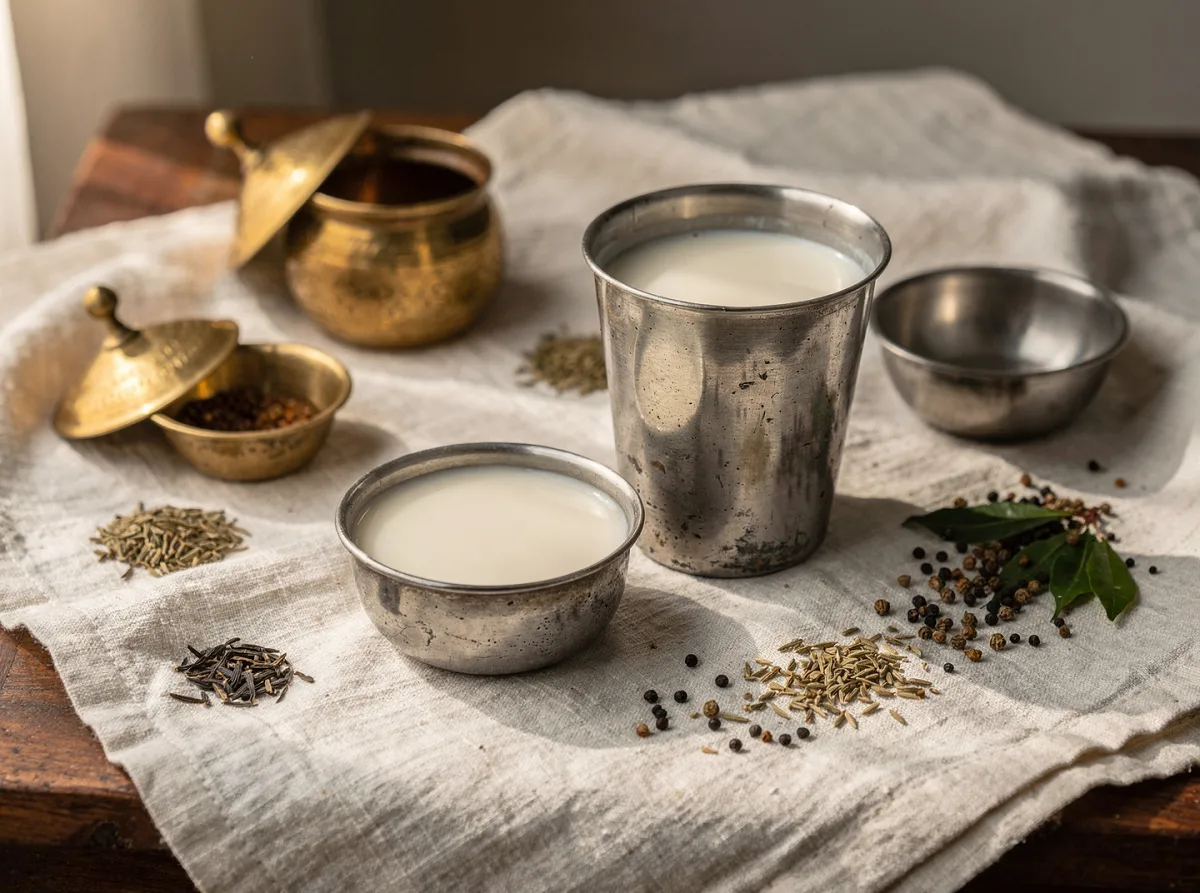
Cow milk is a nutrient-dense liquid secreted by dairy cattle, typically pale white to cream-coloured with a mild, slightly sweet taste. In India, it arrives fresh from the dairy, pasteurised in sealed packets, or sometimes boiled at home for safety. It is the foundation of Indian dairy culture - used whole for drinking, cooking, and fermentation into curd, paneer, ghee, and buttermilk. (IFCT 2017, Ref #L002)
Use in Indian Kitchen
Cow milk is indispensable across Indian regions. In the north, it is simmered into kheer (rice pudding), rabri (reduced milk dessert), and used to make paneer for curries and snacks. In the south, it features in payasam, filter coffee, and as the base for curd and buttermilk (chaas). Everyday uses include morning tea and chai, cooking dal and rice, and curdling into fresh paneer at home. A practical tip: boil milk gently and cool before making curd to ensure a smooth set; add a spoonful of previous curd as a starter culture for best results.
Key Nutrients
Cow milk is rich in calcium, phosphorus, and protein - essential for bone health and muscle maintenance. It also provides B vitamins (especially B12 and riboflavin), vitamin A, and lactose as a natural carbohydrate. Fat content varies by breed and feed; full-fat milk typically contains 3.5-4% fat and 3.2% protein. Exact nutrient composition is documented in IFCT 2017.
Health Benefits (Evidence-based)
- Supports bone and teeth strength due to high bioavailable calcium and phosphorus.
- Provides complete protein with all essential amino acids, aiding muscle repair and growth.
- Rich in vitamin B12, important for nerve function and red blood cell formation, especially for vegetarians.
- Contains lactose and natural sugars that provide steady energy for daily activities.
- Traditionally linked to cooling and nourishing properties in Ayurvedic wellness routines.
Culinary Uses (Vegetarian)
- Fresh drinking milk, morning and evening chai, filter coffee.
- Base for homemade curd (dahi), paneer, and ghee.
- Cooking medium for kheer, payasam, rabri, and milk-based desserts.
- Ingredient in gravies for paneer curries, korma, and creamy dal preparations.
- Churned into buttermilk (chaas) for summer drinks and cooking.
- Boiled and reduced for traditional sweets and condensed milk preparations.
Caution
- Lactose intolerance: some individuals cannot digest milk sugar; fermented forms (curd, paneer) are often better tolerated.
- Allergies: milk protein allergy is distinct from lactose intolerance and requires complete avoidance.
- Always boil milk in Indian homes to reduce microbial load, especially if sourced from informal dairies.
- Store in clean, airtight containers away from strong odours, which milk absorbs readily.
References
- Indian Council of Medical Research - National Institute of Nutrition (ICMR-NIN). Indian Food Composition Tables 2017 (IFCT 2017). Reference code L002 - Milk and Milk Products.
- Food Safety and Standards Authority of India (FSSAI). Milk and Milk Products Regulations and labelling guidelines for packaged milk sold in India.
Health Benefits
- Supports Bone Health
- Provides Energy
- Boosts Immunity
- Supports Growth
Sourcing & Storage
Storage
Store cow milk in a clean, airtight glass bottle or food-grade plastic container in the coldest part of your refrigerator (2-4°C). Keep away from direct sunlight and strong-smelling foods, as milk absorbs odours easily. If using milk from an informal dairy, boil it gently before storing. In Indian homes without reliable refrigeration, boil milk daily and store in a cool, dark place; consume within a few hours.
Shelf Life
Pasteurised packaged milk typically lasts 2-3 days after opening when refrigerated at 2-4°C; check the printed expiry date. Fresh milk from a dairy should be boiled and used within 1-2 days. Frozen milk can be stored for up to 3 months in an airtight container, though texture may change slightly upon thawing. Once boiled and cooled, milk should be consumed within 24 hours if left at room temperature.
Check Before You Buy
When buying packaged milk, check the expiry date and ensure the seal is intact and undamaged. Look for a clean, opaque white or cream colour - any yellowing or off-white tint may indicate age or poor storage. If buying from a dairy or mandi, observe the vendor's hygiene and ask if the milk has been boiled; smell it for any sour or off notes. Avoid milk that appears thin or watery, which may indicate adulteration with water. For packaged milk, prefer reputable brands with clear labelling of fat content (full-fat, toned, or double-toned) and pasteurisation details.
In Ayurveda
In classical Ayurveda, cow's milk (gai ka doodh) is considered one of the most nourishing and balancing foods. It is described as having a sweet (madhura) rasa, cool (sheeta) virya, and sweet post-digestive effect (vipaka). Cow's milk is traditionally believed to pacify Vata and Pitta doshas, making it beneficial for overall wellness and vitality.
Ayurvedic texts recommend warm cow's milk with a pinch of turmeric or ghee for better digestion and absorption. It is often used in classical formulations and as a vehicle (anupana) for herbal remedies. Drinking milk in the evening or before sleep is traditionally considered supportive for rest and rejuvenation.